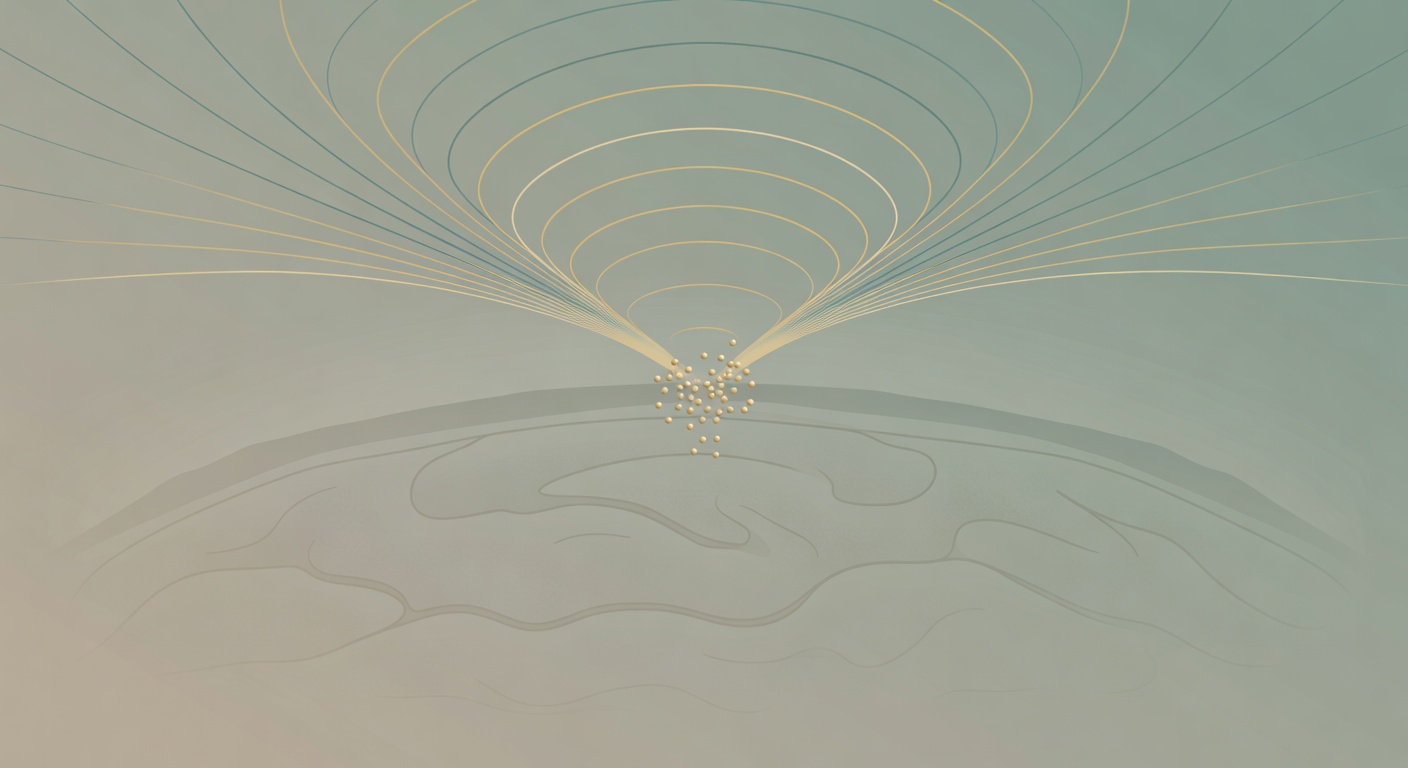
Social disconnection affects 16-25% of adults and creates a cortisol-oxytocin hormonal imbalance that directly damages cardiovascular health through multiple pathways. This hormonal disruption triggers autonomic nervous system dysfunction, alters gut microbiome composition, and disrupts nutritional processing—all converging on endothelial dysfunction that initiates cardiovascular disease progression. The mechanistic pathway represents a significant advancement in understanding how psychological states translate into physical pathology. This finding bridges decades of epidemiological evidence showing social isolation increases mortality risk with concrete biological mechanisms. The cortisol-oxytocin axis provides a targetable intervention point, potentially through oxytocin-enhancing therapies, social prescribing, or stress-reduction protocols. However, the narrative review format limits definitive conclusions about causation versus correlation. The clinical implications are substantial—routine screening for social disconnection could identify high-risk patients before cardiovascular symptoms appear. The multidisciplinary treatment approach suggested acknowledges that addressing loneliness requires more than medical intervention. This represents paradigm-shifting thinking that positions social health as equally important as traditional cardiovascular risk factors like cholesterol or blood pressure.
Social Isolation Triggers Cortisol-Oxytocin Imbalance Driving Cardiovascular Disease Risk

📄 Based on research published in Trends in cardiovascular medicine
Read the original paper →For informational, non-clinical use. Synthesized analysis of published research — may contain errors. Not medical advice. Consult original sources and your physician.