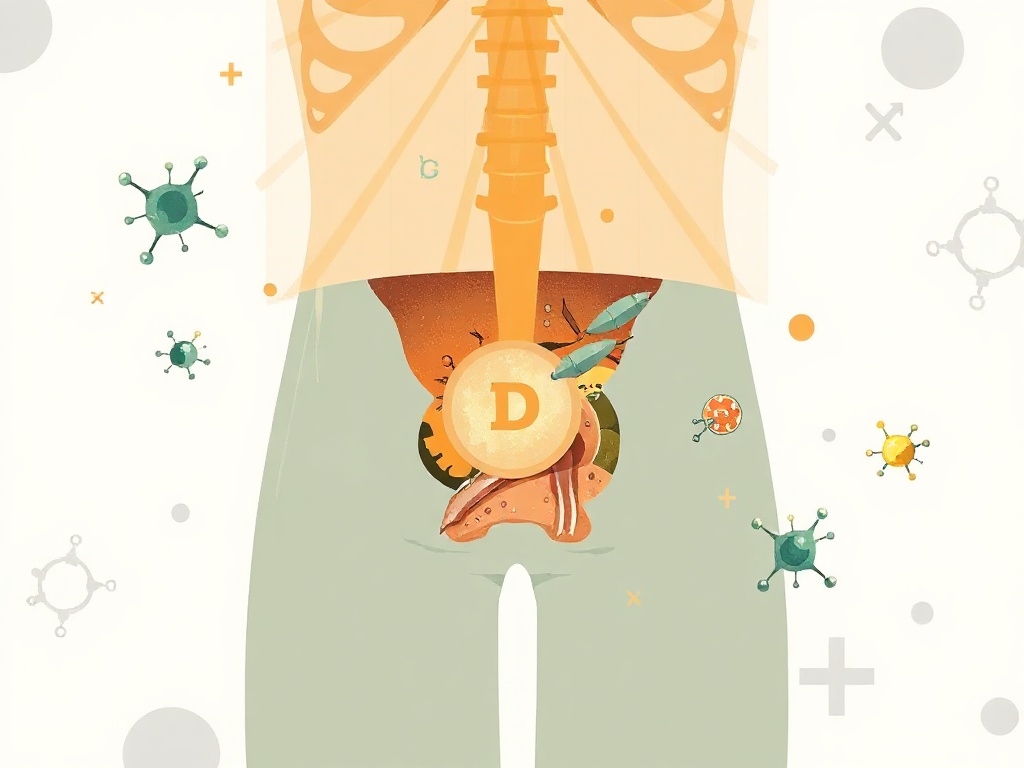
Gut microbes actively transform soy-derived compounds into bioactive molecules that influence host physiology, while soy consumption simultaneously reshapes the composition and activity of intestinal bacteria. This bidirectional relationship explains why soy's health benefits extend beyond its protein and fiber content to include microbiome-mediated effects on metabolism and disease prevention. The microbial conversion of soy isoflavones like genistein and daidzein into more potent metabolites represents a personalized nutrition paradigm where individual microbiome configurations determine therapeutic outcomes. This mechanism positions soy as both a prebiotic food source and a substrate for beneficial bacterial metabolism. The finding reinforces emerging understanding that food's health impact depends heavily on the microbial ecosystem processing it. However, the field suffers from methodological inconsistencies and lacks robust longitudinal intervention studies needed to establish causation. Individual microbiome variation also means soy benefits may be highly personalized, challenging one-size-fits-all dietary recommendations. This research direction could revolutionize how we approach plant-based nutrition, moving from simple nutrient analysis to understanding complex food-microbe-host interactions that determine actual health outcomes.
Gut Bacteria Transform Soy Compounds Into Bioactive Health-Promoting Molecules

Primary reference: European journal of nutrition · View source ↗
Informational, non-clinical synthesis informed by published research. Not a clinical guideline or medical advice. May contain errors or editorial interpretation. Consult the original source and your physician.