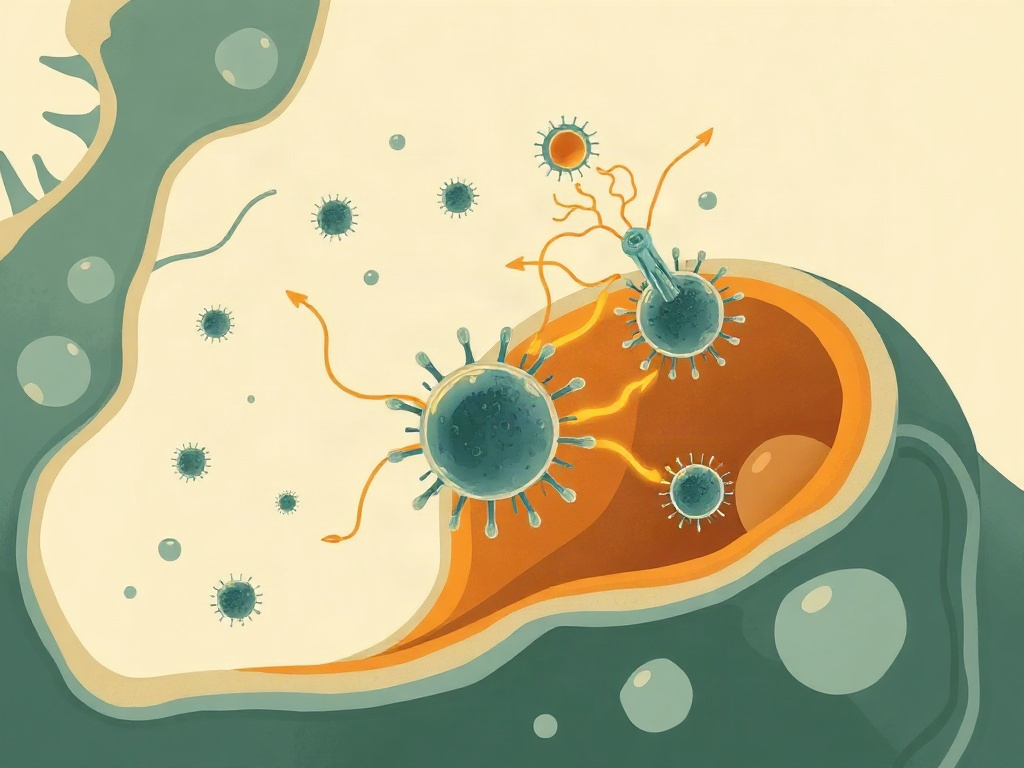
Scientists achieved cognitive restoration in aged and Alzheimer's disease mice by applying OSK transcription factor therapy specifically to engram neurons—the exact brain cells that store individual memories. The treatment reversed cellular aging markers, corrected disrupted gene expression patterns governing synaptic plasticity, and normalized the hyperexcitability characteristic of Alzheimer's pathology. Most remarkably, memory and learning performance returned to levels matching healthy young animals across multiple brain regions and behavioral tests. This represents a fundamentally different approach from current Alzheimer's treatments that target amyloid plaques or tau tangles. Instead of addressing downstream pathology, this strategy rejuvenates the cellular machinery of memory itself. The precision targeting of engram cells—rather than broad brain-wide interventions—suggests a path toward therapeutic reprogramming without the cancer risks associated with full cellular dedifferentiation. However, the translation from mouse models to human applications faces substantial hurdles. Engram identification in humans remains technically challenging, and the long-term safety of partial reprogramming in cognitive circuits is unknown. The work builds on Yamanaka factor research but represents the first demonstration that memory traces can be epigenetically reset while preserving their functional architecture.
Memory Cell Reprogramming Reverses Cognitive Decline in Alzheimer's Models

Primary reference: Neuron · View source ↗
Informational, non-clinical synthesis informed by published research. Not a clinical guideline or medical advice. May contain errors or editorial interpretation. Consult the original source and your physician.