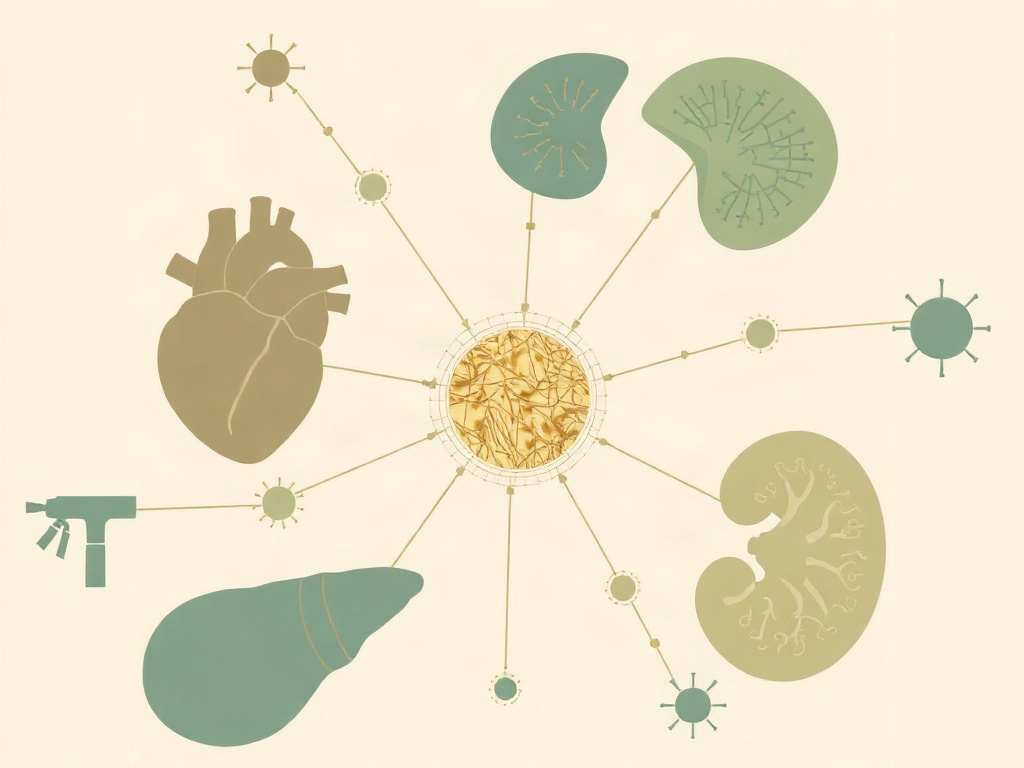
Nanoplastic particles—fragments smaller than 100 nanometers—appear to penetrate cellular barriers and activate inflammatory cascades that accelerate biological aging processes. These ultrafine polymer fragments can cross the blood-brain barrier and accumulate in vital organs, triggering chronic low-grade inflammation through pathways typically associated with age-related diseases. The inflammatory response to nanoplastics shares molecular signatures with inflammaging, the persistent immune activation that drives cellular senescence and tissue dysfunction. This connection suggests environmental plastic exposure may artificially accelerate the aging clock through mechanisms beyond traditional toxicity. While microplastics have dominated headlines, nanoplastics present a more insidious threat due to their ability to infiltrate subcellular compartments and disrupt fundamental cellular processes. The finding builds on emerging research linking environmental pollutants to premature aging, but represents a particularly concerning development given the ubiquity of plastic particles in food, water, and air. Current detection methods struggle to quantify nanoplastic exposure in humans, making it difficult to establish safe thresholds. For health-conscious adults, the research underscores the importance of minimizing plastic exposure through food storage choices and filtration systems, though complete avoidance remains virtually impossible in modern environments.
Nanoplastics Trigger Inflammatory Pathways Linked to Accelerated Cellular Aging

Primary reference: Buck Institute for Research on Aging · View source ↗
Informational, non-clinical synthesis informed by published research. Not a clinical guideline or medical advice. May contain errors or editorial interpretation. Consult the original source and your physician.