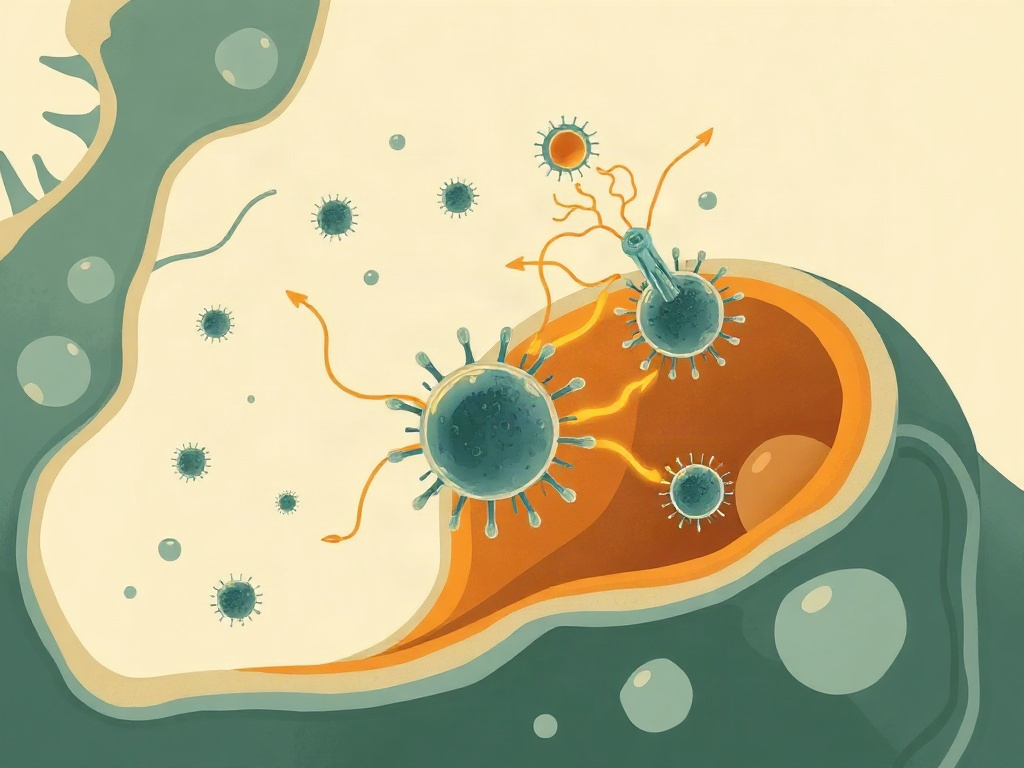
The Lithgow laboratory at Buck Institute has identified how misfolded proteins create cascading cellular dysfunction that accelerates aging processes. Their research reveals that protein aggregation doesn't occur in isolation but through interconnected networks that amplify damage across multiple cellular systems simultaneously. This systems-level approach demonstrates how individual misfolded proteins can trigger widespread cellular deterioration. The findings challenge the traditional view of protein misfolding as discrete, disease-specific events. Instead, they suggest a unified mechanism where accumulated protein damage creates self-reinforcing cycles of cellular stress that drive the aging process itself. This perspective has significant implications for therapeutic development, as it suggests that targeting protein quality control systems could address multiple age-related diseases simultaneously rather than treating them as separate conditions. The research builds on decades of work linking protein aggregation to neurodegenerative diseases like Alzheimer's and Parkinson's, but expands the scope to encompass aging as a fundamental biological process. However, the mechanistic details of how these protein networks interact remain incompletely understood, and translating these insights into effective interventions will require substantial additional research to identify the most critical control points in these complex systems.
Protein Misfolding Linked to Aging Through Shared 'Core Insoluble Proteome' in Worm Models

Primary reference: Buck Institute for Research on Aging · View source ↗
Informational, non-clinical synthesis informed by published research. Not a clinical guideline or medical advice. May contain errors or editorial interpretation. Consult the original source and your physician.