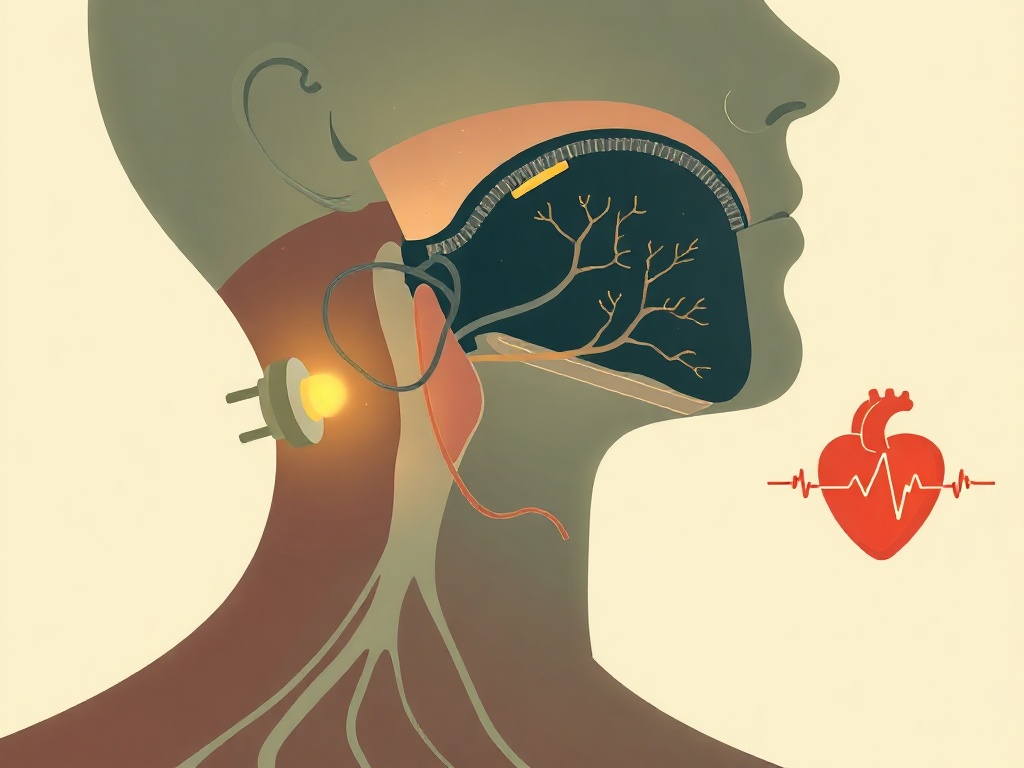
Leucovorin supplementation demonstrates therapeutic potential for autism spectrum disorders when underlying cerebral folate deficiency exists, despite normal blood folate levels. This condition occurs when folate transport across the blood-brain barrier becomes impaired, creating a localized deficiency that affects neurodevelopment and cognitive function. The finding represents a significant shift from viewing autism as purely genetic or environmental toward recognizing specific metabolic subtypes that respond to targeted interventions. This mechanistic understanding could explain why some children with autism show dramatic improvements with folate-related treatments while others see no benefit. The blood-brain barrier selectivity means standard folate testing misses these cases entirely, requiring cerebrospinal fluid analysis or clinical trial of leucovorin to identify candidates. Previous research has established folate's critical role in DNA methylation and neurotransmitter synthesis, making cerebral deficiency particularly damaging during brain development. While this represents a minority of autism cases, the subset identification offers hope for precision medicine approaches. The therapeutic window appears most effective in younger patients, suggesting early intervention protocols may need revision. This work bridges the gap between nutritional biochemistry and neurodevelopmental disorders, potentially opening new treatment pathways for other conditions involving blood-brain barrier transport dysfunction.
Leucovorin Shows Promise for Autism Linked to Brain Folate Transport Defects

Primary reference: New England Journal of Medicine · View source ↗
Informational, non-clinical synthesis informed by published research. Not a clinical guideline or medical advice. May contain errors or editorial interpretation. Consult the original source and your physician.