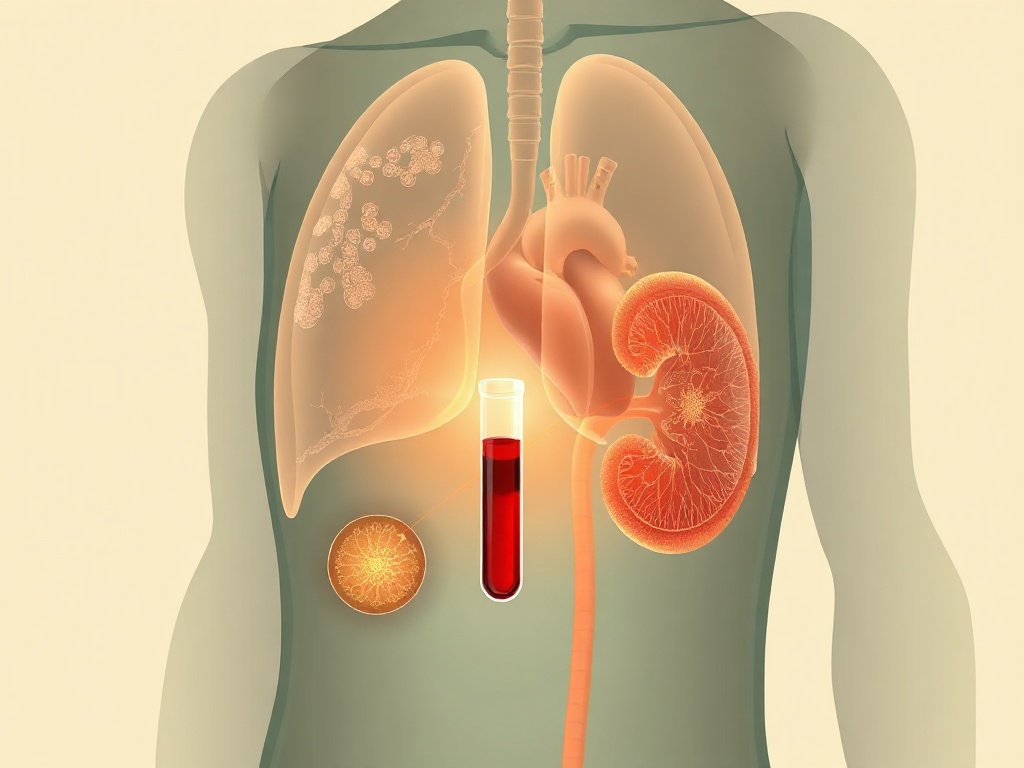
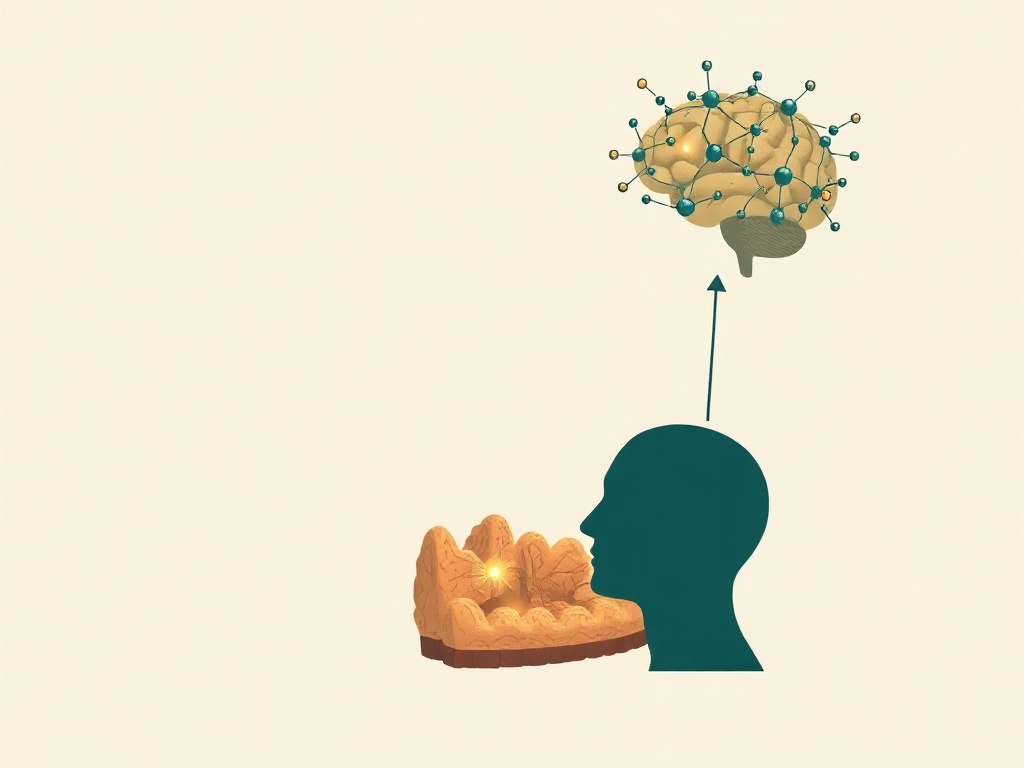
Exposure to environmental toxins creates heritable epigenetic changes that persist for approximately 500 years through germline transmission, potentially explaining unexplained chronic disease patterns in modern populations. The research demonstrates that a single toxic event can alter DNA methylation patterns and histone modifications that remain stable across multiple generations without direct re-exposure. This transgenerational inheritance mechanism operates independently of genetic mutations, instead relying on epigenetic marks that influence gene expression in descendants. The implications fundamentally challenge traditional disease models that focus primarily on immediate environmental factors and personal genetics. For health-conscious adults, this research suggests that unexplained chronic conditions may stem from ancestral exposures rather than current lifestyle factors alone. The finding helps explain why some individuals develop diseases despite optimal current health practices, and why certain populations show elevated disease susceptibility. However, the research also implies that positive interventions today could benefit descendants centuries into the future. While the specific toxins and disease mechanisms require further human validation, the work establishes epigenetic inheritance as a legitimate factor in personalized health assessment and family medical history evaluation.
Single Toxin Event Creates Disease Risk Across 20 Generations

Primary reference: Cell communication and signaling : CCS · View source ↗
Informational, non-clinical synthesis informed by published research. Not a clinical guideline or medical advice. May contain errors or editorial interpretation. Consult the original source and your physician.