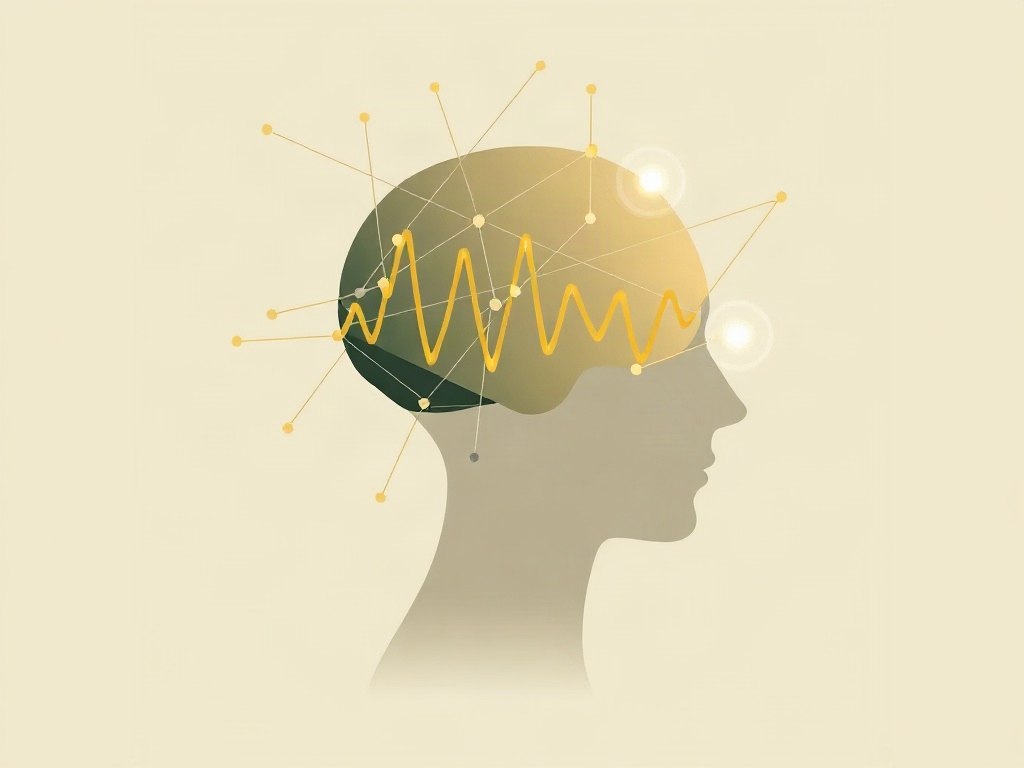
Cognitive neuroscience has identified distinct neural mechanisms that allow the brain to simultaneously maintain experiential flow while creating discrete memory episodes. The research reveals that specific cortical networks alternate between integration modes—preserving continuity of experience—and segmentation modes that mark event boundaries for memory encoding. This dual-processing system operates through predictive coding mechanisms in the prefrontal cortex and hippocampus, with neural oscillations serving as the switching signal between states. The findings illuminate a fundamental paradox in human cognition: how we experience life as both seamless and episodic. This research builds on decades of event segmentation theory but provides the first clear neural substrate for the continuity-discreteness balance. For cognitive health and aging research, understanding these mechanisms could prove crucial. Age-related decline in event segmentation has been linked to memory problems and disorientation. The research suggests that maintaining healthy neural oscillations—through practices like meditation, regular sleep, or cognitive training—might preserve both experiential continuity and sharp episodic memory formation. This dual-mode processing may also explain why some therapeutic approaches work better when they address both narrative coherence and specific traumatic events.
Neural Networks Toggle Between Continuous Processing and Event Boundaries

Primary reference: Nature human behaviour · View source ↗
Informational, non-clinical synthesis informed by published research. Not a clinical guideline or medical advice. May contain errors or editorial interpretation. Consult the original source and your physician.