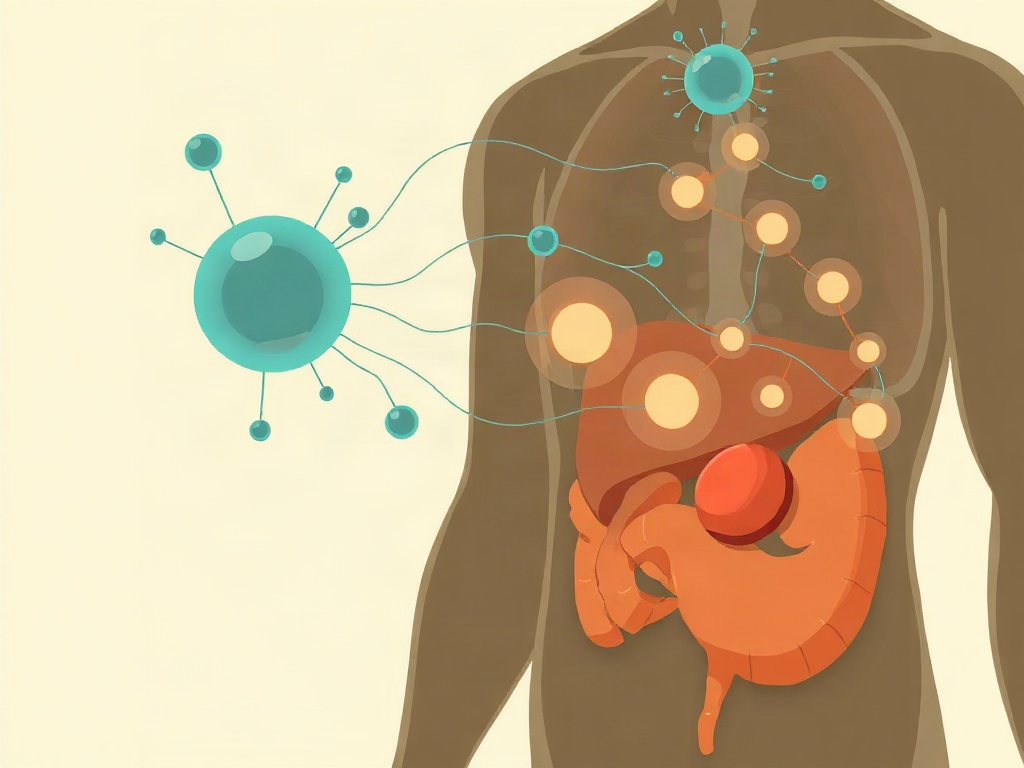
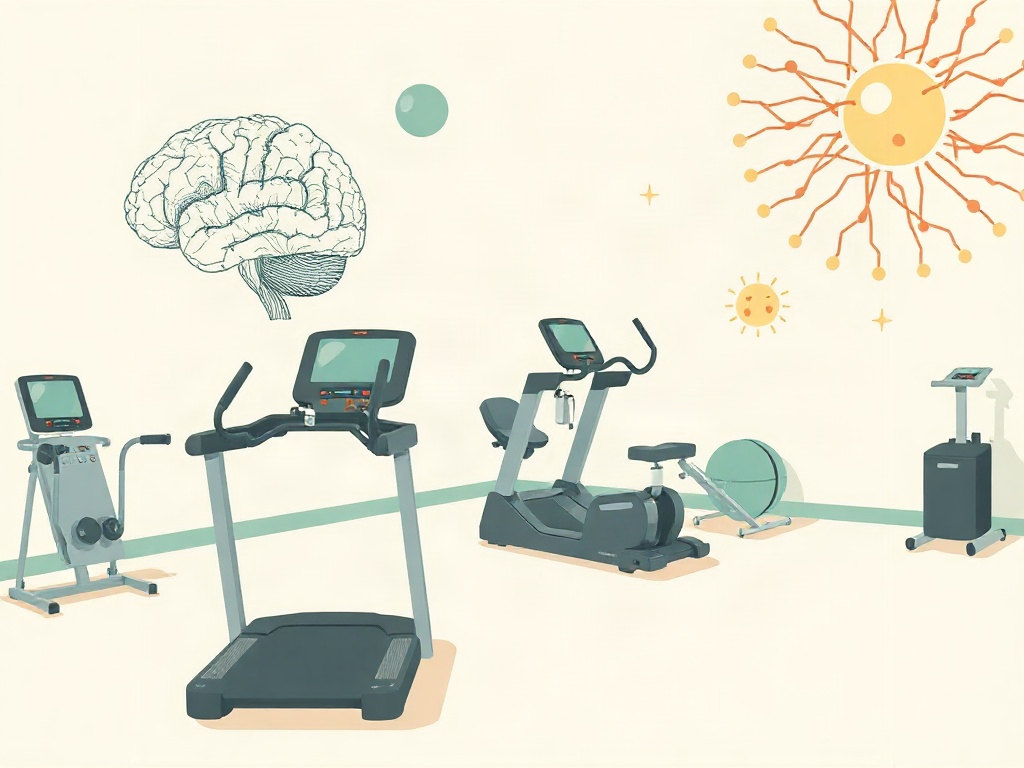
A new framework emerges positioning sports medicine as a systems integrator rather than primarily an injury treatment specialty. The discipline now encompasses musculoskeletal health alongside metabolic, neurological, and psychosocial factors that influence athletic performance and population health outcomes. This expanded scope reflects growing recognition that exercise medicine interventions affect multiple biological pathways simultaneously, from inflammatory cascades to neuroplasticity mechanisms. The paradigm shift has profound implications for how clinicians approach both elite athletes and sedentary populations seeking health improvements. Rather than compartmentalizing treatment by body system, practitioners increasingly view physical activity as a polypill affecting cardiovascular health, cognitive function, immune regulation, and metabolic efficiency concurrently. This holistic approach could accelerate translation of sports science findings into broader public health applications. However, the complexity also demands new competency frameworks and interdisciplinary training models. The evolution positions sports medicine as a bridge between high-performance athletics and preventive medicine, potentially transforming how we conceptualize exercise prescription for healthy aging and chronic disease prevention.
Sports Medicine Must Integrate Complex Systems Beyond Traditional Injury Focus

Primary reference: British Journal of Sports Medicine · View source ↗
Informational, non-clinical synthesis informed by published research. Not a clinical guideline or medical advice. May contain errors or editorial interpretation. Consult the original source and your physician.