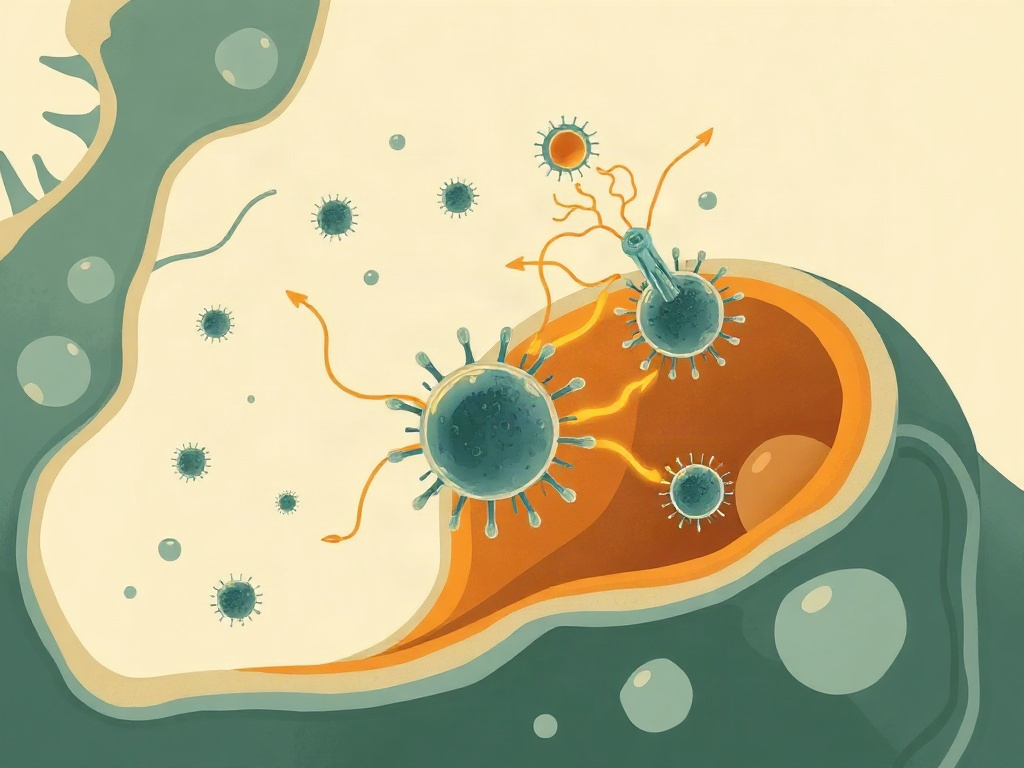
NIA researchers created a novel mouse model that captures the cascade of inflammatory processes underlying simultaneous deterioration across multiple organ systems during aging. The model illuminates specific inflammatory mediators that coordinate tissue damage between organs, moving beyond traditional single-organ aging studies. This advancement represents a significant methodological leap for longevity research, as most existing models focus on isolated age-related pathologies rather than the interconnected decline that characterizes human aging. The inflammation-centric approach aligns with the growing recognition that chronic low-grade inflammation—termed "inflammaging"—serves as a master regulator of biological aging across species. For translational medicine, this model could accelerate screening of anti-inflammatory interventions targeting multiple aging hallmarks simultaneously. However, the challenge remains translating mouse inflammation patterns to human aging, given species differences in immune system architecture and lifespan. The model's value will ultimately depend on whether inflammatory targets identified in mice prove therapeutically relevant for extending human healthspan across organ systems.
New Mouse Model Maps Inflammation Pathways Driving Multi-Organ Aging Decline

Primary reference: National Institute on Aging · View source ↗
Informational, non-clinical synthesis informed by published research. Not a clinical guideline or medical advice. May contain errors or editorial interpretation. Consult the original source and your physician.