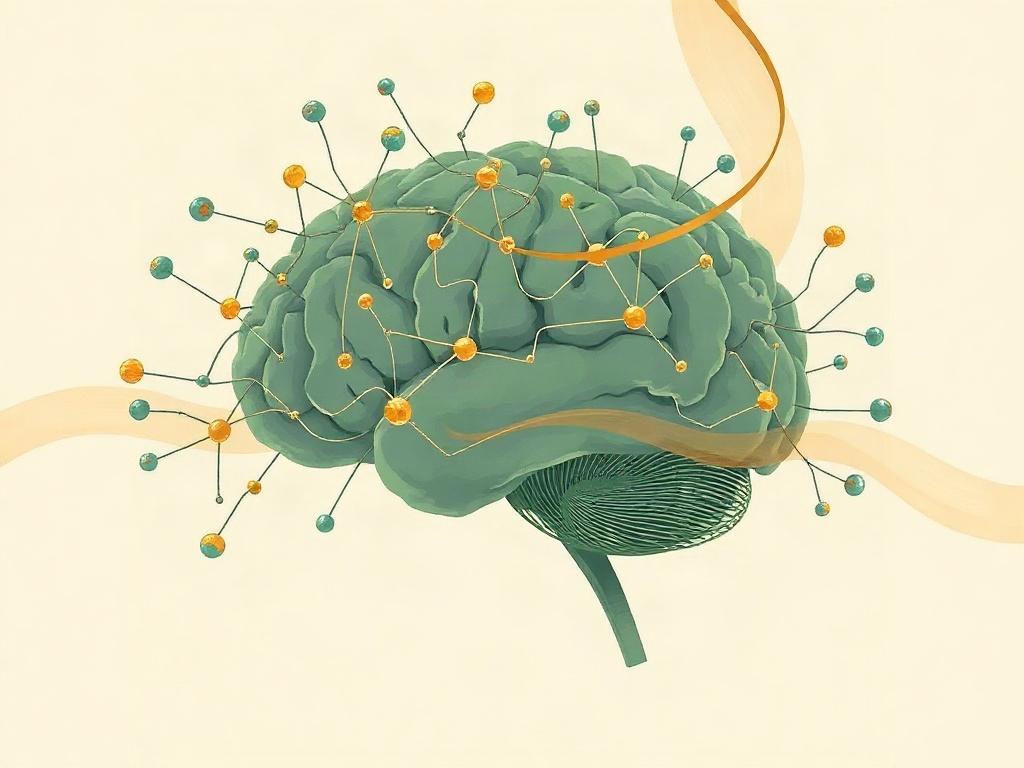
For anyone tracking longevity interventions, grip strength has long been treated as a reliable proxy for biological age — but a new conceptual analysis reveals that assumption may be dangerously incomplete, particularly as gene therapies begin entering human use. If a therapy can add muscle mass without restoring functional strength, using grip as a success metric could mask therapeutic failure or even harm.
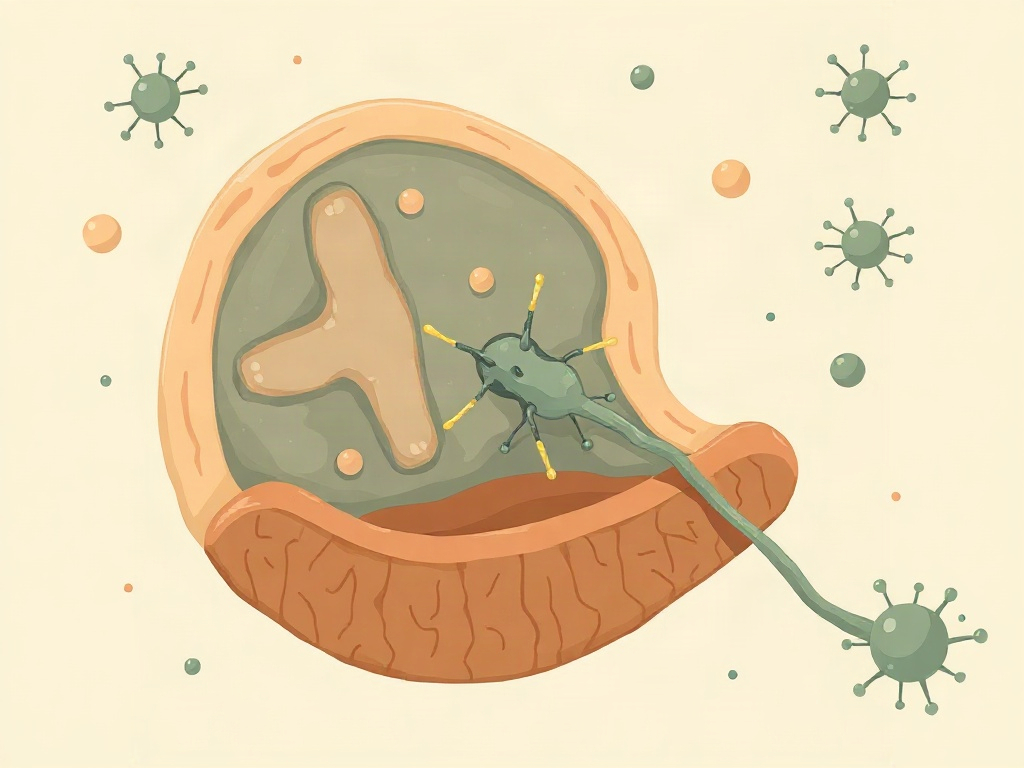
The analysis, published in Frontiers in Aging, centers on a striking physiological disparity: age-related strength declines at roughly 2.5–4% annually, while muscle mass falls at only 0.6–1% per year — a two-to-fivefold gap. The authors attribute this divergence primarily to deterioration of the neuromuscular junction (NMJ), the synaptic interface between motor neurons and muscle fibers. When NMJ integrity is compromised, muscle tissue becomes effectively denervated — still present, but unable to generate coordinated force. The analysis then applies this framework to eight longevity-relevant gene therapies currently in early translational or compassionate-use settings: follistatin, klotho, FOXO3, hTERT, SIRT1, PGC-1α, VEGF, and FGF21. The authors argue that follistatin, a potent inducer of muscle hypertrophy, presents a specific paradox — it can drive measurable mass gains even in denervated fibers, yet those fibers cannot contribute meaningfully to grip force. The result is "biomarker decoupling": grip strength and lean mass diverge, and grip can no longer serve as a reliable readout of systemic biological improvement.
This framework carries significant implications for longevity research methodology. The field has increasingly relied on grip dynamometry as a low-cost, scalable outcome measure, but this analysis suggests grip's predictive validity depends on the NMJ remaining the true bottleneck — an assumption that anabolic gene therapies may systematically violate. The paper is conceptual rather than empirical, with no new trial data, but its mechanistic logic is grounded in well-established neuromuscular physiology. As gene therapy moves from animal models into human aging trials, the need for composite functional assessments — gait speed, chair-stand tests, electromyography — alongside mass measures becomes more urgent. This is an important methodological caution for early-stage longevity science.