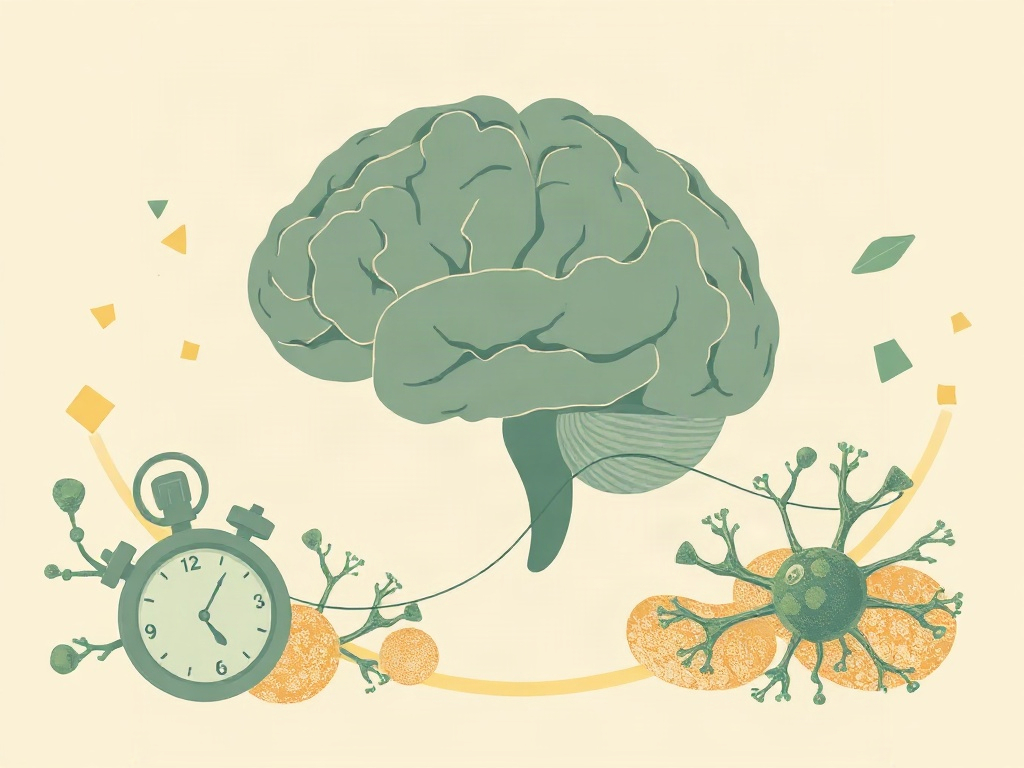
Understanding what makes aging cells dysfunctional has long been dominated by genomics — what genes are expressed, silenced, or mutated. But a growing body of evidence suggests this molecular lens misses a critical layer of biology: the profound biochemical remodeling that accompanies cellular senescence, independent of transcriptional changes. A technology capable of reading that chemical layer could reshape both how scientists detect senescent cells and how therapies targeting them are developed.
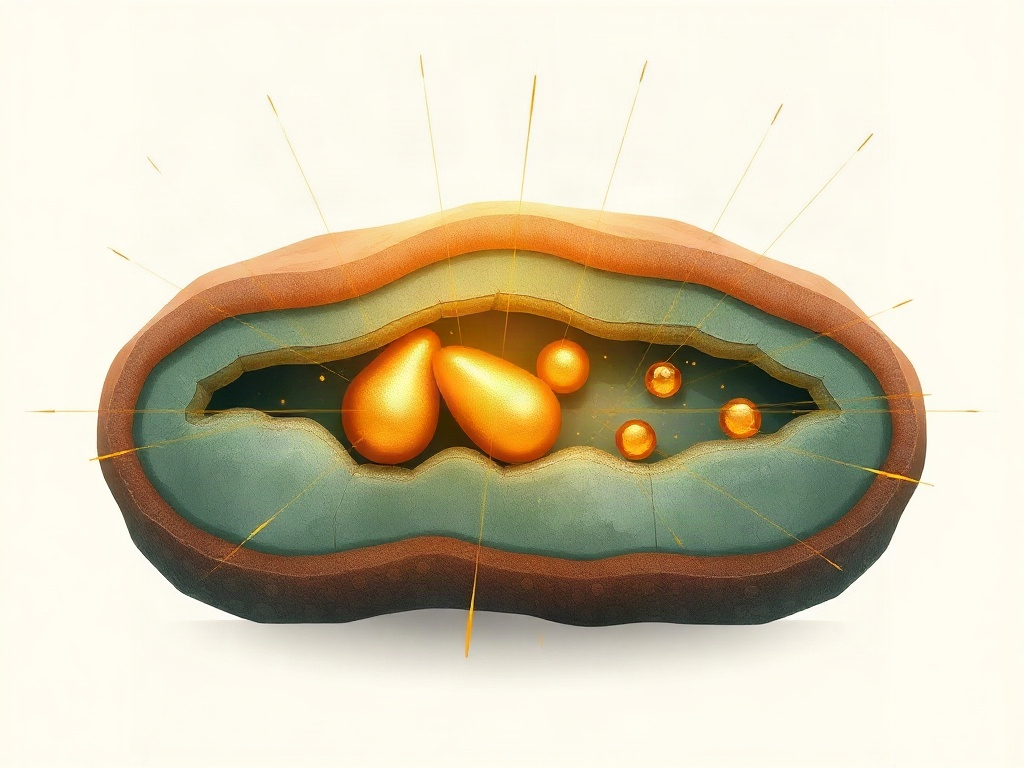
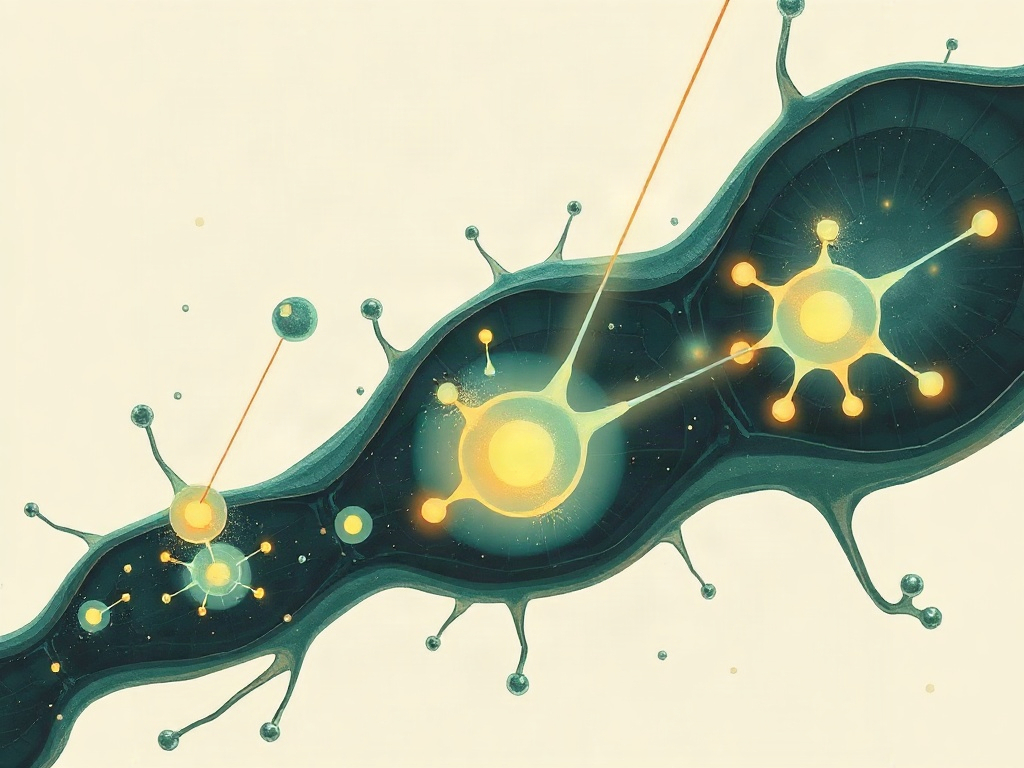
Published in Nature Aging, the work by Zhang and colleagues introduces RamanOmics — a multimodal platform that integrates Raman spectroscopy-based chemical imaging with spatial transcriptomics. Raman spectroscopy identifies molecular compositions by measuring how laser light scatters off chemical bonds, producing detailed fingerprints of lipids, proteins, nucleic acids, and metabolites within individual cells. By spatially co-registering this biochemical data with gene-expression maps, RamanOmics creates a dual-resolution portrait of senescent cells — revealing metabolic and structural changes that transcriptomics alone cannot capture.
This approach represents a genuinely meaningful methodological advance in senescence research. The field has historically relied on markers like p21, p16, and beta-galactosidase activity to identify senescent cells, but these markers are imperfect and context-dependent. The ability to characterize senescence through intrinsic chemical signatures — without relying on antibodies or staining protocols — could yield more reliable, tissue-agnostic detection. From a longevity science perspective, this matters because senolytics and senomorphics (therapies designed to clear or neutralize senescent cells) require precise cellular targeting; poor identification leads to off-target effects. The major limitation at this stage is that RamanOmics is a characterization platform, not yet a clinical diagnostic tool. Its throughput and applicability in complex human tissue remain to be demonstrated. Still, as a discovery-phase instrument for mapping the full molecular phenotype of senescence, this is a potentially paradigm-expanding contribution.