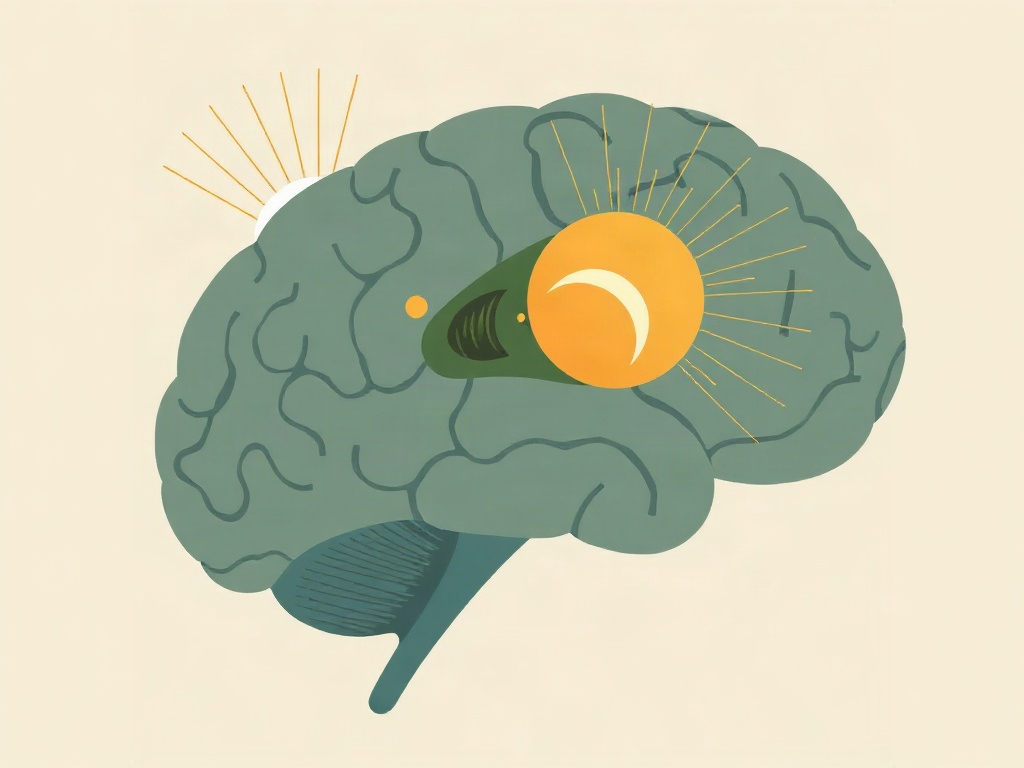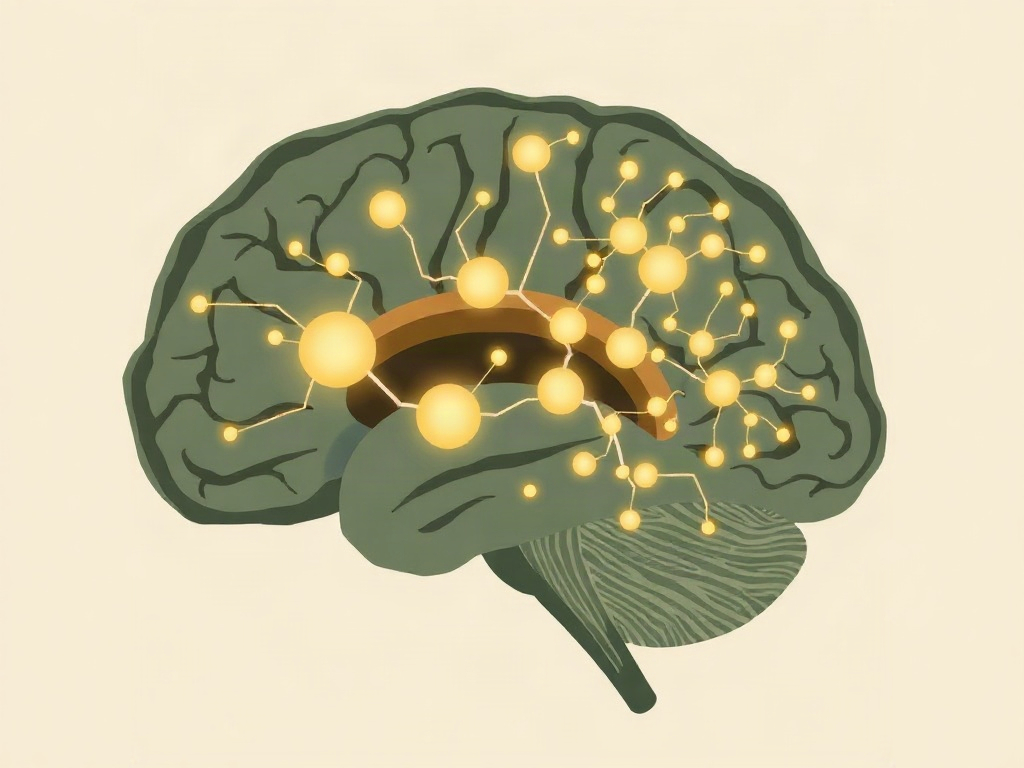
How the brain's emotional and cognitive circuits wire themselves across the first two decades of life has profound implications for understanding who remains resilient — and who becomes vulnerable — when early hardship strikes. A detailed developmental map of these circuits could reframe how clinicians identify risk windows and when interventions are most likely to take hold.
Published in PNAS, this study tracked the maturation of frontolimbic functional connectivity — specifically fronto-hippocampal and fronto-amygdala pathways — from birth through early adulthood. Using longitudinal neuroimaging, researchers characterized how these circuits differentiate over time, meaning they become increasingly specialized and segregated rather than broadly co-active. Critically, the pace and pattern of this differentiation were associated with both lifetime adversity exposure and performance on cognitive tasks, suggesting the developmental trajectory itself — not just a static snapshot — carries meaningful predictive weight. Variable connectivity growth across individuals emerged as a defining feature, underscoring that no single "normal" maturational curve applies uniformly.
Frontolimbic maturation has long been implicated in stress reactivity, memory consolidation, and emotional regulation, but precise longitudinal characterization from infancy has been technically and logistically difficult. This study's birth-to-adulthood scope is methodologically ambitious and rare. From a broader landscape perspective, it converges with prior work showing that the amygdala-prefrontal axis is exquisitely sensitive to glucocorticoid exposure during sensitive periods, and that hippocampal volume reductions in adversity-exposed children are among the most replicated findings in developmental neuroscience. What advances here is granularity: connectivity differentiation as a dynamic process, not just an endpoint. The primary limitation is that observational, longitudinal neuroimaging studies struggle to disentangle genetic predispositions from environmentally-driven plasticity. Nevertheless, this work is more than incremental — mapping the full developmental arc provides a reference framework against which future intervention studies can benchmark change, making it a potentially foundational contribution to developmental cognitive neuroscience.