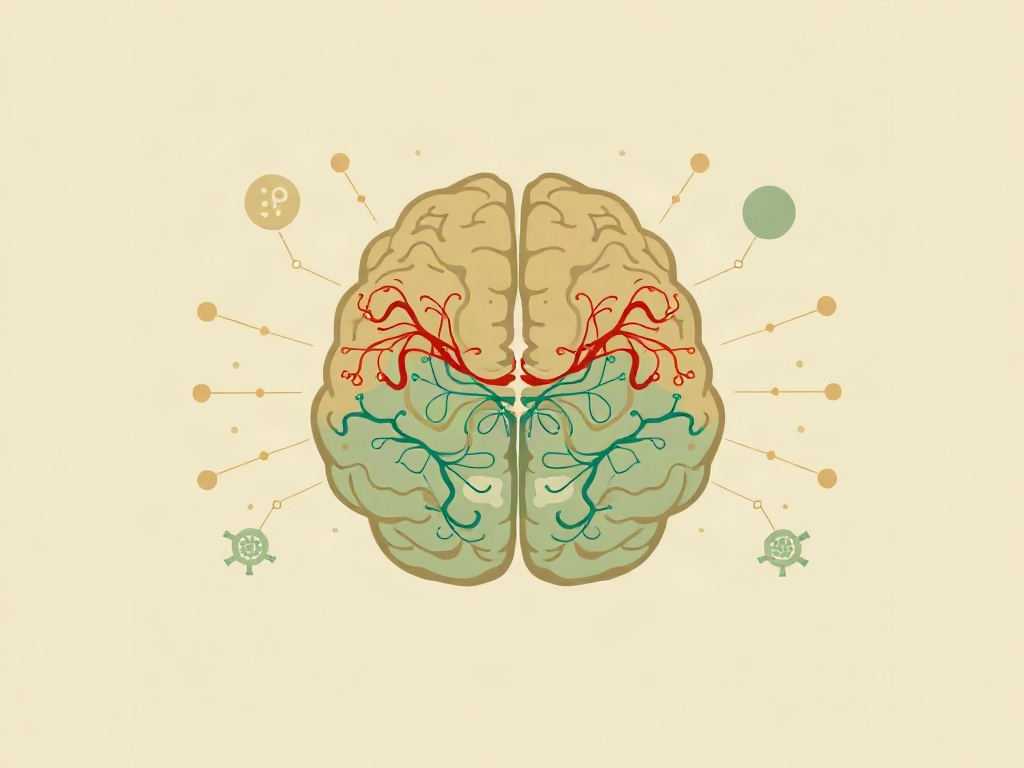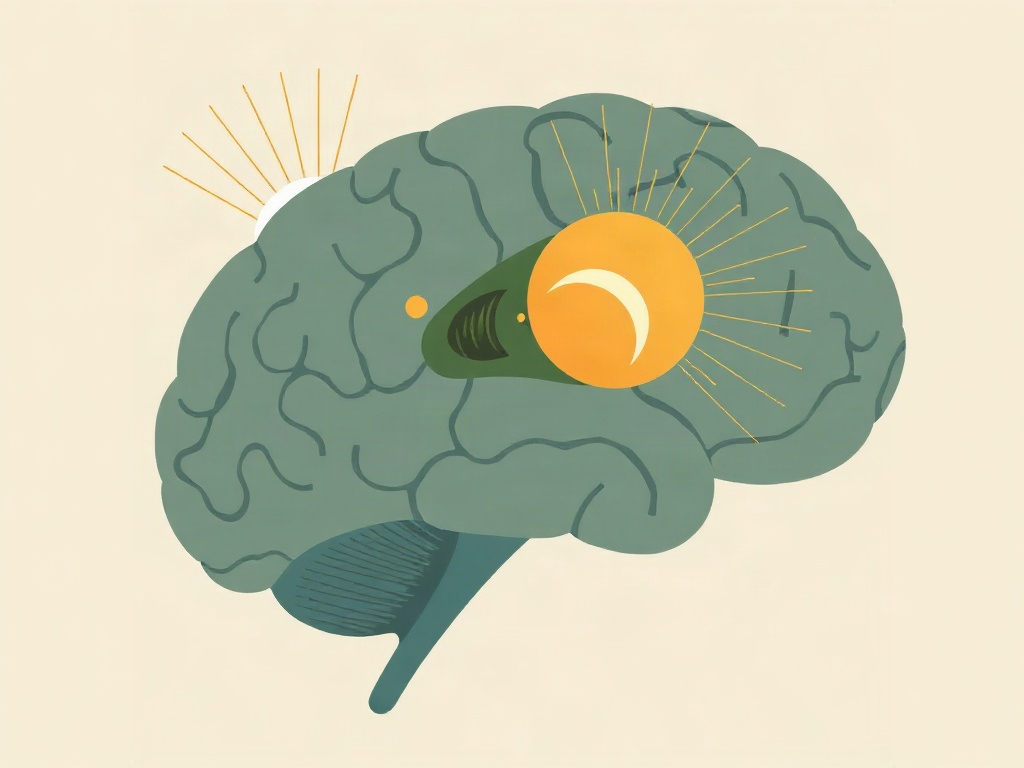
Understanding why the brain loses control of the boundary between waking and sleep has implications far beyond a rare disorder — it reshapes how scientists think about sleep regulation in everyone. The convergent discovery at the heart of narcolepsy research offers one of modern neuroscience's most instructive case studies in how independent lines of investigation can confirm a fundamental biological mechanism.
Published in PNAS, this review recounts how Emmanuel Mignot and Masashi Yanagisawa, working from entirely different experimental vantages, independently identified the loss of hypocretin (orexin) signaling as the central pathogenic mechanism in narcolepsy type 1. Mignot's approach traced an autoimmune destruction of hypocretin-producing neurons in the lateral hypothalamus, while Yanagisawa's genetic work in animal models demonstrated that deletion of the orexin peptide or its receptors recapitulates the full narcoleptic phenotype — including cataplexy, fragmented sleep architecture, and sudden REM intrusions into wakefulness. The convergence across immunological, genetic, and neuropathological methodologies established hypocretin deficiency as causative, not merely correlative.
The significance of this dual-path confirmation extends well beyond narcolepsy. Hypocretin neurons act as a master stabilizer of sleep-wake state boundaries; their loss creates the instability that produces sleep attacks and cataplexy. This mechanism is now informing therapeutic development across the sleep disorder spectrum — orexin receptor antagonists like suvorexant are already approved for insomnia, reversing the logic: if absent orexin destabilizes wakefulness, blocking orexin in intact brains promotes sleep. The narcolepsy model thus seeded an entirely new pharmacological class. Key limitations remain: most mechanistic work was conducted in rodent models, and the precise autoimmune trigger in humans — likely involving HLA-DQB1*06:02 and environmental factors such as influenza exposure — remains incompletely characterized. This is confirmatory science elevated to paradigm-clarifying status, illustrating how rare disease research can unlock fundamental neurobiology with broad therapeutic returns.