For decades, the proteome of the aging brain has been charted with a blind spot: proteins smaller than roughly 100 amino acids were systematically excluded from reference databases, leaving an entire functional layer of biology unmapped. A new atlas published in Nature Aging addresses that gap directly, with implications for how researchers understand neurodegeneration and the cellular energy systems that sustain cognitive health into old age.
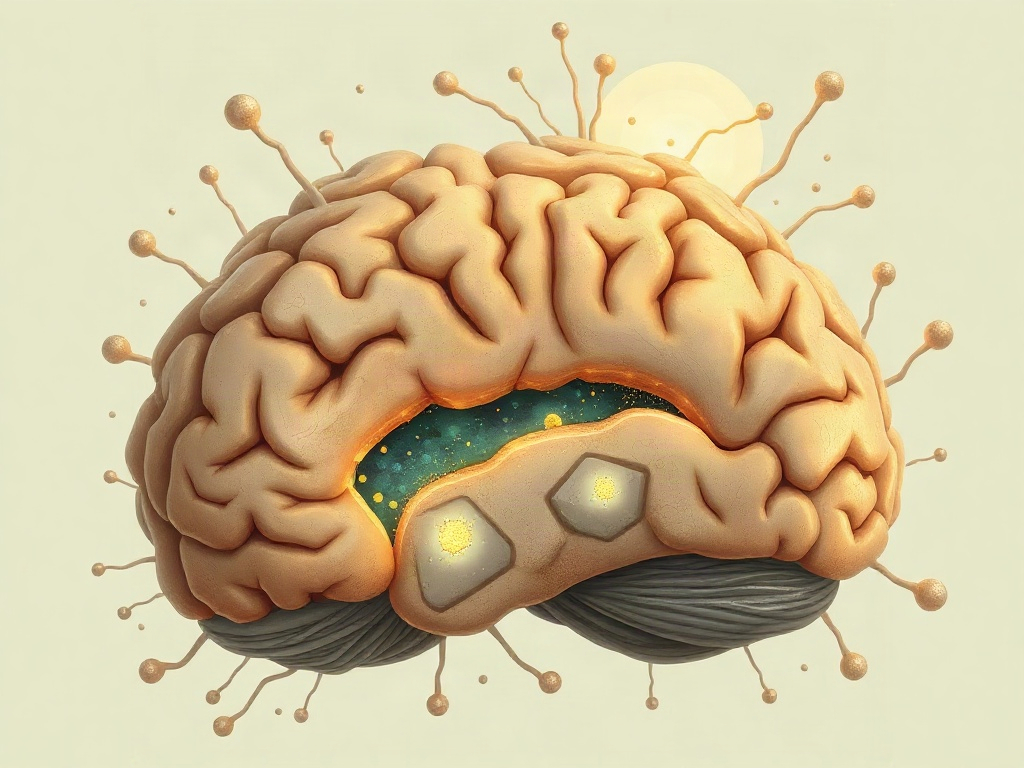
Using large-scale mass spectrometry and computational proteogenomics applied to aged human brain tissue, the research team catalogued more than 1,000 high-confidence microproteins — defined here as peptides of 100–150 amino acids — that were absent from standard reference proteomes. Among the most consequential findings: a microprotein encoded by the MKKS gene is significantly reduced in brain tissue from individuals with Alzheimer's disease. Crucially, this MKKS-derived microprotein appears to regulate mitochondrial energy production specifically within microglia, the brain's resident immune cells, pointing to a previously unappreciated metabolic mechanism in neuroinflammation.
This work sits at the intersection of two accelerating research fronts: the emerging biology of microproteins (sometimes called micropeptides or sORF-encoded peptides), and the growing recognition that microglial metabolic dysfunction is a central — not merely secondary — feature of Alzheimer's pathology. Prior animal studies have linked mitochondrial impairment in microglia to neuroinflammatory cascades and amyloid clearance failure, but a specific human-brain microprotein regulator had not been identified. The atlas format also means the dataset becomes a resource for the field, enabling hypothesis generation well beyond the MKKS finding. Key limitations include the cross-sectional nature of tissue sampling and the challenge of establishing causal direction — whether reduced MKKS microprotein expression drives Alzheimer's progression or results from it. Nonetheless, this is a genuinely paradigm-shifting contribution: it expands the functional proteome of the human brain and provides a new molecular candidate for mechanistic and therapeutic investigation in neurodegeneration.