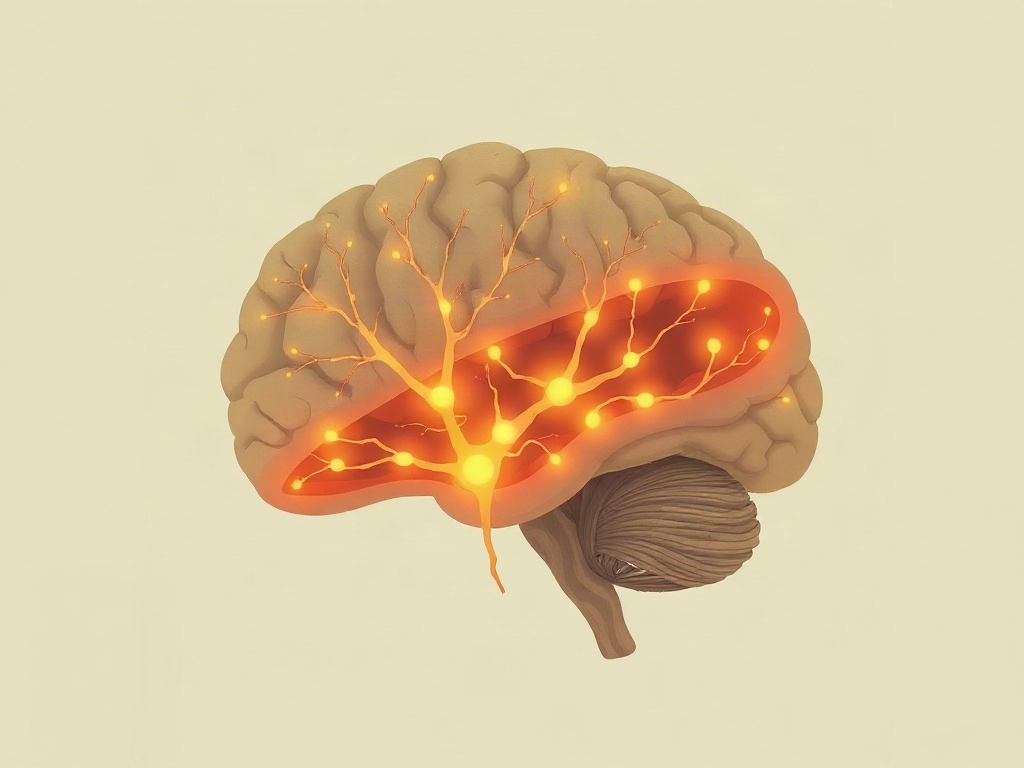
Understanding why antidepressants work for some people but fail others has been a persistent clinical puzzle — and new molecular evidence from the hippocampus may finally be reframing the entire question. Rather than treating major depressive disorder (MDD) as a single biochemical deficit, a large-scale multimodal analysis suggests it is better understood as a convergence of disrupted biological processes centered on a specific failure point: stalled neurogenesis in the adult human hippocampus.
Published in Nature Medicine, this research conducted a comprehensive molecular characterization of the adult human hippocampus, simultaneously mapping genetic, epigenetic, immune, metabolic, synaptic, and stress-related mechanisms at cellular and circuit resolution. The central finding is that neurogenesis — the birth of new neurons — does continue in the adult human hippocampus, but in individuals with MDD this process becomes arrested. The study identifies discrete cell-type-specific and circuit-specific disruptions that collectively impair hippocampal plasticity, laying out a mechanistic architecture for what goes wrong and where.
This work matters because it challenges the long-dominant monoamine hypothesis of depression — the idea that serotonin or norepinephrine imbalance is the primary driver — by positioning hippocampal neurogenic failure and multi-system dysregulation as the more precise target. The granularity here is notable: distinguishing genetic from epigenetic contributions at single-cell resolution is a significant methodological advance over prior bulk-tissue transcriptomic studies. However, several caveats deserve weight. Post-mortem brain studies cannot establish causality — it remains unclear whether these molecular signatures precede MDD onset or are consequences of chronic illness or medication. The cohort characteristics and sample sizes also matter enormously in neuropathology work and are not detailed in the excerpt. If the neurogenic framework holds up in prospective studies, it could accelerate development of genuinely mechanism-targeted therapeutics and enable biological subtyping that moves psychiatry closer to precision medicine. This qualifies as potentially paradigm-shifting rather than merely incremental.