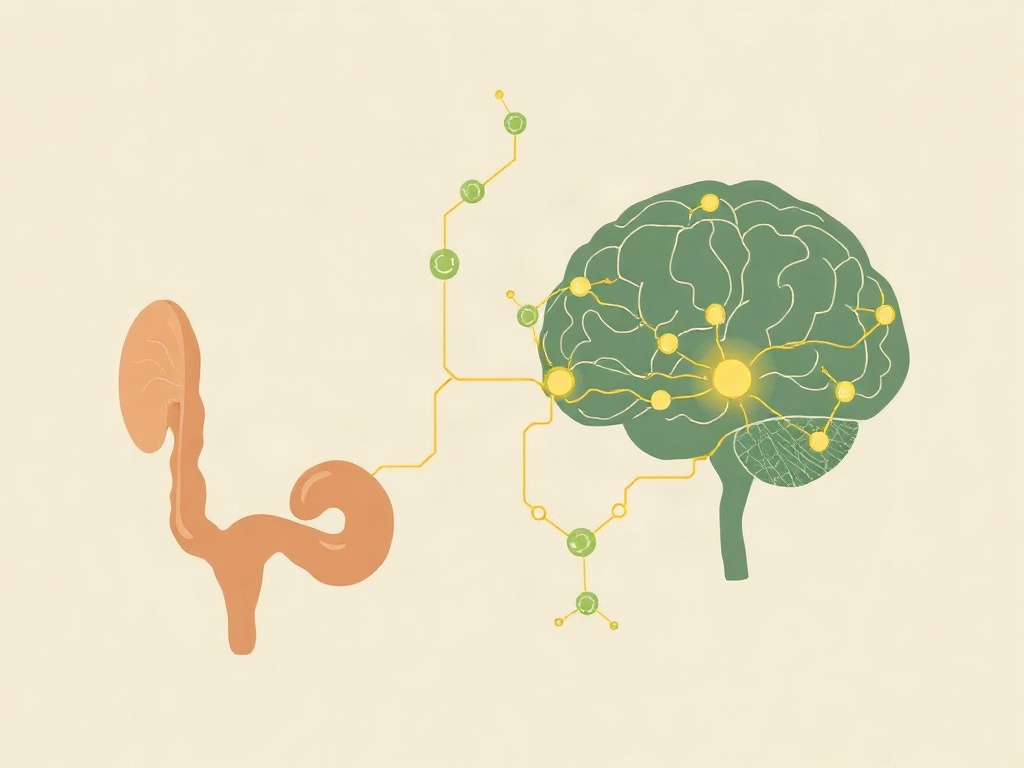
The assumption that gut-brain communication is largely an animal-model phenomenon has long frustrated translational psychiatry. New human imaging data now suggest that the microbial metabolic machinery living in the gut is meaningfully associated with the precise neurochemical ratios that govern anxiety, mood, and cognitive flexibility — findings with real implications for how clinicians might one day approach mental health intervention.
Researchers recruited healthy young women and combined proton magnetic resonance spectroscopy (¹H-MRS) with deep metagenomic sequencing to measure, simultaneously, brain neurotransmitter concentrations and the functional genomic potential of the gut microbiome. GABA and glutamate levels were quantified across three cortical regions: the dorsolateral prefrontal cortex, the anterior cingulate cortex, and the inferior occipital gyrus. Microbial pathways for synthesizing and degrading GABA, glutamate, short-chain fatty acids (SCFAs), p-cresol, and inositol each showed region-specific associations with cortical excitatory/inhibitory (E/I) balance. Inositol synthesis and glutamate degradation capacity were notably linked to E/I balance in the occipital region, while GABA metabolism and SCFA pathways showed distinct prefrontal and cingulate associations. Anxiety scores, depressive symptoms, and sleep quality showed exploratory correlations with microbial functional potential.
This study stands out methodologically because it uses functional metagenomic profiling rather than simple microbial composition, targeting what the microbiome is capable of doing biochemically rather than merely cataloguing which species are present — a meaningful upgrade over most prior gut-brain work. However, the all-female, young, healthy cohort is a significant constraint: whether these associations replicate in males, older adults, or clinical populations is entirely unknown. The cross-sectional design precludes any causal inference; microbial pathways and brain chemistry may co-vary without one driving the other. Effect sizes and sample size details warrant scrutiny before this moves toward clinical translation. Nonetheless, the region-specific patterning suggests biological specificity rather than statistical noise, making this a genuinely incremental advance that meaningfully bridges preclinical gut-brain mechanistic research and human neuroimaging.