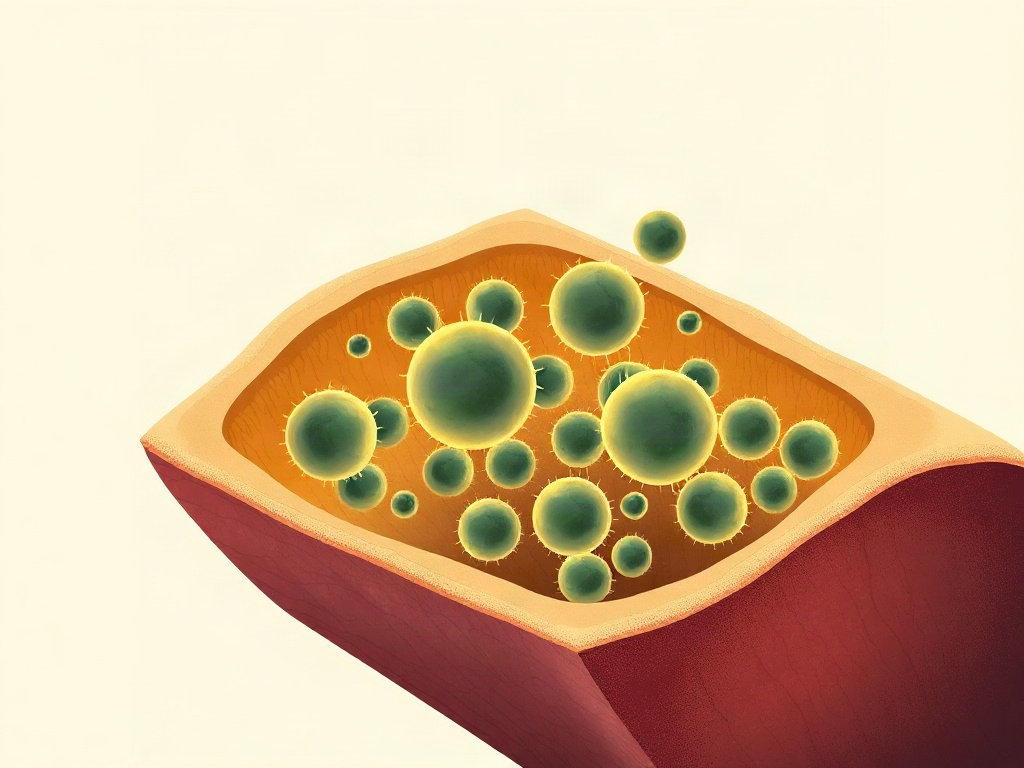
Clonal haematopoiesis — the silent accumulation of blood stem cells carrying somatic mutations — affects roughly half of adults over 70 and is one of the strongest known risk factors for blood cancers and cardiovascular disease. Until now, most research has focused on the mutant cells themselves. This work redirects attention to the neighbourhood those cells create, revealing that the bone marrow microenvironment is not a passive bystander but an active co-conspirator in early cancer progression.
Using single-cell RNA sequencing in a DNMT3A-mutant mouse model — one of the most common CH driver mutations in humans — researchers identified that mesenchymal stromal cells (MSCs) within the bone marrow adopt a senescent molecular state. Critically, this senescence is not coincidental aging: mutant haematopoietic cells actively induce it through secreted factors, principally TNF-α and IL-6, without requiring direct cell contact. These cytokines trigger a STAT3-dependent transcriptional programme that locks MSCs into senescence. The same MSC senescence signature was confirmed in human bone marrow samples from individuals carrying several distinct CH-associated mutations, strengthening translational relevance. Clearing senescent non-haematopoietic cells — either genetically or with senolytic pharmacology — reduced clonal burden and delayed progression toward overt myeloid neoplasia in the model.
This study is genuinely significant for several reasons. It establishes a bidirectional feedback loop: mutant clones remodel their niche, and the remodelled niche amplifies clonal fitness — a self-reinforcing cycle that likely accelerates malignant transformation. The STAT3 axis is already a well-validated drug target, and senolytic compounds such as navitoclax and dasatinib-quercetin are in active clinical trials. Whether clearing senescent MSCs in humans with CH would alter cancer incidence remains unproven, and the mouse model cannot fully recapitulate human bone marrow aging. Nonetheless, framing CH interception as a niche-disruption strategy rather than purely targeting the mutant clone itself is a conceptual advance with real therapeutic implications.