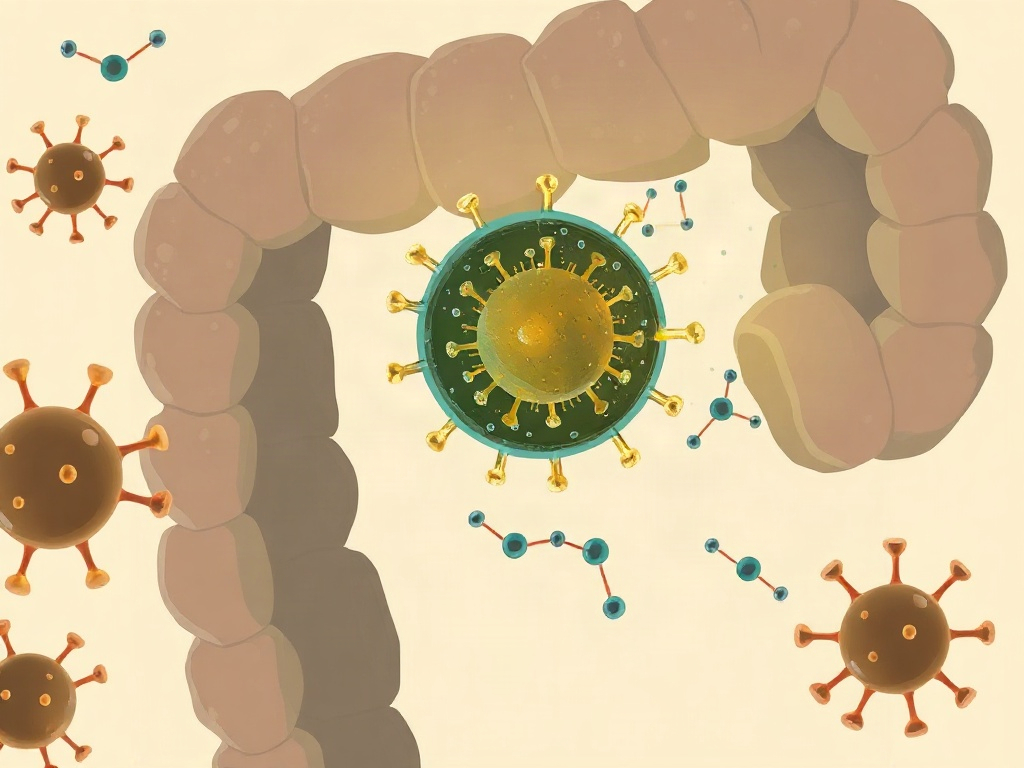
The idea that what we eat could directly reshape whether our immune cells recognize tumors or clear viruses has long been an aspirational concept in nutritional immunology. This Cell study provides a mechanistic answer: dietary arginine levels govern immune surveillance through a previously unappreciated translation-level control point, with implications for cancer progression and respiratory infection severity that extend well beyond arginine's known role in nitric oxide metabolism.
The researchers established that arginine depletion — a condition that routinely occurs in the tumor microenvironment and during certain infections — selectively suppresses specific arginine transfer RNAs (tRNAs). Because MHC class I proteins are encoded by codons heavily biased toward arginine usage, this tRNA suppression disproportionately throttles MHC-I translation without broadly crippling cellular protein synthesis. Critically, synonymous codon mutations in MHC-I sequences that reduced arginine codon frequency abolished the effect, confirming codon-usage dependency rather than a nonspecific stress response. In mouse models, dietary arginine restriction worsened influenza and SARS-CoV-2 outcomes and accelerated colon tumorigenesis, while arginine supplementation or myeloid-specific arginase 1 deletion — which preserves arginine availability in immune niches — elevated MHC-I surface expression, suppressed tumor growth, and improved viral clearance. Genetic knockout of β2-microglobulin eliminated all these effects, anchoring the phenotype squarely to MHC-I-dependent CD8⁺ T cell immunity.
This finding is potentially paradigm-shifting for several reasons. It reframes amino acid sufficiency as a direct regulator of adaptive immune translation, not merely a metabolic substrate. Prior work showed tumors deplete arginine via arginase to suppress T cell function; this study reveals an orthogonal mechanism operating upstream at the antigen-presenting cell level. For healthy adults, it raises the clinically underexplored question of whether arginine-depleted states — crash dieting, critical illness, or arginine-consuming tumor burden — create immunological blind spots detectable through MHC-I surface density. The work is currently mouse-model-based with in vitro human cell corroboration, so human intervention trials will be necessary before clinical translation. Nonetheless, as a mechanistic framework, it opens a credible therapeutic avenue in codon-aware amino acid supplementation strategies.