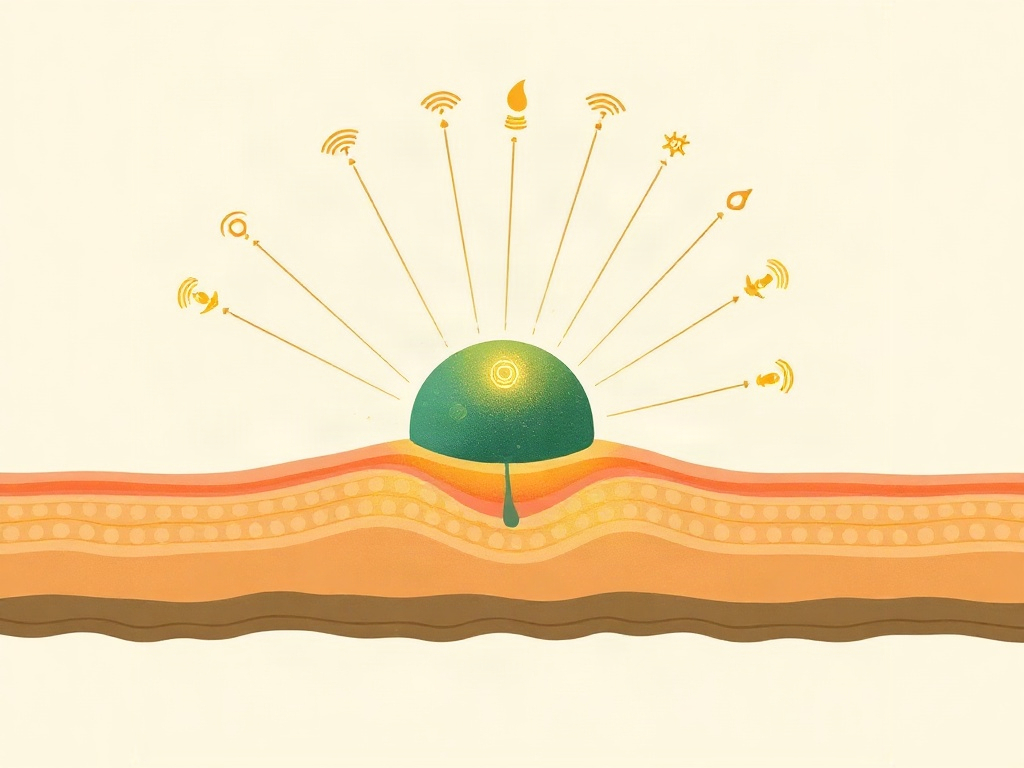
For the millions of older adults and individuals with obesity who cannot sustain meaningful physical activity, the metabolic benefits of exercise have long remained out of reach. A tissue-engineering advance published in Nature Aging suggests that gap may eventually be bridged not through a drug, but through living muscle tissue designed to do the work autonomously.
Liu and colleagues engineered differentiated muscle tissue grafts — myografts — capable of spontaneous contraction after subcutaneous implantation. Rather than simply sitting inert, these grafts actively contract within their host environment, triggering a cascade of systemic signals that parallel the physiological response to real exercise. In aging and obesity models, animals receiving the implants demonstrated preservation of lean body mass and measurable improvements in whole-body metabolic function, two outcomes that are notoriously difficult to maintain without sustained physical exertion. The specificity of differentiated muscle tissue appears critical: the grafts replicate the contractile mechanics and likely the myokine-secretion profile that exercising skeletal muscle normally produces.
This work sits at a compelling intersection of regenerative medicine and exercise physiology. The concept that skeletal muscle functions as an endocrine organ — secreting interleukin-6, irisin, BDNF precursors, and dozens of other myokines during contraction — has reshaped how researchers view exercise's systemic benefits over the past decade. What Liu's team appears to have achieved is a bioengineered proxy that taps into that secretory machinery. The implications for sarcopenia, metabolic syndrome, and age-related functional decline are significant if results translate to humans. Key limitations are substantial, however: this is preclinical work, likely in rodent models, with unknown long-term graft viability, immunogenicity concerns, and no established safety profile for humans. The surgical delivery route also raises practical barriers. Still, as a proof-of-concept, this represents a genuinely novel mechanistic strategy — not merely incremental — that reframes the therapeutic possibilities of engineered living tissue.