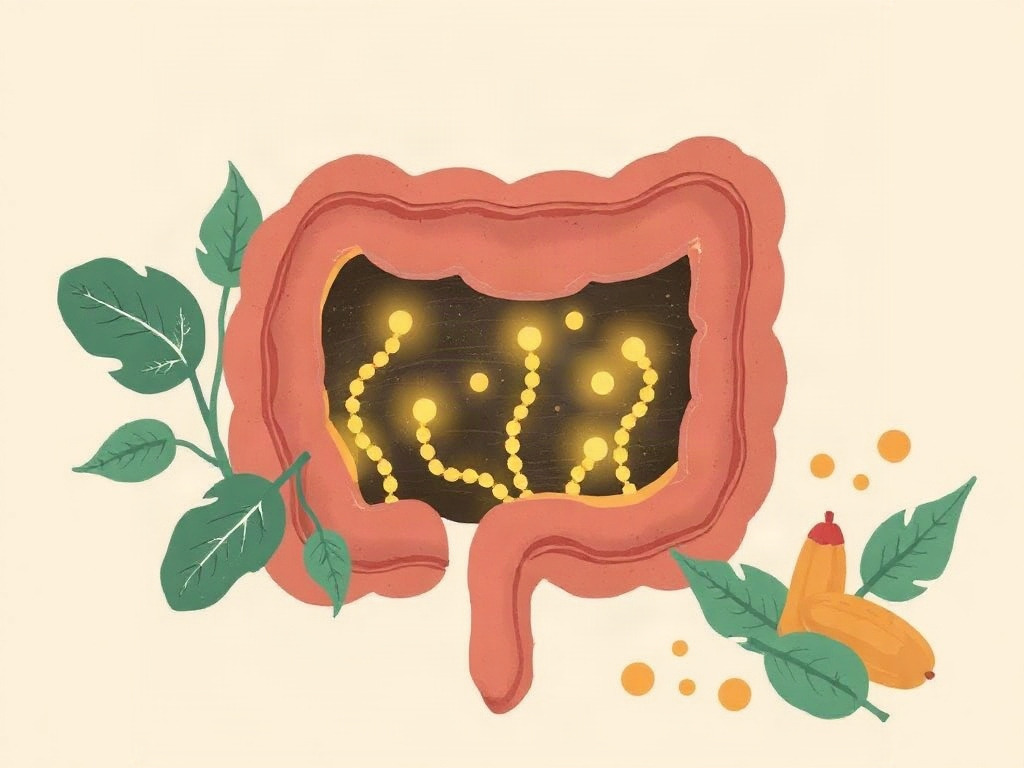
The gut-eye axis emerges as a mechanistic bridge in dry eye disease (DED), with gut dysbiosis triggering systemic inflammation, impairing immune regulation, and reducing short-chain fatty acid (SCFA) production — molecules critical for mucosal homeostasis. Omega-3 and omega-6 polyunsaturated fatty acids exert anti-inflammatory effects on the ocular surface, while antioxidants from Mediterranean-style diets stabilize the tear film and attenuate oxidative stress. Conversely, food additives and antibiotic use degrade microbial diversity, compounding DED risk. Probiotics, prebiotics, and fecal microbiota transplantation are flagged as emerging interventional strategies.
Dry eye disease affects an estimated 5–50% of adults globally depending on diagnostic criteria, yet treatment remains largely palliative — artificial tears and anti-inflammatory drops that address symptoms rather than upstream drivers. Repositioning the gut microbiome as a therapeutic target is conceptually significant: it aligns DED with the broader inflammatory disease framework where microbial ecology shapes systemic immune tone. The SCFA angle is particularly compelling, given mounting evidence that butyrate and propionate regulate T-regulatory cell activity in mucosal tissues beyond the gut. However, this review synthesizes largely preclinical and preliminary clinical data, meaning causality between specific microbial signatures and DED severity is not yet established. Effect sizes, strain specificity, and dosing remain undefined. For adults managing chronic dry eye, prioritizing omega-3-rich foods and dietary diversity is already evidence-supported; microbiome-targeted therapies warrant cautious optimism pending rigorous randomized trials.