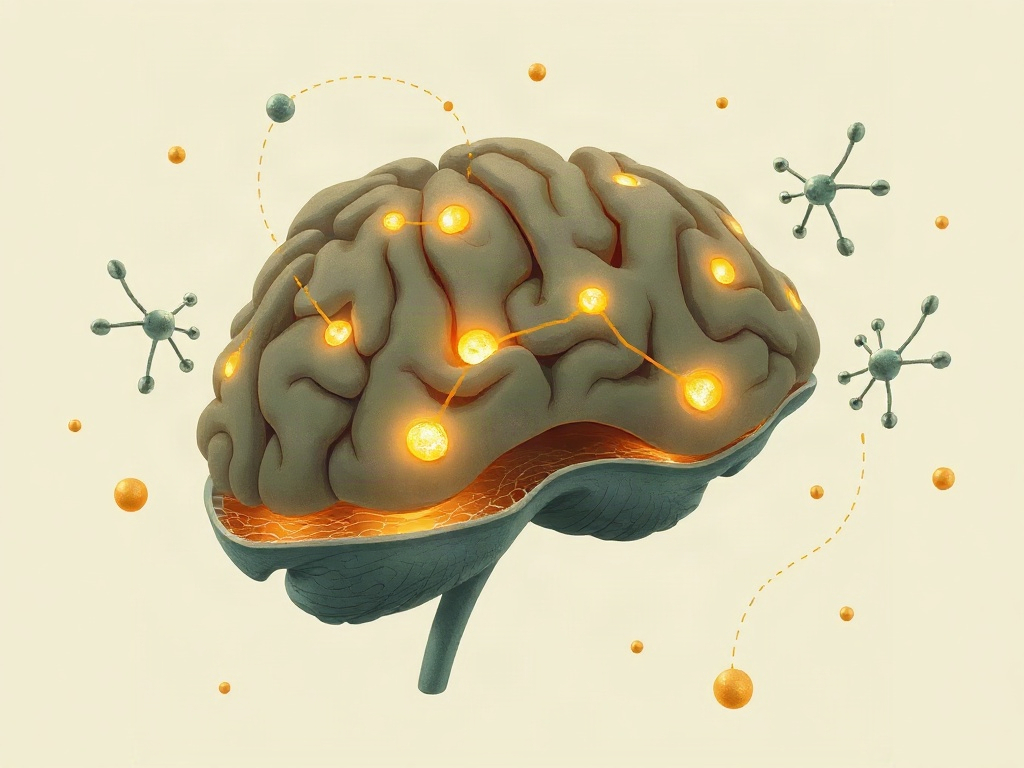
Depression research has long been hampered by a fundamental gap: the molecular machinery inside the living human hippocampus has been nearly impossible to study at scale. That changes with a multiomic atlas of unprecedented scope, which may reframe how scientists and clinicians think about what major depressive disorder actually is at the cellular level — and where future treatments should aim.
The study constructs the largest multiomic atlas of the adult human hippocampus to date, integrating genomic, transcriptomic, and epigenomic data to map neurogenesis, gene regulatory networks, and neural circuit architecture across individuals with and without major depressive disorder (MDD). The analysis identifies specific disruptions in adult hippocampal neurogenesis — the process by which new neurons are generated in the dentate gyrus — alongside altered gene regulation tied to stress response pathways, cellular aging, and neuroplasticity. These findings point toward discrete molecular targets rather than the broad neurotransmitter-level interventions that have dominated antidepressant pharmacology for decades.
This work lands at a pivotal moment in depression neuroscience. The neurogenesis hypothesis of depression — that impaired new neuron formation in the hippocampus underlies depressive states — has circulated since the early 2000s but has remained contested, largely because direct human evidence at molecular resolution was lacking. Most prior support came from rodent models, which have known translational limitations. By grounding the hypothesis in large-scale human tissue data with multiomic resolution, this atlas moves the evidence base significantly forward. The identification of cellular aging and neuroplasticity pathways as co-disrupted mechanisms is particularly notable, suggesting MDD may share biological substrates with accelerated brain aging — a convergence with growing longevity research. Key limitations include the inherent challenges of postmortem tissue analysis, which cannot fully capture dynamic, state-dependent changes in living individuals. Nonetheless, this represents a potentially paradigm-shifting resource for the field, offering a molecular map that could guide the next generation of targeted antidepressant development.