Chromosomal errors in eggs from older mothers remain one of reproductive medicine's most consequential unsolved problems, driving elevated rates of miscarriage, implantation failure, and conditions like Down syndrome. Understanding the molecular clock ticking inside dormant oocytes could reshape how clinicians assess egg quality and counsel patients on fertility timing.
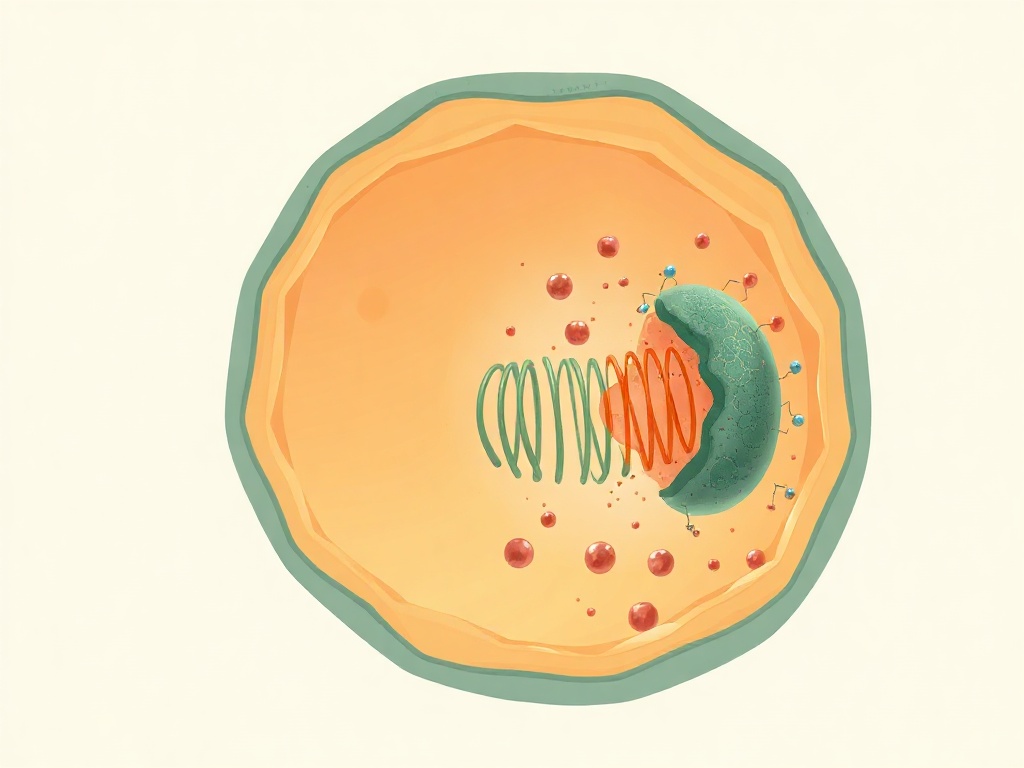
This PNAS study identifies PDS5B — a regulatory component of the cohesin protein complex — as a critical factor that progressively depletes in oocytes as maternal age advances. Unlike chromosomal cohesin itself, which is loaded during fetal development and cannot be replenished, PDS5B appears to be dynamically maintained throughout reproductive life, making its age-related decline a newly characterized vulnerability. When PDS5B levels fall below a functional threshold, cohesin complexes destabilize along chromosome arms and centromeres, impairing the tension required for accurate chromosome segregation during meiosis I. The result is aneuploidy — eggs carrying the wrong number of chromosomes — at rates that closely mirror what clinicians observe in eggs from older women undergoing IVF.
The cohesin deterioration hypothesis has circulated in reproductive biology for over a decade, but most prior work attributed age-related aneuploidy to the gradual "wearing out" of cohesin loaded in fetal life, a largely irreversible process. Pinpointing a dynamically regulated cofactor like PDS5B introduces a potentially modifiable node in the pathway, which is scientifically significant. If PDS5B abundance can be maintained or restored — a question this work does not yet answer — it might represent a target for interventions to extend egg quality. Key caveats apply: the study appears to rely on mouse oocyte models, and translational relevance to human fertility requires validation in human egg cohorts. Single-protein mechanisms rarely explain complex age-related phenotypes fully. Still, this work is more than incremental — it reframes oocyte aging from passive cohesin exhaustion to active regulatory insufficiency, a distinction with real experimental and clinical implications.