Cellular housekeeping sits at the heart of healthy aging, and one of its most critical mechanisms — autophagy — has long resisted full mechanistic explanation. Understanding exactly how cells construct the membrane envelopes that capture and destroy damaged proteins and organelles could unlock therapeutic strategies for conditions ranging from neurodegeneration to metabolic disease, where autophagic dysfunction is a recognized driver.
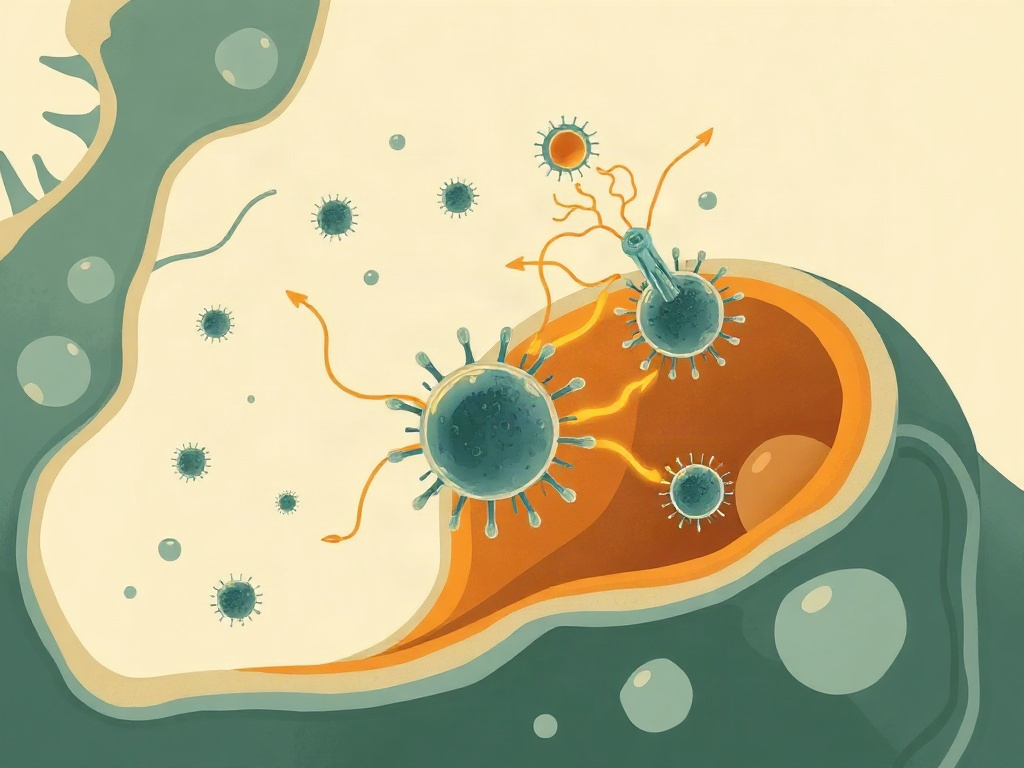
This PNAS study maps how the lipid transfer protein Atg2 is recruited to and released from the endoplasmic reticulum (ER) during autophagosome biogenesis. Atg2 is the key protein responsible for transferring phospholipids from donor membranes — primarily the ER — to the expanding phagophore, the nascent double-membrane structure that eventually seals into a mature autophagosome. The research characterizes the spatiotemporal precision of this association, identifying specific regulatory signals or structural transitions that govern when and where Atg2 engages the ER membrane, findings that shed light on how lipid supply is gated during the expansion phase of autophagosome formation.
This work adds meaningful mechanistic resolution to a field that has extensively catalogued autophagic components but still lacks a complete dynamic picture of their choreography. Atg2's role as a lipid transfer conduit has been established in yeast and mammalian systems, but the regulatory logic controlling its ER docking — particularly its on/off kinetics — has remained unclear. The finding is notable because dysregulated autophagy is implicated in Parkinson's disease, Alzheimer's disease, and age-related sarcopenia, making Atg2 and its ER interaction a plausible therapeutic target. That said, this appears to be mechanistic cell-biology work, likely conducted in yeast or cultured cells, which is several translational steps removed from human health application. It is best characterized as incremental but high-quality basic science that strengthens the structural foundation for future pharmacological intervention.