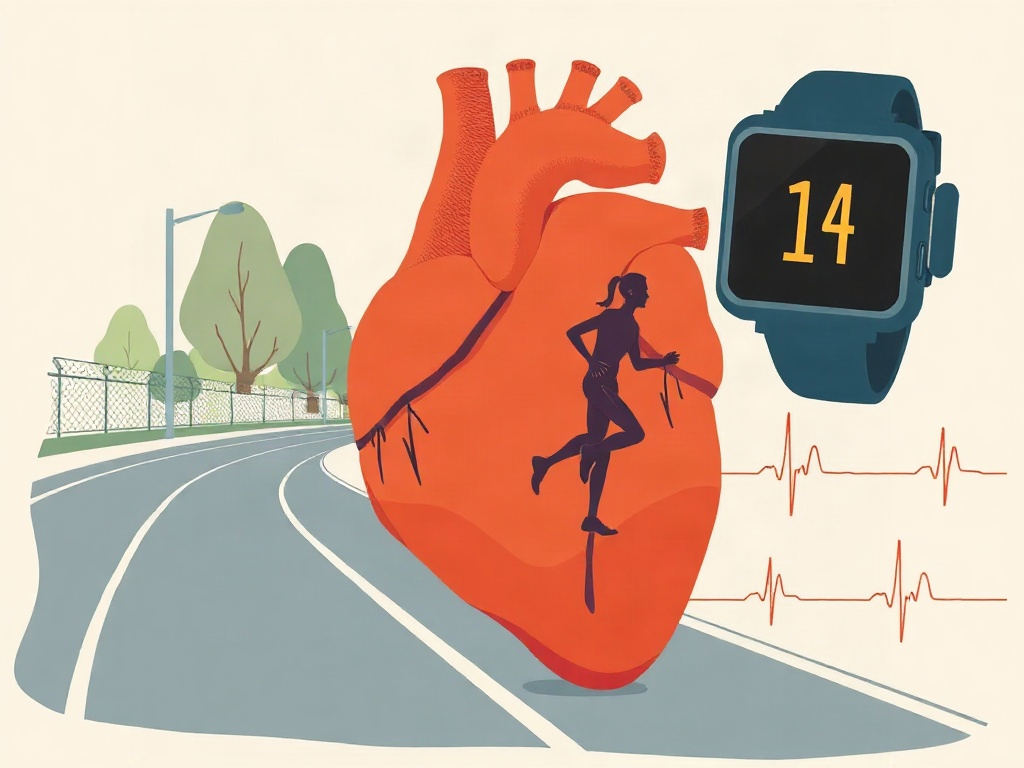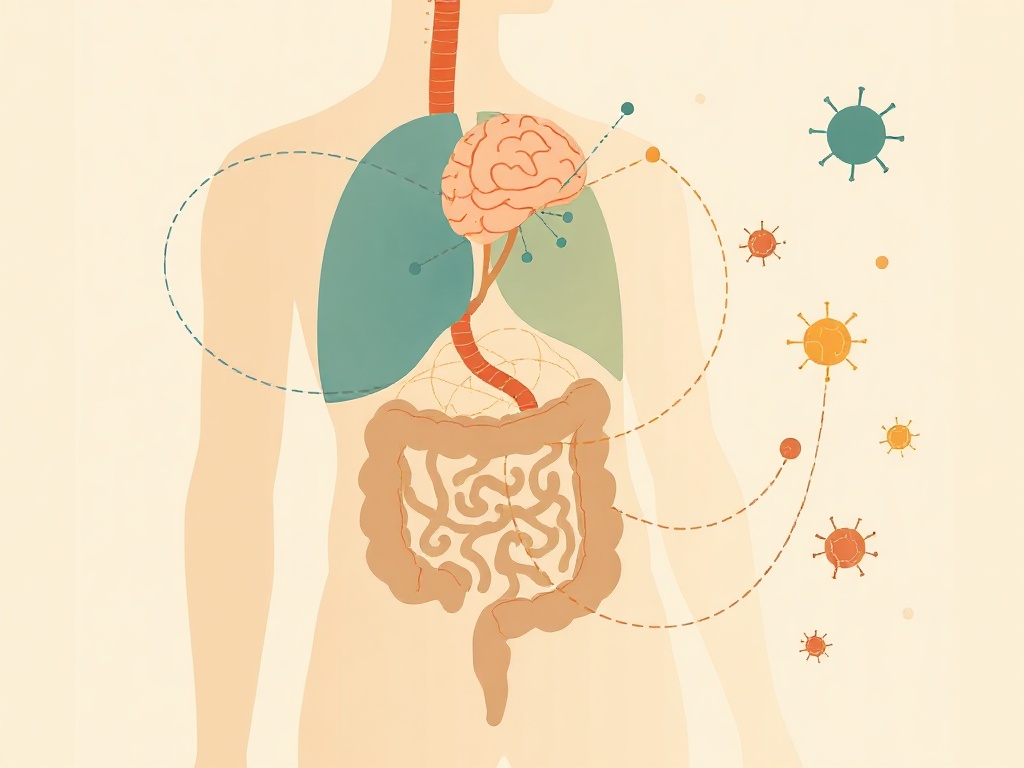
The idea that exercise benefits the brain through purely cardiovascular means is giving way to something more intricate: a bidirectional molecular conversation between contracting skeletal muscle, gut microbiota, and neural tissue. Understanding these specific chemical messengers reframes exercise not as a blunt intervention but as a precision biological signal — with implications for cognitive decline, metabolic disease, and mental health disorders.
This systematic review, following PRISMA 2020 guidelines, synthesized evidence from 154 studies drawn from PubMed, Embase, and Web of Science (through October 2023), mapping 987 discrete molecular associations across the muscle-brain-gut triad. Of these, 59 associations were graded as high-quality (Grades 1–2), meaning they were genetically validated, functionally characterized, and reproducible across models. The strongest evidence centered on two signaling classes: exercise-induced myokines — particularly irisin and brain-derived neurotrophic factor (BDNF) — and gut microbially derived metabolites, including short-chain fatty acids (SCFAs) and tryptophan derivatives. These compounds were shown to modulate neuroplasticity and mitochondrial function, linking skeletal muscle contraction to measurable changes in cognitive and affective physiology.
What makes this review analytically useful is its evidence-grading system, which distinguishes robust mechanistic data from preliminary associations — a methodological discipline often absent in microbiome-exercise literature. The 59 high-confidence associations are a modest but meaningful subset of the 987 total, underscoring how much of this field remains hypothesis-generating rather than established. Irisin's role in hippocampal plasticity and SCFA effects on the blood-brain barrier have individually accumulated solid preclinical support, but their integration into a unified axis model in humans is still nascent. Most included studies were observational or used animal and cell models, limiting causal inference. This review is best characterized as confirmatory and organizing rather than paradigm-shifting — it provides a rigorous taxonomy of what is known and grades the evidence honestly. For longevity-focused readers, the practical signal is clear: exercise produces specific molecular mediators that connect gut ecology and brain function, and future interventions targeting this axis may prove more precise than broad exercise prescriptions.