For older adults navigating the intersection of cardiovascular risk and metabolic aging, protein source may matter as much as protein quantity — and this well-controlled feeding trial offers one of the cleaner head-to-head comparisons yet between legume-based and meat-based diets matched for total calories, macronutrients, and even total iron.
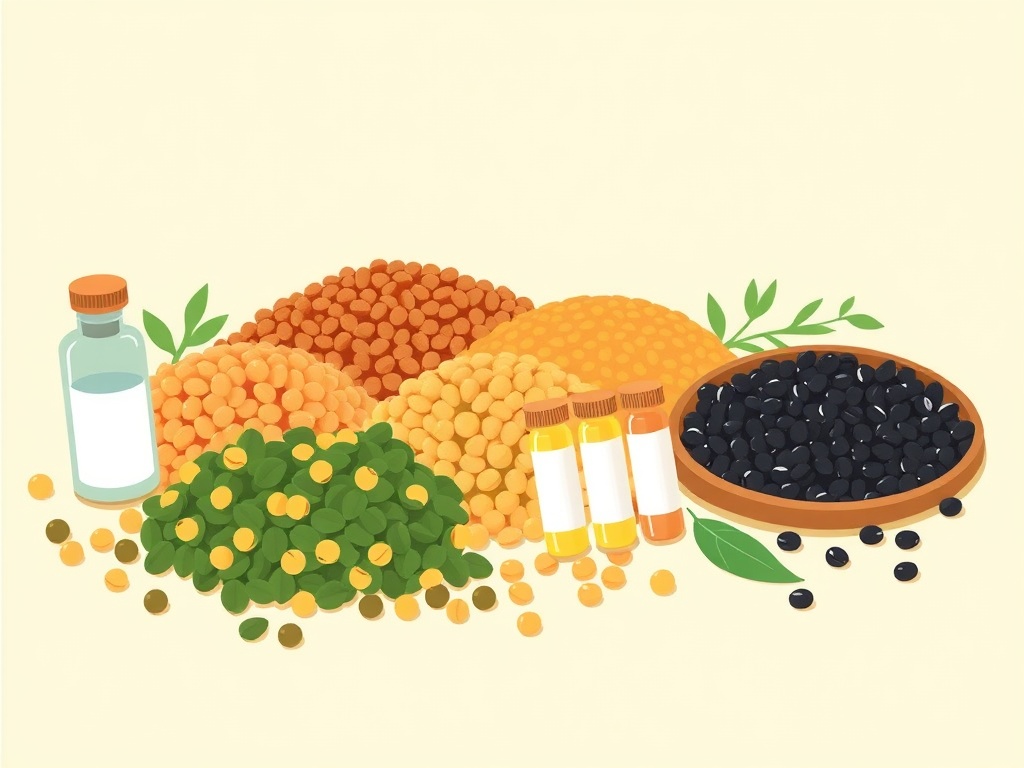
The PRODMED1 crossover trial enrolled 47 adults aged 60 and older (mean age 69.2 years) and rotated participants through eight weeks each of a pulse-protein diet (PPD, ~332 g/day of legumes) and a meat-protein diet (MPD, ~162 g/day lean pork), with each phase contributing at least 45% of total dietary protein from its designated source. Diets were carefully iso-caloric and macro-matched, differing primarily in heme iron content and methionine availability — two variables with established links to cardiometabolic aging. Both dietary patterns improved fasting glucose and lipid metabolism markers over their respective intervention windows, with no significant between-diet differences on those endpoints. Notably, ferritin — a biomarker of iron storage and systemic inflammation increasingly linked to accelerated aging — showed a directional advantage favoring the pulse diet, consistent with its lower heme iron load. TMAO, a gut-derived metabolite tied to cardiovascular disease risk, did not change significantly in either arm.
This trial's crossover design is a methodological strength, effectively controlling for inter-individual variability — a chronic problem in nutrition research. However, the 47-participant sample is modest, the cohort was predominantly female (72%), and the eight-week window may be insufficient to capture slower-moving biomarkers of aging such as epigenetic clocks or telomere dynamics. The methionine restriction hypothesis — central to the study's longevity framing — was not directly tested through downstream mechanistic markers like FGF21 or IGF-1. Still, demonstrating that a guideline-compliant, pulse-forward diet can match or modestly outperform lean-meat diets on cardiometabolic biomarkers in older adults is clinically meaningful. This finding is confirmatory rather than paradigm-shifting, but adds rigorous feeding-trial evidence to an area often dominated by observational data.