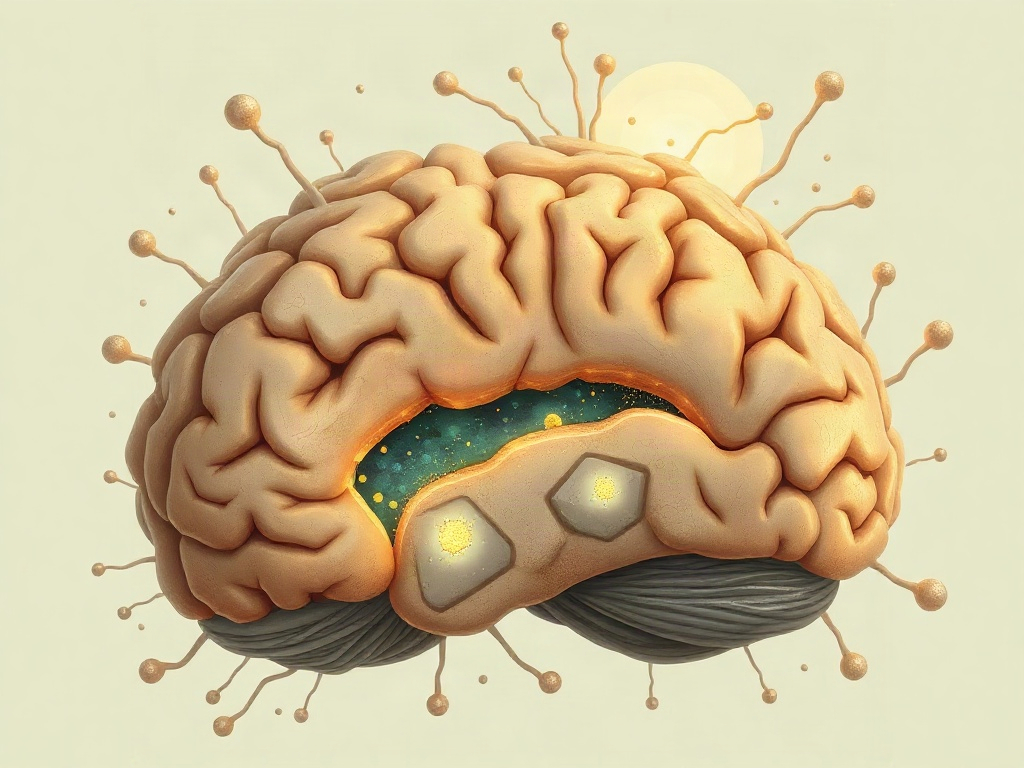
The dominant narrative around Alzheimer's disease has centered on amyloid plaques and tau tangles for decades, but that framing may be incomplete — and possibly even late-stage. If disrupted communication between mitochondria and the nucleus is upstream of those hallmarks, it reframes both the timeline and the target of effective intervention, with significant implications for prevention-focused adults.
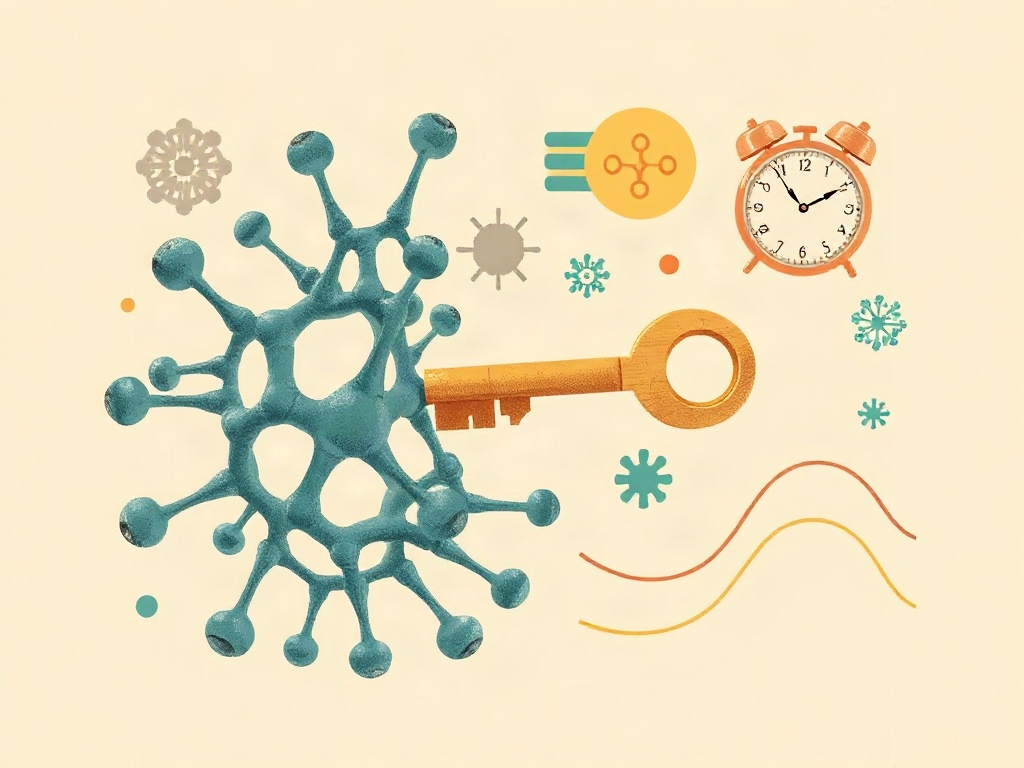
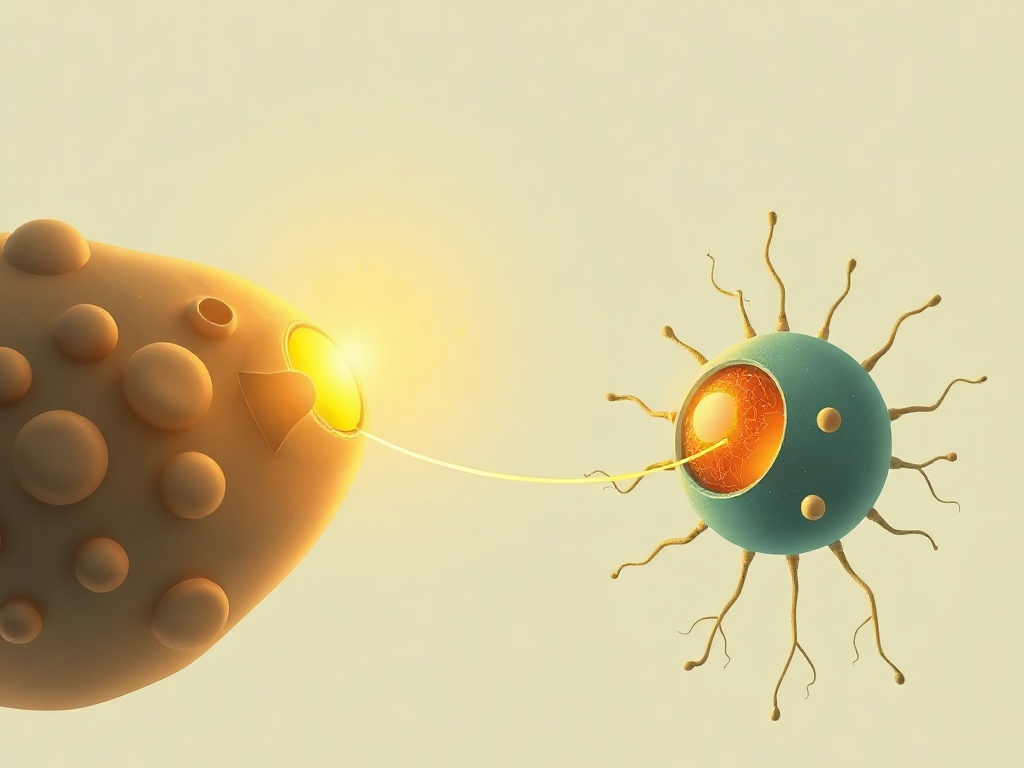
This review in Ageing Research Reviews maps the bidirectional signaling network between mitochondria and the nucleus, detailing how anterograde pathways — governed by the PGC-1α/NRF1/NRF2/TFAM axis — regulate mitochondrial biogenesis and metabolic gene expression, while retrograde pathways carry stress signals back to the nucleus via reactive oxygen species, calcium flux, circulating mitokines, and the mitochondrial unfolded protein response (UPRmt). In Alzheimer's disease, the authors argue, these circuits fail early: mito-nuclear signaling deficits appear to precede measurable amyloid-β accumulation and tau pathology, suggesting they may act as upstream drivers rather than downstream consequences. Therapeutic avenues reviewed include NAD⁺ precursor supplementation, pharmacological mitophagy enhancers, and mitochondria-targeted compounds aimed at restoring this crosstalk.
This synthesis matters because it repositions mitochondrial dysfunction from a side effect of neurodegeneration to a potential initiating cause — a shift with real mechanistic weight. The PGC-1α pathway, in particular, has been consistently implicated in aging and neurodegeneration across multiple independent research lines, lending credibility to the framework. However, as a review article rather than primary data, the causal directionality it proposes — mito-nuclear failure preceding amyloid — remains inferential and needs validation in longitudinal human cohorts. The NAD⁺ supplementation angle is timely given active clinical trial interest, but translating mitochondrial crosstalk restoration to measurable cognitive endpoints in humans is still an open challenge. Overall, this is a conceptually important synthesis that may shift how researchers prioritize early-stage Alzheimer's biomarkers and drug targets.