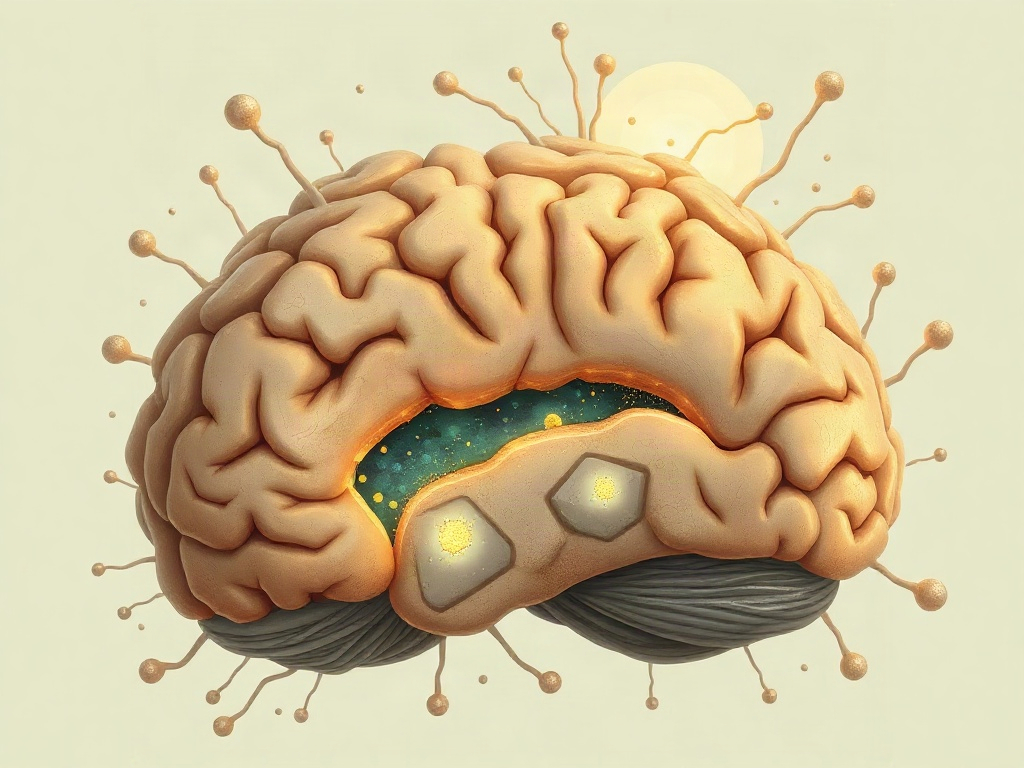
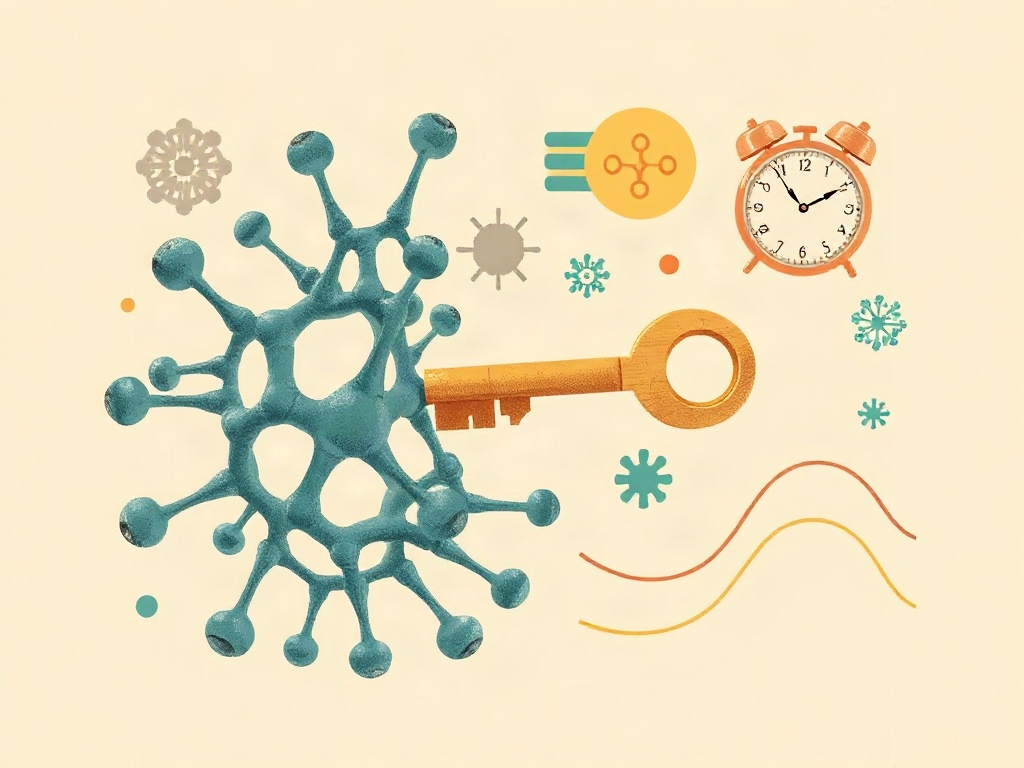
Sixteen weeks of treadmill exercise in aged male C57BL/6J mice improved hippocampal cognition and reduced neuroinflammation through a previously uncharacterized liver-brain signaling axis. Exercise elevated hepatic fibroblast growth factor 21 (FGF21)—a hepatokine that aging itself suppresses—which activated the AMPK–TFEB pathway in microglia, restoring lysosomal function and mitophagy. When hepatic FGF21 was knocked down or mitophagy pharmacologically blocked, all cognitive and anti-inflammatory benefits of exercise were abolished. Mechanistically, restored microglial mitophagy reduced cytosolic mitochondrial DNA accumulation, thereby dampening cGAS-STING-driven neuroinflammation in the aging hippocampus.
This work is genuinely significant for the aging-neuroscience field because it closes a critical explanatory gap: how peripheral exercise adaptations translate into central neuroprotection. The cGAS-STING pathway has emerged as a major driver of sterile inflammaging, and identifying microglial mitophagy as its upstream brake is mechanistically precise and therapeutically actionable. FGF21 analogs are already in clinical development for metabolic disease, making this a credible drug-repurposing lead for cognitive aging. Key limitations deserve emphasis: the model is entirely male mice, excludes female hormonal influences, and the 16-week treadmill protocol may not translate directly to human exercise regimens. Whether circulating FGF21 levels in exercising older humans correlate with cognitive outcomes remains untested. Still, the causal chain demonstrated here—exercise → hepatic FGF21 → microglial AMPK-TFEB → mitophagy → reduced mtDNA-cGAS-STING signaling → attenuated neuroinflammation—is unusually complete for a preclinical study and elevates this beyond incremental work.