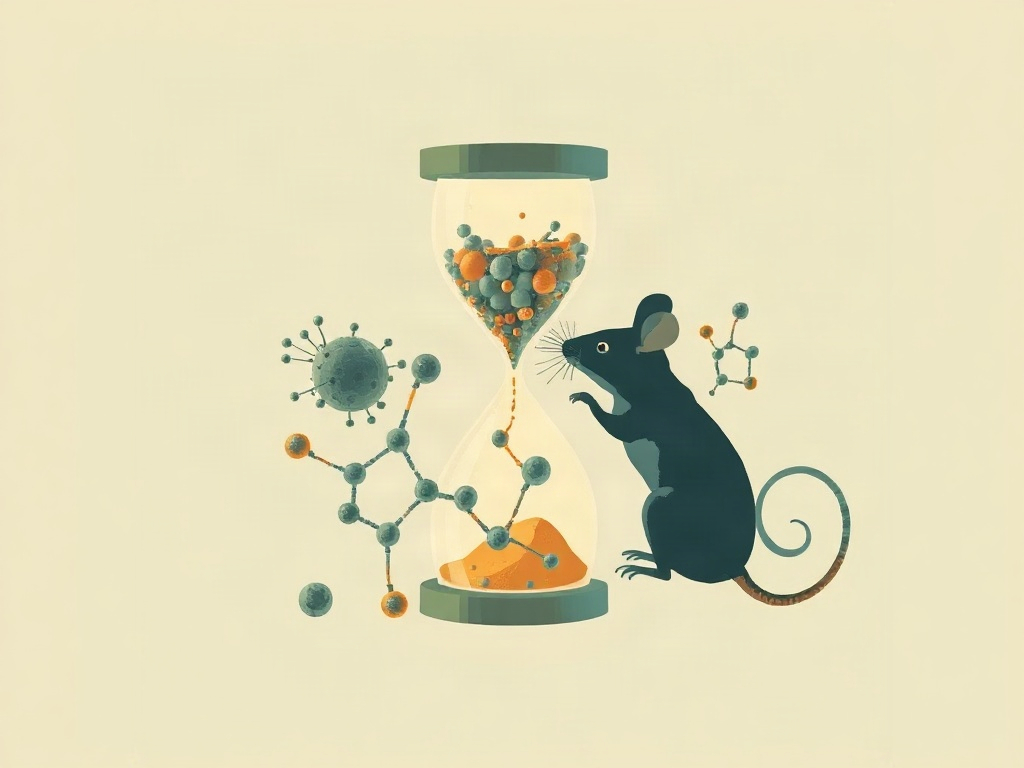
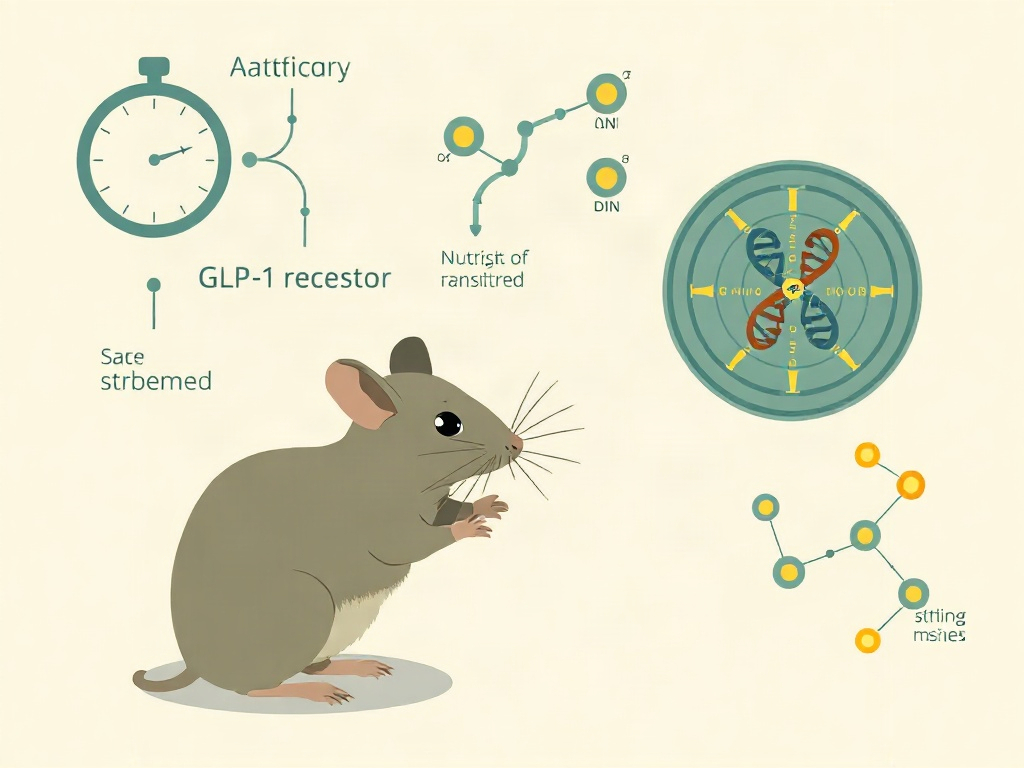
Intracellular complement proteins C3 (intC3) and C5 (intC5) — components of what is now termed the 'complosome' — engage in extensive crosstalk with mTOR, NF-κB, and AMPK pathways to modulate at least eight canonical hallmarks of aging, including mitochondrial dysfunction, proteostasis loss, genomic instability, and stem cell exhaustion. Organ-specific intC3 dysregulation has been mapped across the brain, liver, eye, kidney, vasculature, lung, immune system, and cancer contexts.
The complosome concept represents a genuine conceptual shift rather than incremental progress. For decades, complement biology was confined to extracellular innate immunity; recognizing that C3 and C5 operate autonomously inside cells — independently of systemic complement activation — reframes how chronic low-grade inflammation (inflammaging) is generated at the cellular level. The intersection with mTOR and AMPK is particularly significant for longevity researchers, as both pathways are already primary targets of rapamycin and metformin interventions. If intC3 sits upstream or in feedback with these sensors, it could explain why systemic complement inhibition in clinical trials has yielded inconsistent aging-related outcomes.
Critical limitations apply: this is a review synthesis, not primary data, meaning causal evidence in humans remains sparse. Most mechanistic work derives from in vitro and rodent models. Therapeutic strategies discussed — PROTACs, RNAi, nanodelivery — are largely preclinical. Still, the precision framing (preserve systemic complement, selectively suppress intracellular pools) offers a realistic translational roadmap worth tracking closely.