Cognitive decline has long been attributed to aging, genetics, and cardiovascular risk — but mounting evidence implicates kidney dysfunction as an underappreciated driver of neurodegeneration. For the estimated 850 million people living with chronic kidney disease globally, this connection carries profound implications: renal impairment may be silently eroding brain function through mechanisms that standard dementia screenings rarely capture.
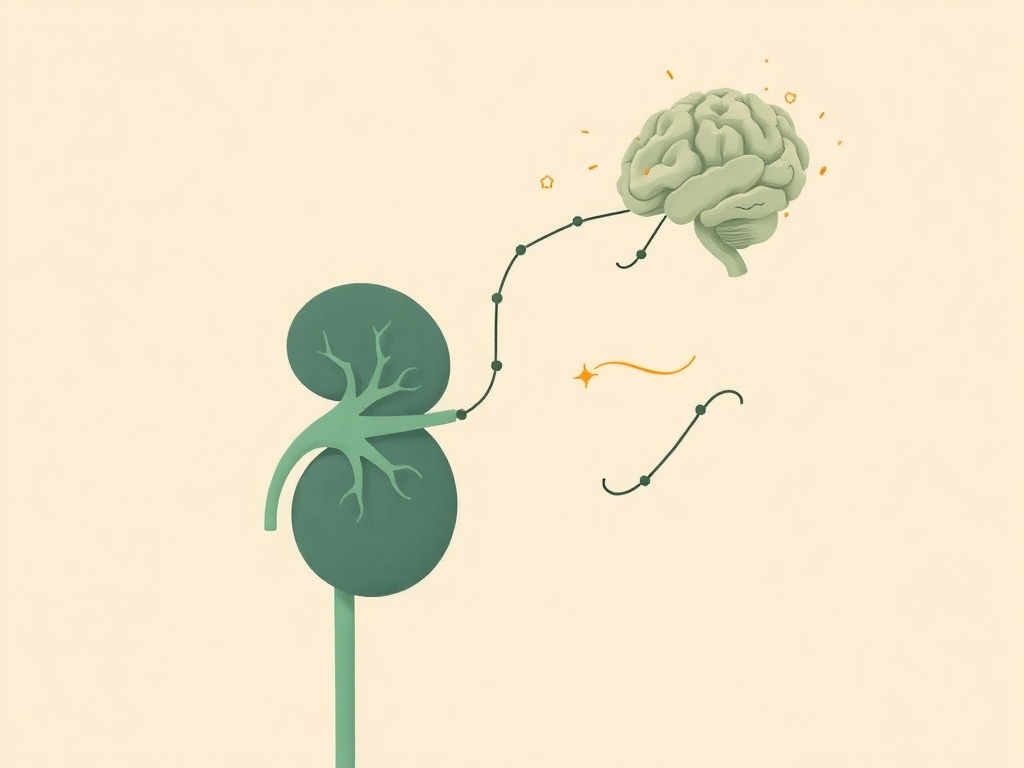
This comprehensive review in Biomedicines maps the kidney-brain axis as a multi-pathway system in which compromised renal clearance permits the accumulation of neuroactive solutes. The authors identify at least nine retained uremic compounds — including indoxyl sulfate, p-cresyl sulfate, trimethylamine-N-oxide (TMAO), quinolinic acid, and homocysteine — each with distinct mechanisms of cerebral harm. These solutes collectively trigger endothelial injury, oxidative stress, neuroinflammation, mitochondrial dysfunction, excitotoxicity, and glial activation. Critically, blood-brain barrier disruption appears to be a convergence point: once barrier integrity is compromised, toxin penetration into neural tissue accelerates synaptic and neuronal vulnerability. The review also highlights inconsistent cognitive screening practices in nephrology settings as a structural gap that delays recognition and intervention.
What makes this framework analytically compelling is how it repositions CKD from an organ-specific disease to a systemic neurological risk factor operating through overlapping vascular, inflammatory, and neurodegenerative pathways simultaneously. TMAO is particularly notable here — it has also been implicated in cardiovascular and gut-microbiome-related pathology, suggesting that uremic toxins may represent a shared upstream mechanism across multiple aging-related conditions. However, the authors are appropriately cautious: the preponderance of current evidence is experimental or associative, and direct causal proof in human cohorts remains limited. The absence of a unified biomarker strategy further complicates clinical translation. This review is best characterized as a rigorous mechanistic synthesis rather than a practice-changing trial — it provides a compelling conceptual scaffold that future interventional research must now test. For longevity-focused practitioners, it reinforces the case for early, proactive renal monitoring as a component of cognitive health preservation.