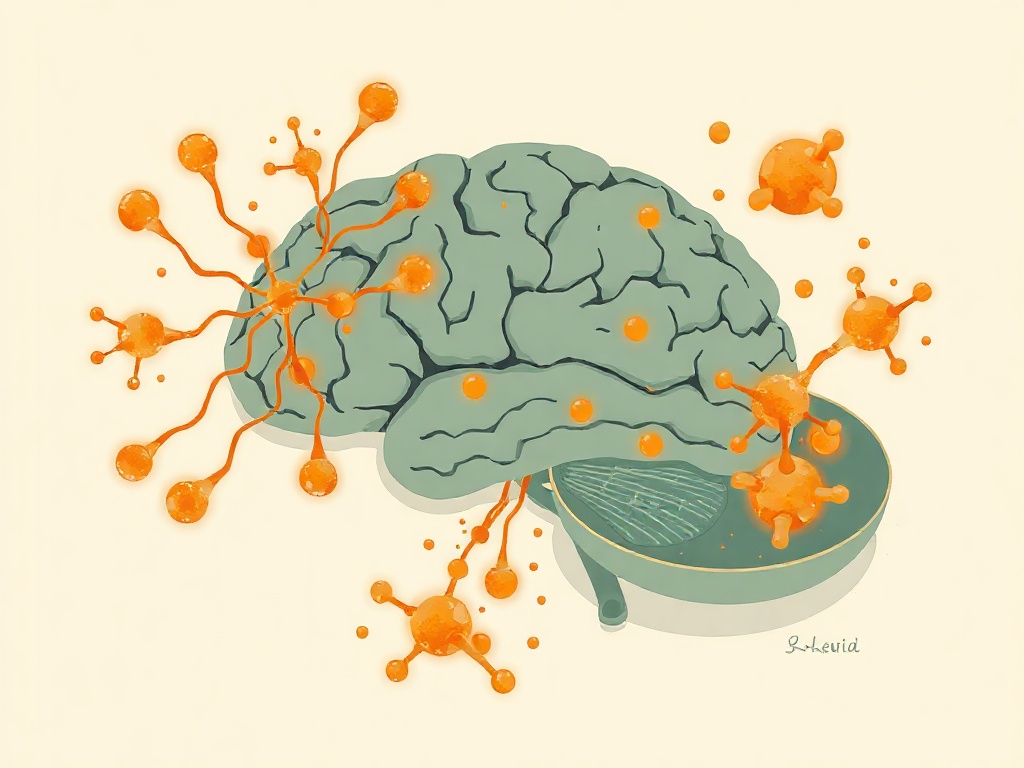
The possibility that a common over-the-counter drug could interrupt a dietary pathway leading to depression reframes how neuropsychiatric risk from poor eating might one day be managed. For the growing population consuming Western-style diets, this mechanistic link between chronic fat intake and brain inflammation offers a potential therapeutic target beyond lifestyle change alone.
Using male mice exposed to a high-fat diet for at least ten weeks, researchers at Molecular Psychiatry identified a chain reaction beginning in the gut and ending in depressive-like behavior. Multi-omics and targeted lipidomics revealed that prolonged high-fat feeding disrupts polyunsaturated fatty acid balance: omega-6 arachidonic acid (AA) surges while protective omega-3 metabolites decline. This lipid imbalance correlates with microglial activation and elevated pro-inflammatory cytokines — specifically IL-6, TNF-α, and CCL2 — concentrated in the prefrontal cortex and hippocampus. Crucially, AA supplementation alone was sufficient to reproduce the depressive phenotype and directly trigger NF-κB-mediated neuroinflammation in neuron-microglia co-cultures. Aspirin, acting as a dual COX-1/COX-2 inhibitor, reversed these behavioral deficits by suppressing microglial hyperactivation and restoring the neuroinflammatory balance.
This work adds mechanistic granularity to an already robust epidemiological literature connecting Western diets with depression risk, but several limitations deserve emphasis. The study is entirely preclinical — conducted in male mice only — meaning sex-specific findings and human applicability remain unestablished. The aspirin doses and dosing duration used in rodent models rarely translate directly to safe chronic human use, and aspirin's well-documented gastrointestinal and bleeding risks preclude casual adoption as a neuropsychiatric preventive. The gut dysbiosis component, while implicated, is not fully resolved mechanistically here. That said, the identification of AA-driven microglial activation as a discrete, pharmacologically addressable node in diet-to-depression biology is genuinely significant — it positions selective COX or AA-pathway inhibitors as credible candidates for future human trials targeting metabolic depression subtypes.