The assumption that immune challenges leave no lasting trace in blood-forming stem cells turns out to be wrong — and that correction carries significant implications for how we understand aging, clonal hematopoiesis, and even all-cause mortality risk. A molecular memory imprinted during inflammation may quietly reshape immune function across an entire lifetime.
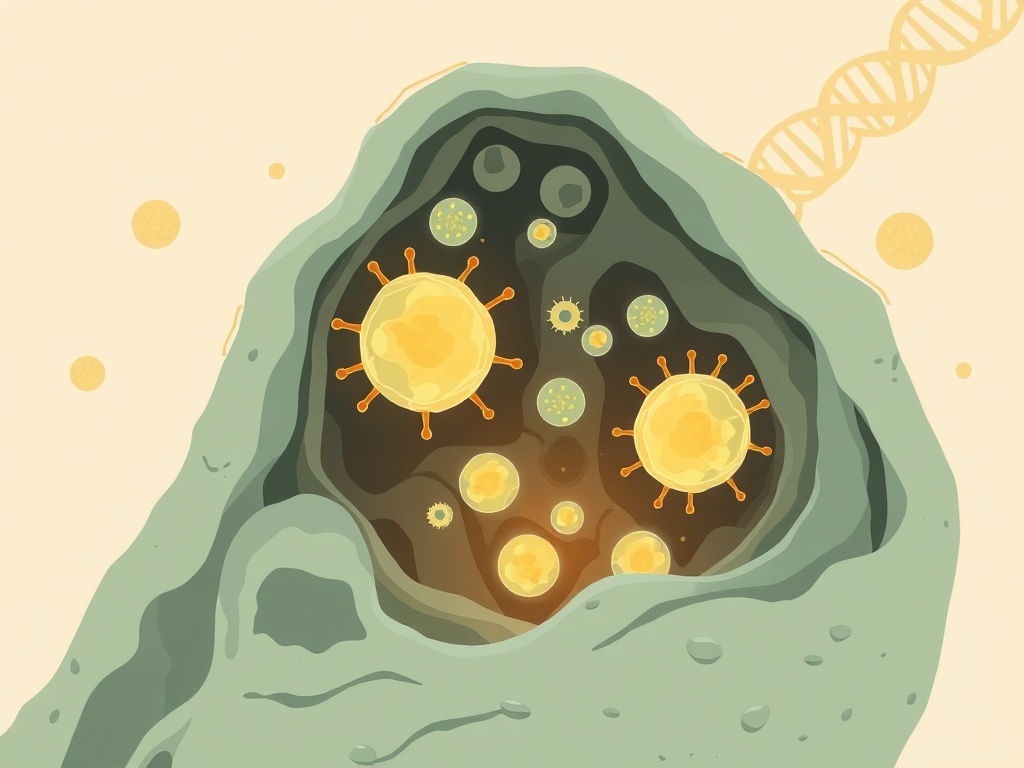
Using xenograft inflammation-recovery models paired with single-cell multiomics, researchers identified two transcriptionally and epigenetically distinct subsets of human haematopoietic stem cells (HSCs). One subset — designated HSC inflammatory memory (HSC-iM) — retains durable molecular reprogramming after inflammatory exposure. This HSC-iM population enters a state of relative quiescence and restrains downstream haematopoietic output. Critically, the HSC-iM transcriptional signature was validated not just in xenograft systems but in real human samples spanning COVID-19 recovery, sickle cell disease, natural aging, and clonal haematopoiesis, confirming physiological relevance. Clonal haematopoiesis mutations were found to partially override the HSC-iM quiescent state by promoting stem cell activation. Most strikingly, enrichment of the HSC-iM program in circulating blood cells correlated with elevated all-cause mortality risk scores in population-level cohort analyses.
This finding reframes HSCs from passive replenishment engines into active integrators of immunological history. The concept of trained immunity has been established in differentiated innate immune cells like monocytes, but encoding that memory at the stem cell level — where it can propagate to all downstream progeny — represents a fundamentally different and potentially longer-lasting mechanism. The mortality association, while observational and requiring replication in independent cohorts, suggests HSC-iM may function as a biological aging clock of immune stress exposure. Limitations include the xenograft model's inherent species differences and the cross-sectional nature of cohort analyses. If causal pathways are confirmed, HSC-iM could eventually serve as a biomarker or therapeutic target in inflammation-driven disease progression.