The assumption that colorectal cancer is primarily a genetic disease is being steadily dismantled by microbiome research — and this study adds a mechanistic brick to that wall. Understanding how gut bacteria actively amplify cancer-promoting pathways, rather than merely correlating with disease, has profound implications for prevention and treatment strategies targeting the microbiome.
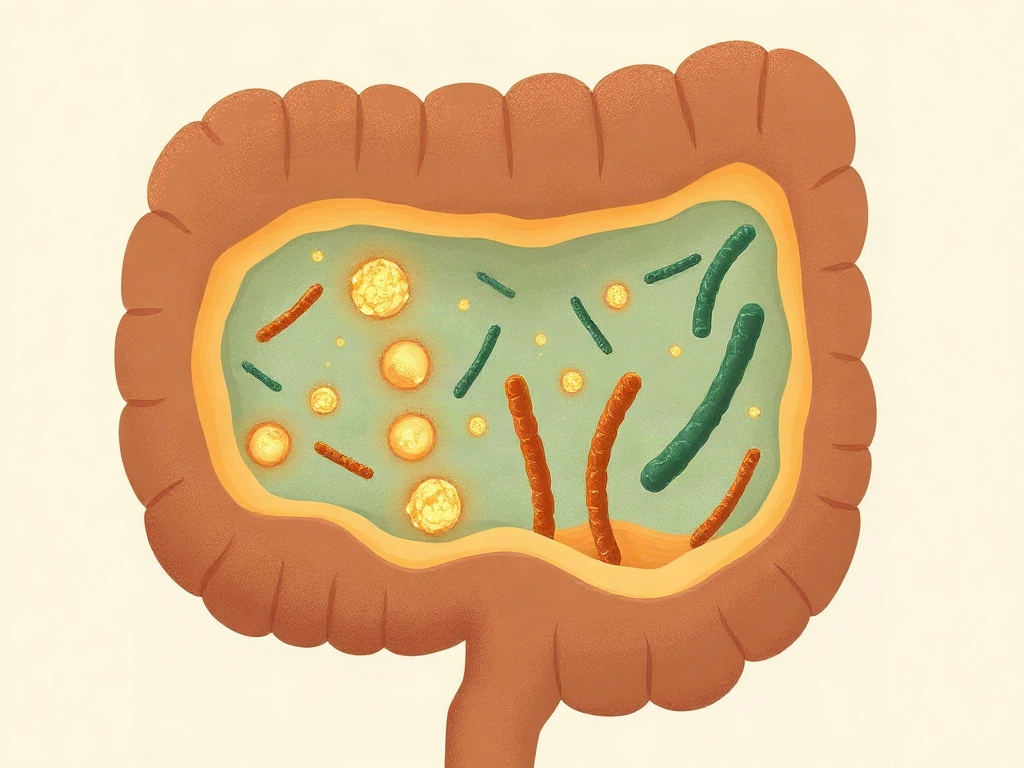
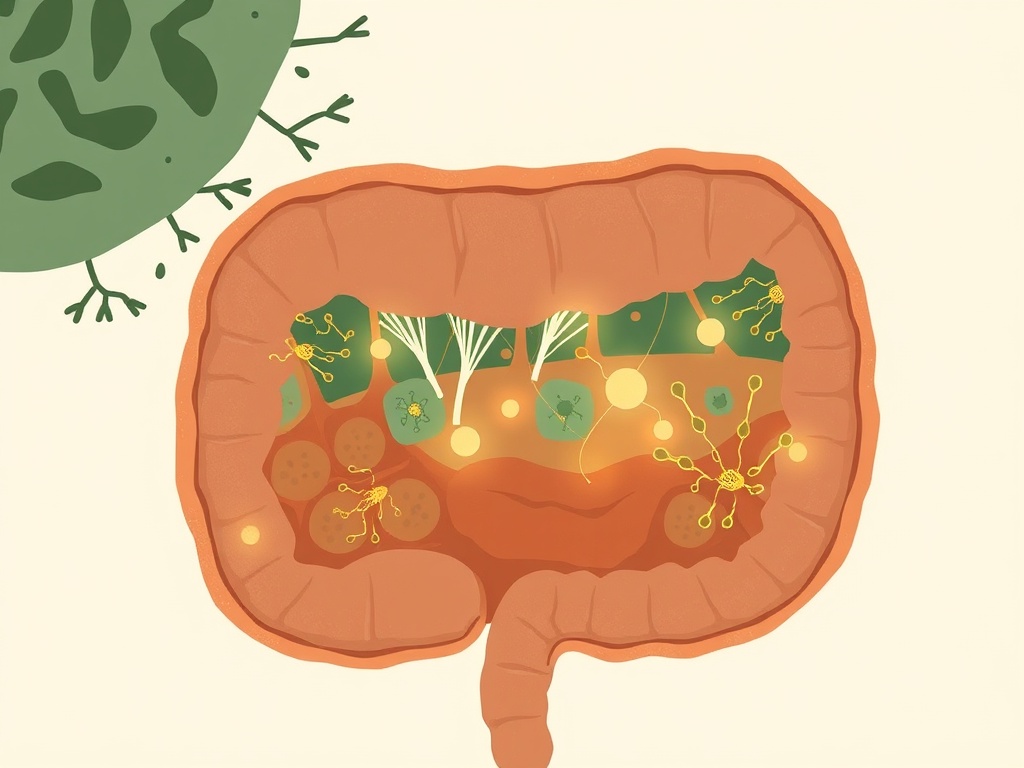
Using the well-established Apc(Min/+) mouse model of intestinal adenoma, researchers tracked both epithelial-adherent and fecal microbiota longitudinally. A striking finding emerged: epithelial microbiota composition diverged between tumor-prone and wild-type mice as early as eight weeks of age — well before fecal microbiota differences became detectable at 20 weeks. This temporal gap suggests that bacterial shifts at the mucosal surface are not merely a byproduct of tumor development but may precede and potentially contribute to it. Intraepithelial Escherichia coli exhibiting invasive phenotypes were identified as a hallmark of this dysbiosis. Antibiotic treatment reduced tumor burden, while experimental infection with invasive E. coli promoted tumorsphere formation in vitro. Mechanistically, bacteria enhanced cancer cell clonogenicity by upregulating VGLL3 and TEAD4 — effectors of the Hippo signaling pathway — along with the stemness marker CD44.
This work intersects two fields that have developed largely in parallel: the Wnt/APC axis in colorectal oncogenesis and the emerging role of bacteria like Fusobacterium nucleatum and adherent-invasive E. coli in tumor microenvironments. The Hippo pathway connection is particularly novel, suggesting bacteria may co-opt a developmental signaling axis to sustain cancer stem cell populations. Key limitations include the mouse-model context and the mechanistic work being performed in vitro; whether VGLL3/TEAD4 upregulation by invasive E. coli operates similarly in human colorectal carcinogenesis requires validation in patient-derived organoids or clinical cohorts. Still, the early epithelial dysbiosis timeline is a potentially paradigm-shifting observation — one that repositions the microbiome as an early, causal player rather than a late-stage passenger in hereditary colorectal cancer.