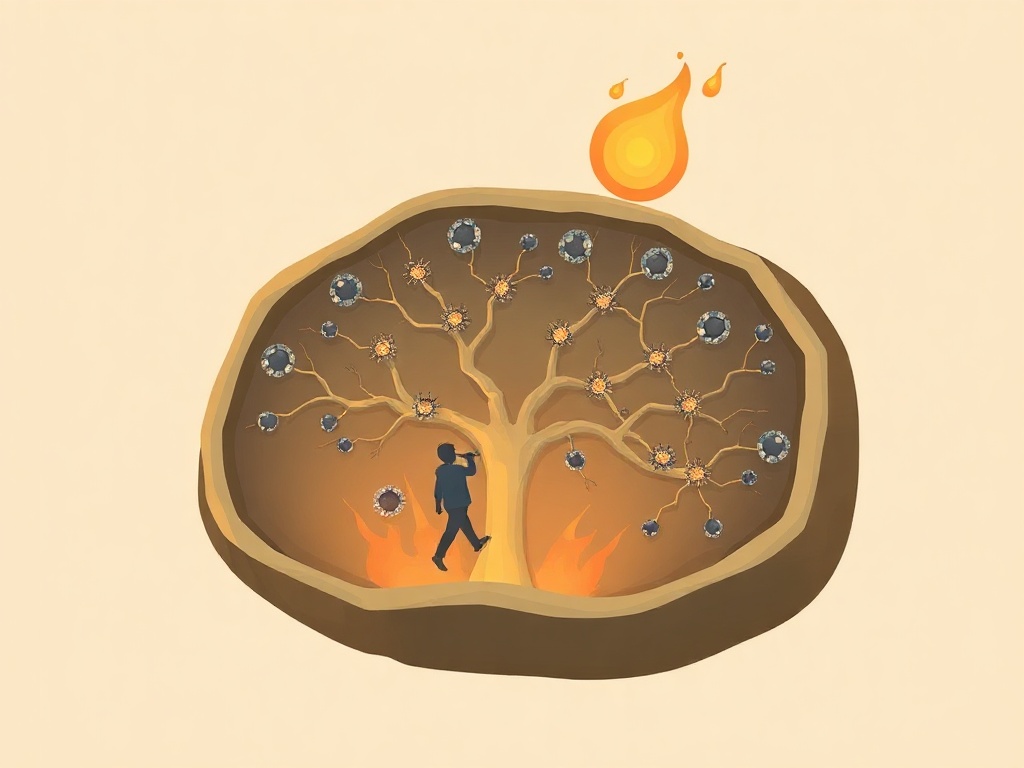
One of the most persistent puzzles in aging biology is explaining why the immune system shifts from a protective force into a driver of chronic, low-grade inflammation — a phenomenon now called inflammaging. New mechanistic evidence from mouse models points to a surprisingly upstream culprit: age-related changes in blood-forming stem cells that permanently rewire how immune cells behave, long before inflammation becomes clinically apparent.
The research team, publishing in Nature Aging, identified SIRT3 — a mitochondrial deacetylase — as a critical suppressor of what is termed maladaptive trained immunity in hematopoietic stem cells (HSCs). In aging mice, declining SIRT3 activity in HSCs appears to epigenetically reprogram these progenitor cells, biasing their differentiation toward pro-inflammatory myeloid lineages. The resulting inflammatory myeloid cells then circulate systemically, contributing to tissue functional decline across multiple organ systems. The mechanism implies that the inflammatory damage of aging is not simply a downstream consequence of accumulated cellular stress, but is actively propagated from the blood stem cell compartment itself.
This finding carries significant conceptual weight. SIRT3 belongs to the sirtuin family, members of which have long been studied in the context of caloric restriction and longevity, but its role specifically within HSC-mediated immune reprogramming is a notable mechanistic addition. The trained immunity framework — originally developed to explain how innate immune cells retain memory of prior infections — is here being applied to aging itself, suggesting that HSCs can be durably primed toward inflammatory output by age-associated metabolic stressors. Key limitations include the exclusively murine model and the correlative nature of the tissue-decline data. Whether SIRT3 restoration in human HSCs would reverse trained immunity phenotypes remains untested. Still, for researchers focused on upstream, root-cause interventions in aging, this work is more than incremental — it repositions HSC metabolism as a potential therapeutic lever for systemic inflammaging.