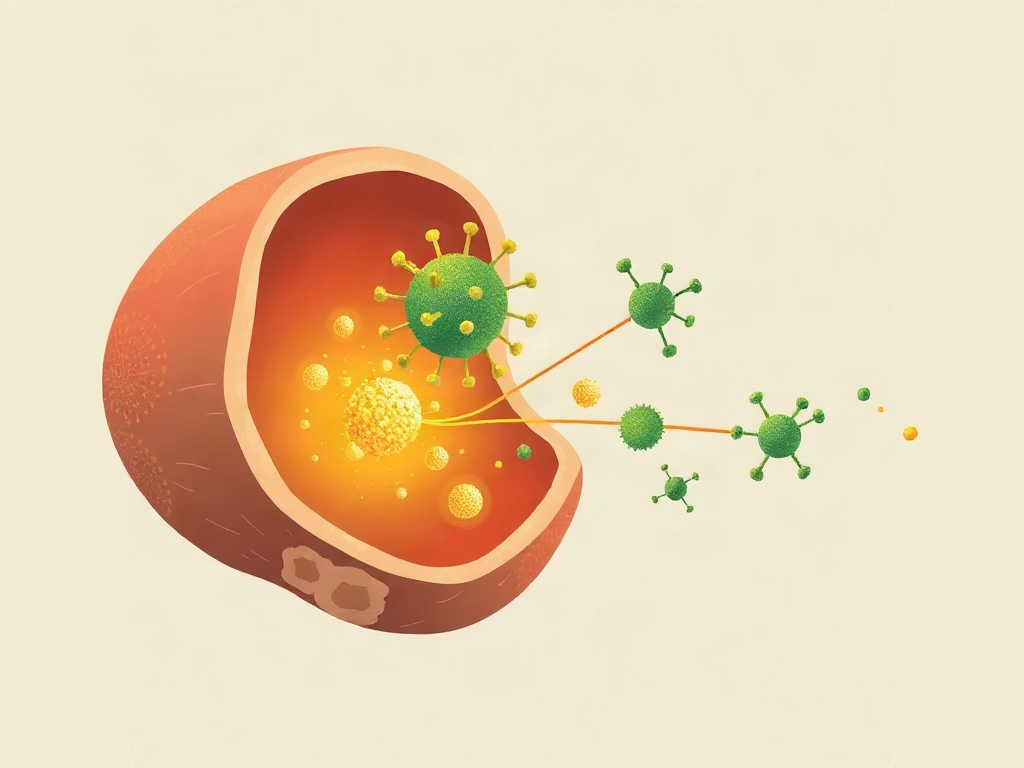
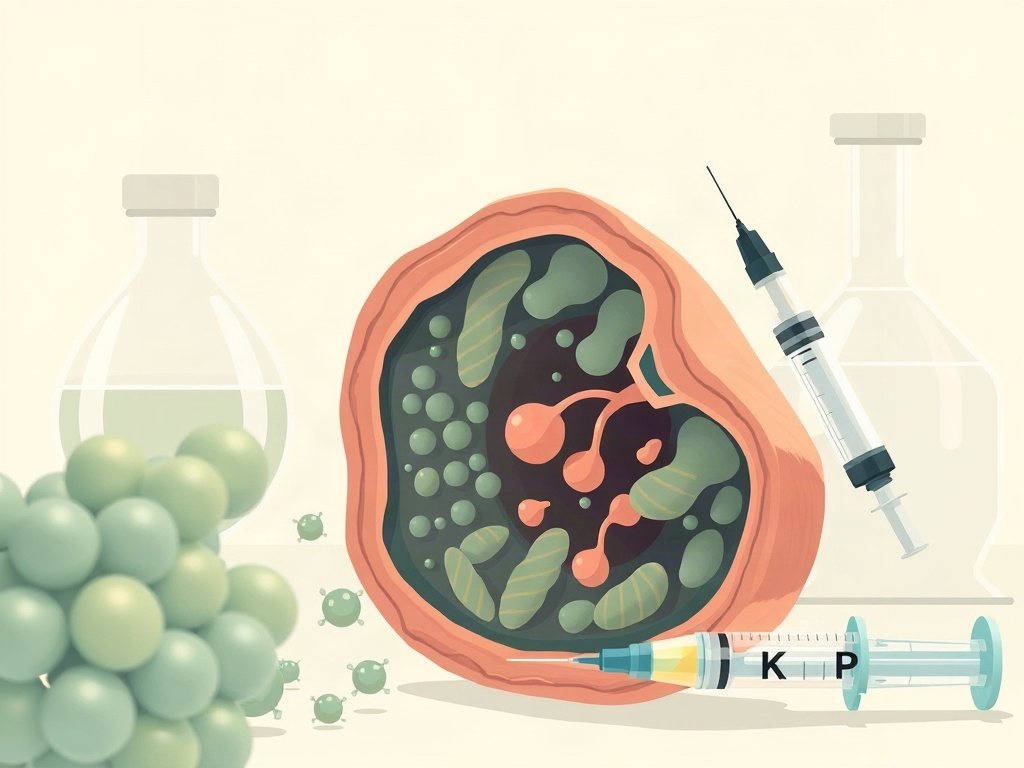
For the estimated millions of cancer survivors living with chemotherapy-related cognitive impairment — colloquially called 'chemo brain' — the absence of approved pharmacological interventions represents a significant unmet need. A new preclinical study points to catalpol, an iridoid glycoside derived from the root of Rehmannia glutinosa, as a candidate worth serious attention, particularly because it targets two well-characterized synaptic proteins whose decline correlates with cognitive dysfunction.
Using an adult mouse model of doxorubicin-induced cognitive impairment, researchers administered oral catalpol at 50 mg/kg — delivered both via drinking water and daily injections for the first six days — over a one-month window following completion of a four-week chemotherapy protocol. Treated animals demonstrated significant improvements in cognitive performance compared to doxorubicin-exposed controls. The mechanistic footprint centered on two synaptic scaffolding proteins: postsynaptic density protein 95 (PSD-95), which anchors glutamate receptors at excitatory synapses, and dynamin-1, a GTPase critical for synaptic vesicle endocytosis and neurotransmitter recycling. Catalpol treatment also attenuated neuroinflammatory markers, consistent with reduced microglial activation. Notably, the team's own prior human observational data showed depressed plasma dynamin-1 levels in breast cancer patients undergoing active chemotherapy, providing a translational bridge between the animal findings and clinical reality.
This research carries meaningful context. Catalpol has accumulated a modest but growing preclinical literature across Alzheimer's, ischemic stroke, and diabetic neuropathy models, consistently showing synaptoprotective and anti-inflammatory activity. That convergence lends some biological plausibility to the current findings. However, several important caveats temper enthusiasm. The work is exclusively conducted in rodents — species whose neuroinflammatory responses and cognitive architectures differ substantially from humans. Dosing at 50 mg/kg does not translate directly to human-equivalent doses, and long-term tolerability data in this context are absent. The study also does not address whether catalpol interferes with doxorubicin's antitumor efficacy, a critical safety question before any oncology application. This remains an early-stage, incremental contribution — compelling in mechanism but requiring human trial validation before practical implications can be drawn.