For anyone tracking the intersection of synthetic biology, nutrigenomics, and future nutrition, this finding quietly reshapes how scientists understand carbon fixation in photosynthetic microorganisms — and opens an unexpected door toward engineering algae-derived nutrient sources with dramatically higher lipid and carbohydrate yields. The practical stakes include everything from algae-based omega-3 supplements to next-generation carbon capture biotechnology.
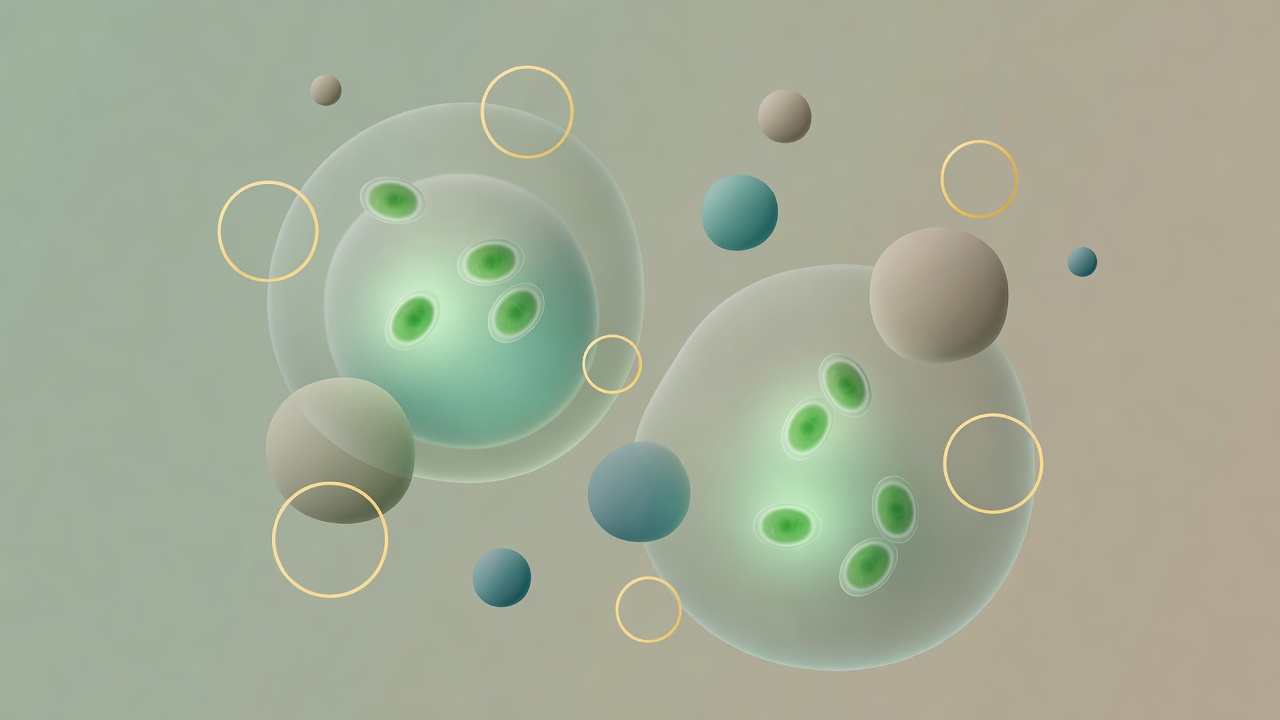
When microalgae live inside a heterotrophic host rather than free in the water column, their photosynthetic productivity and intracellular carbon storage — both in lipid and sugar forms — increase substantially. The PNAS study dissected this symbiotic enhancement, finding that the host cellular environment actively modifies how intracellular algae partition photosynthetically fixed carbon, favoring accumulation of energy-dense reserves rather than immediate metabolic consumption. The researchers quantified both photosynthetic output and carbon storage density, demonstrating that this is not merely a passive cohabitation but a metabolically active reconfiguration driven by host-symbiont signaling.
This finding carries real weight because the algae biotechnology industry has spent decades trying to coax microalgae into overproducing lipids and sugars under stress conditions — typically nitrogen starvation or high light — at significant cost to growth rates. What this symbiosis research reveals is that a biological host context may accomplish similar or superior metabolic reprogramming through molecular crosstalk rather than brute-force stress. That is a meaningful conceptual shift. However, several limitations demand caution: the study is fundamental biology, not applied biotechnology; the specific signaling molecules mediating the host effect remain incompletely characterized; and extrapolation to scalable algae cultivation is still speculative. For longevity-focused readers, the most relevant downstream implication is that symbiosis-inspired metabolic engineering could eventually yield more nutrient-dense, sustainably produced algae oils and polysaccharides — but that application horizon remains years away. Consider this incremental but directionally important basic science.