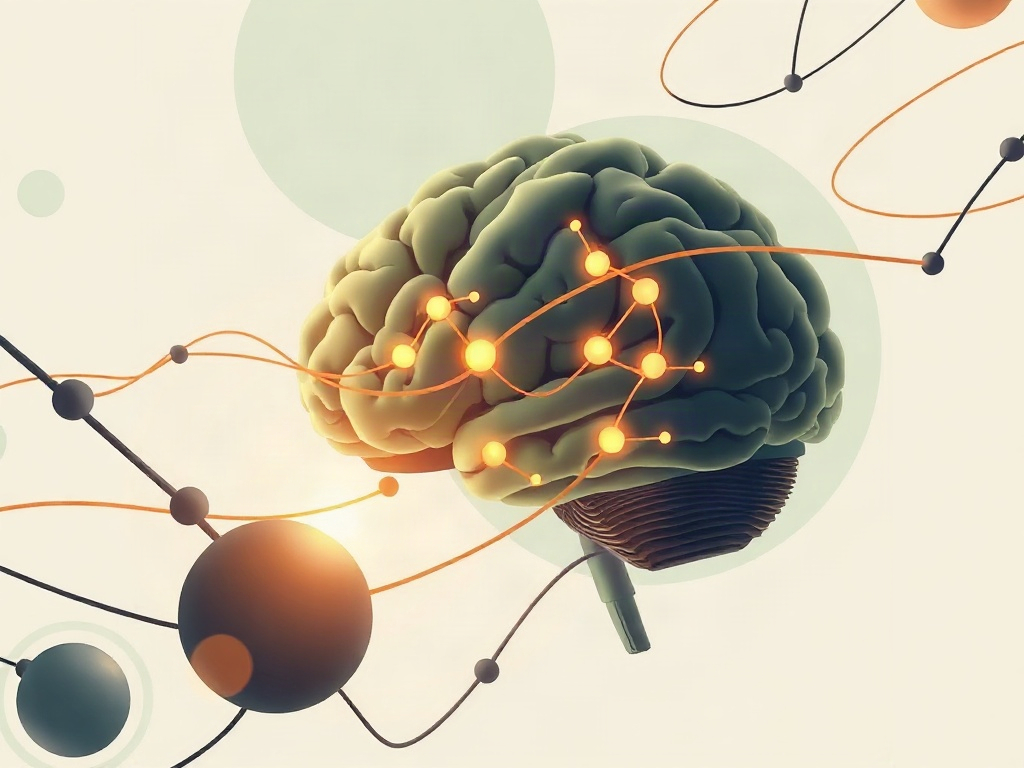
Movement disorders that rob millions of their mobility may soon face a more sophisticated therapeutic approach. Traditional deep brain stimulation delivers constant electrical pulses regardless of what patients are doing, but this breakthrough demonstrates how real-time neural feedback can create personalized stimulation patterns that respond to actual movement needs. The research team developed neural decoding algorithms that interpret the brain's natural locomotor signals, allowing stimulation devices to adjust their output based on whether patients are walking, turning, or standing still. This activity-dependent approach showed measurable improvements in gait parameters compared to conventional constant stimulation in Parkinson's patients. The system reads neural activity patterns associated with different phases of movement and modulates stimulation intensity accordingly, essentially creating a brain-responsive pacemaker for motor function. This represents a significant advancement from the current one-size-fits-all approach to deep brain stimulation. The technology addresses a critical limitation in Parkinson's treatment, where patients often struggle with freezing episodes and irregular gait patterns that don't respond well to static stimulation protocols. However, the complexity of real-time neural decoding raises questions about long-term device reliability and the need for periodic recalibration as disease progression alters brain activity patterns. While promising, this adaptive approach will require extensive validation across diverse patient populations and disease stages. The findings suggest we're moving toward truly personalized neurological interventions, though the computational demands and potential for device malfunction represent important considerations for clinical implementation.
Neural Decoding Algorithms Enable Adaptive Brain Stimulation for Parkinson's Gait

Primary reference: Nature Medicine · View source ↗
Informational, non-clinical synthesis informed by published research. Not a clinical guideline or medical advice. May contain errors or editorial interpretation. Consult the original source and your physician.