Walking safely becomes increasingly challenging for people with Parkinson's disease as the condition progresses, with falls representing one of the most feared complications that can accelerate functional decline and reduce quality of life. This breakthrough suggests that precisely timed brain stimulation could transform how we address one of Parkinson's most disabling symptoms.
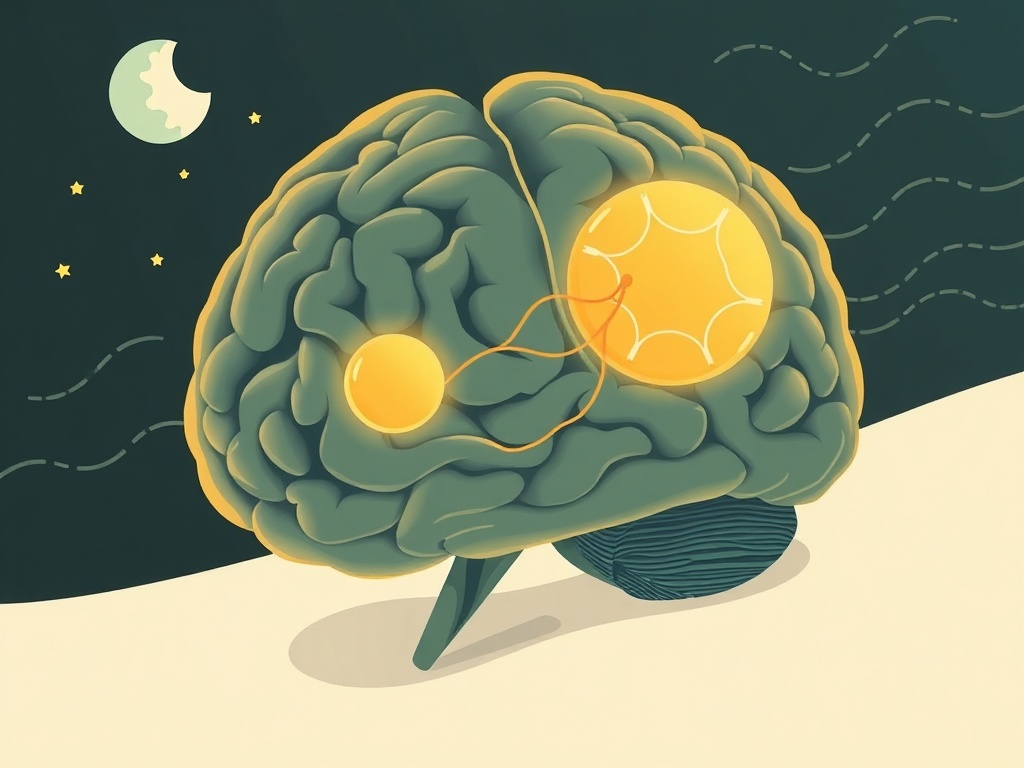
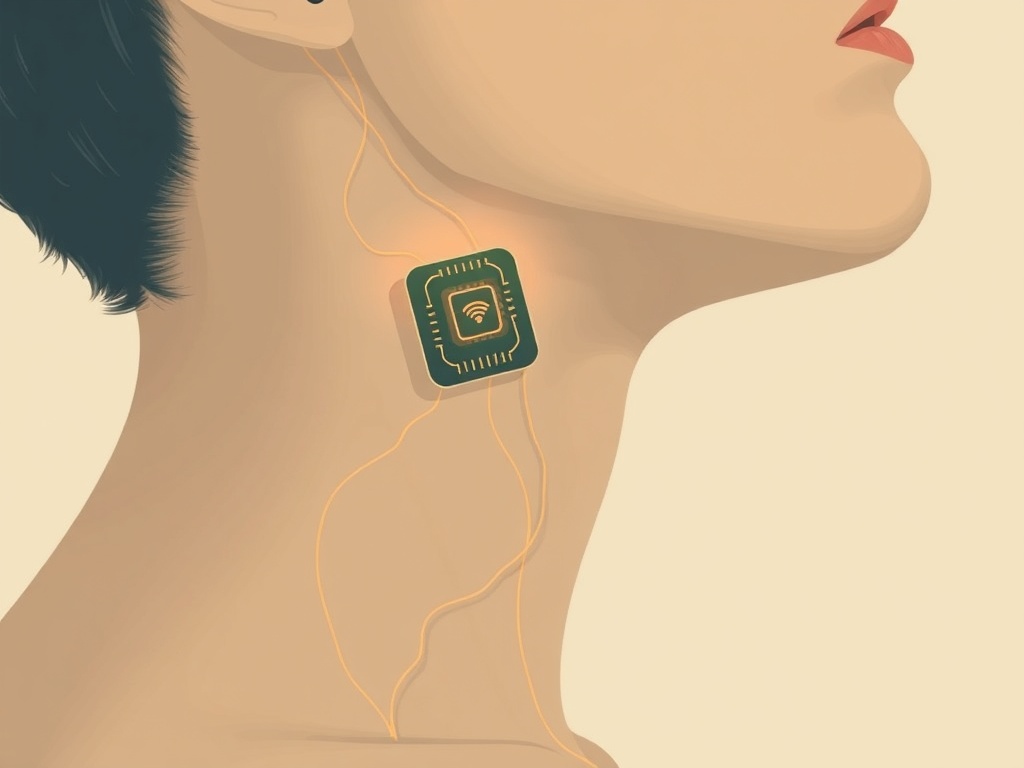
Researchers developed an adaptive deep brain stimulation system that synchronizes electrical pulses with specific phases of a patient's walking cycle, rather than delivering continuous stimulation to the subthalamic nucleus. The randomized crossover trial demonstrated that this gait-phase-synchronized approach reduced falls by approximately 40% compared to standard continuous stimulation protocols. Twenty-four Parkinson's patients with existing deep brain stimulation implants participated in the study, wearing motion sensors that enabled real-time detection of gait phases to trigger appropriately timed stimulation bursts.
This represents a significant evolution beyond static deep brain stimulation toward truly personalized neurological interventions. Traditional continuous stimulation often provides inconsistent benefits for gait and balance, sometimes even worsening certain movement aspects. The adaptive approach addresses this limitation by delivering therapeutic pulses only when motor circuits require support during critical walking phases. However, the technology remains in early stages, requiring sophisticated sensors and algorithms that may limit immediate clinical translation. The study's relatively short observation periods also leave questions about long-term efficacy and device durability. Still, for the millions living with Parkinson's disease, this precision approach to brain stimulation offers genuine hope for maintaining mobility and independence as the condition advances.