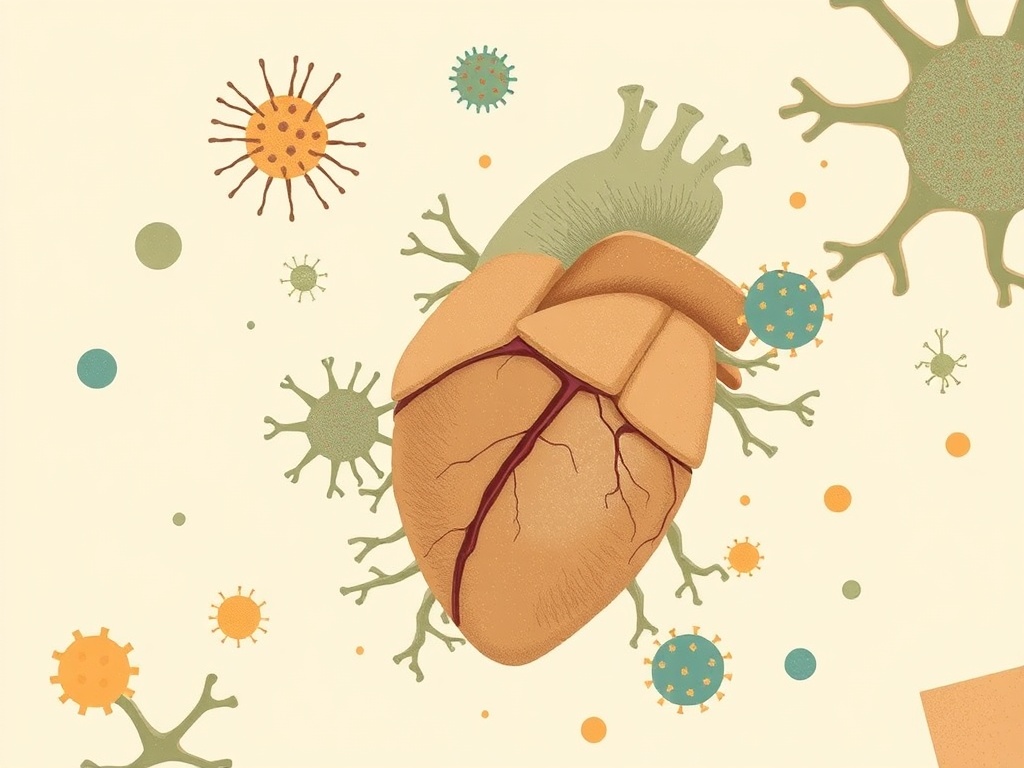
Bacterial extracellular vesicles (BEVs) — nanoscale packages secreted by gut bacteria — carry inflammatory cargo including proteins, lipids, and pathogen-associated molecular patterns that activate host immune receptors. These vesicles penetrate intestinal barriers, circulate systemically, and accumulate in heart and metabolic tissues where they disrupt insulin sensitivity and organ function. This represents a paradigm shift in understanding how gut microbiota influence distant organs. Rather than relying solely on metabolites or direct bacterial translocation, dysbiotic microbes deploy these molecular Trojan horses to systemically propagate inflammation. The implications are profound for cardiovascular and metabolic health — BEVs may explain the mechanistic link between gut dysbiosis and conditions like diabetes, atherosclerosis, and metabolic syndrome. This finding suggests that restoring gut barrier integrity and targeting specific bacterial vesicle production could become novel therapeutic strategies. However, this is a review synthesizing existing evidence rather than presenting new experimental data, and the field still needs robust human studies quantifying BEV levels in disease states. The concept positions BEVs as both potential diagnostic biomarkers and therapeutic targets, opening new avenues for precision microbiome interventions.
Gut Bacterial Vesicles Cross Intestinal Barriers, Trigger Systemic Inflammation
Primary reference: Gut microbes · View source ↗
Informational, non-clinical synthesis informed by published research. Not a clinical guideline or medical advice. May contain errors or editorial interpretation. Consult the original source and your physician.