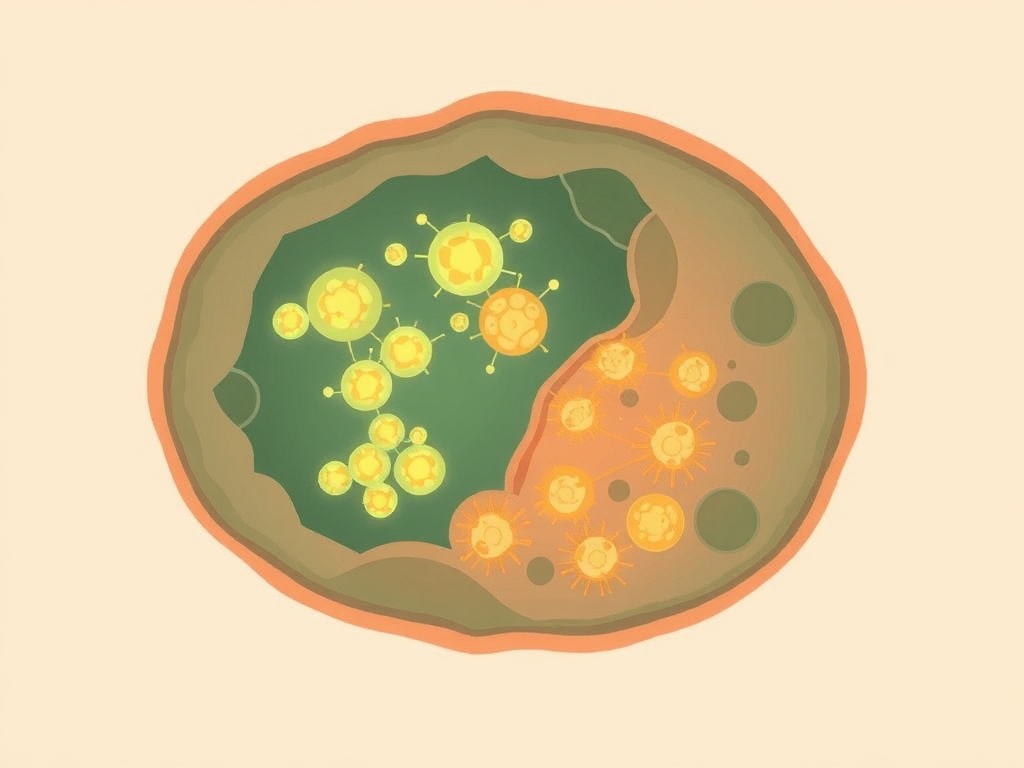
Caloric restriction directly rejuvenates aging adult stem cells across blood, intestine, brain, and muscle tissues by targeting both the stem cells themselves and their surrounding microenvironments. The intervention works primarily through the mTOR (mammalian target of rapamycin) pathway, a central nutrient-sensing network that governs cellular growth and metabolism. This comprehensive review synthesizes evidence showing how CR restores the regenerative capacity of aged stem cells, which normally decline with age and contribute to tissue dysfunction. The stem cell rejuvenation represents a fundamental mechanism underlying CR's well-documented anti-aging effects. This finding bridges decades of longevity research with regenerative medicine, suggesting that metabolic interventions can reverse cellular aging at the stem cell level rather than merely slowing it. The practical implications are significant since stem cell dysfunction drives many age-related diseases including immune decline, muscle wasting, and cognitive deterioration. However, the challenge remains translating severe caloric restriction into sustainable human interventions. The authors' discussion of caloric restriction mimetics offers a promising path forward, potentially delivering stem cell benefits without the adherence difficulties of long-term food restriction. This represents confirmatory but important evidence consolidating our understanding of how metabolic interventions target fundamental aging processes.
Caloric Restriction Rejuvenates Aging Stem Cells via mTOR Pathway

Primary reference: Ageing research reviews · View source ↗
Informational, non-clinical synthesis informed by published research. Not a clinical guideline or medical advice. May contain errors or editorial interpretation. Consult the original source and your physician.