Cardiovascular disease remains the leading cause of death globally, yet the intricate cellular communication driving arterial plaque formation has only recently come into focus. This comprehensive analysis reveals how microscopic packages called extracellular vesicles orchestrate the complex pathological cascade from healthy arteries to life-threatening blockages.
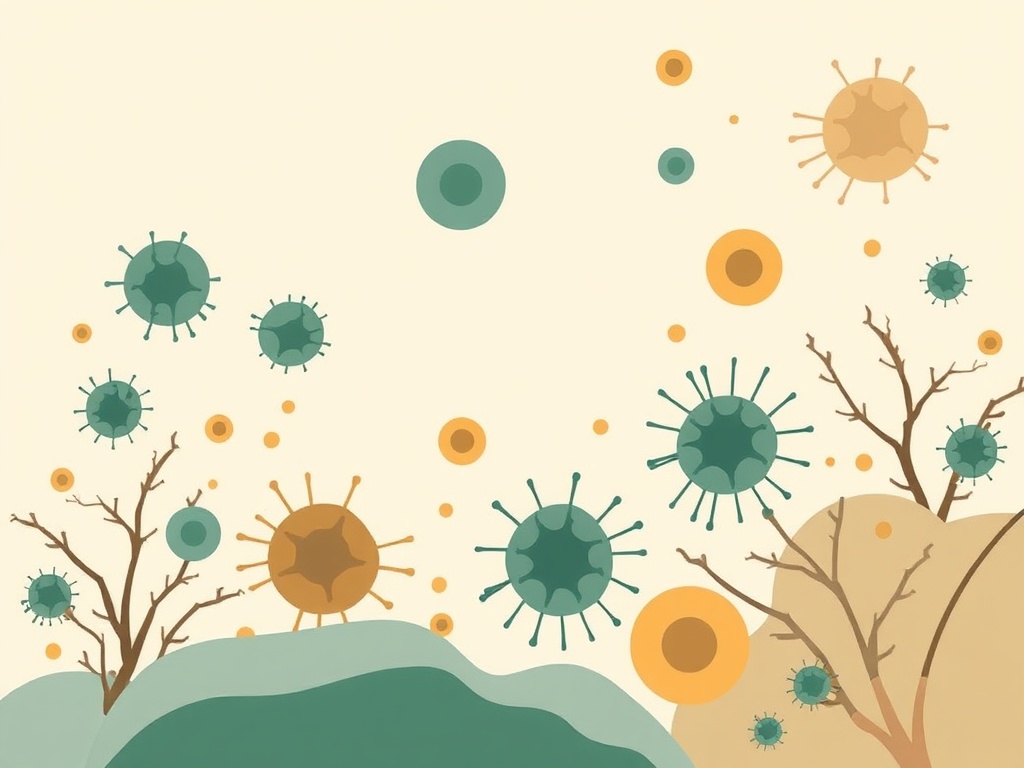
The research demonstrates that these vesicles function as sophisticated molecular messengers, carrying inflammatory proteins, regulatory microRNAs, and bioactive lipids between different cell types within arterial walls. Endothelial cells release vesicles that impair vessel function and attract immune cells, while platelet-derived vesicles amplify inflammatory responses and promote blood clotting. As plaques mature, vesicles facilitate the transformation of smooth muscle cells into bone-like tissue and convert immune cells into cholesterol-laden foam cells that destabilize arterial walls.
This vesicle-mediated communication represents a paradigm shift in understanding atherosclerosis progression. Rather than viewing plaque formation as a simple accumulation of cholesterol, the evidence points to a highly coordinated intercellular network where vesicles actively transport calcification-inducing factors and matrix-remodeling enzymes. The discovery that these vesicles serve as nucleation sites for calcium deposits explains why arterial calcification accelerates in advanced disease. For longevity-focused individuals, this mechanistic understanding suggests that therapeutic approaches targeting vesicle production or cargo could potentially interrupt the atherosclerotic process at multiple stages, offering more precise interventions than current broad-spectrum treatments.