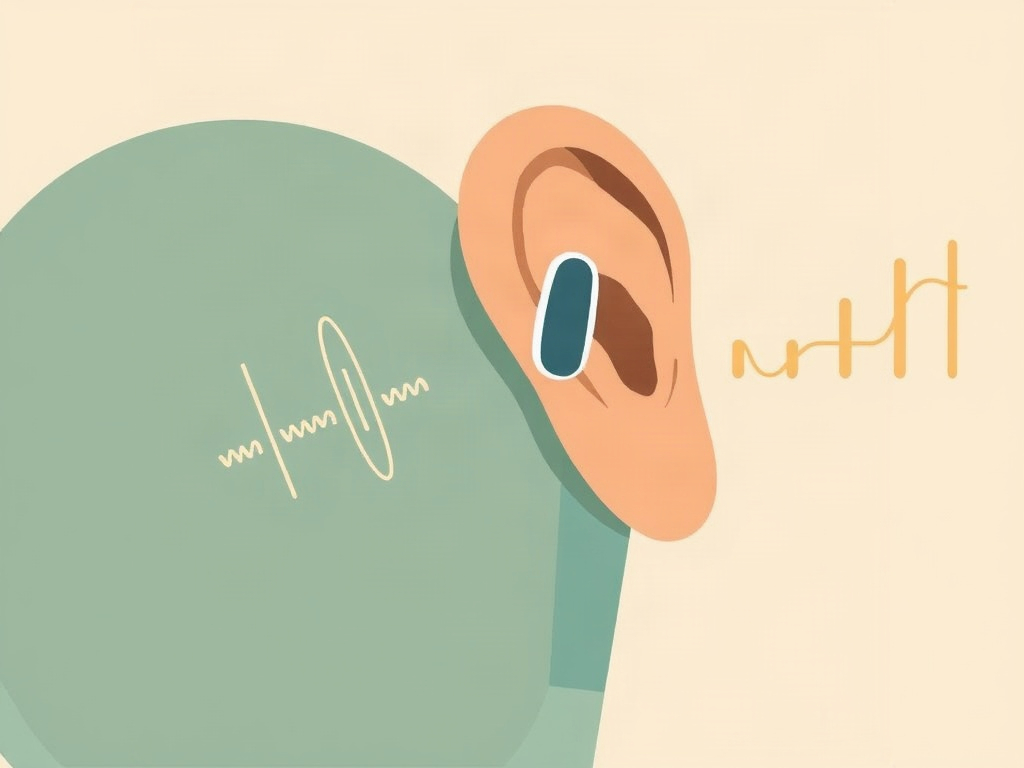
Heart failure prevention could gain a powerful new tool through the manipulation of cellular RNA fragments that naturally regulate aging pathways. Traditional approaches focus on direct SIRT1 activation, but this discovery reveals how the body's own RNA architecture might be repurposed for cardiac protection. Researchers identified S1UTRSP5, a short RNA sequence derived from the SLIT1 gene's untranslated region, that demonstrates remarkable ability to enhance SIRT1 activity in mouse models of cardiac remodeling. The RNA fragment appears to work by stabilizing SIRT1 protein function, leading to measurable improvements in heart muscle structure and function following injury. SIRT1, a longevity-associated enzyme, plays crucial roles in cellular stress response and metabolic regulation, making it a prime target for age-related cardiac dysfunction. This research represents a significant departure from conventional small molecule SIRT1 activators, which often face challenges with specificity and bioavailability. The RNA-based approach could offer more precise control over SIRT1 activity while leveraging the body's existing regulatory networks. However, several critical limitations temper the immediate clinical promise. The study was conducted exclusively in mouse models, and cardiac remodeling mechanisms can differ substantially between species. Additionally, the delivery and stability of therapeutic RNA fragments in human patients remains a major hurdle for translation. The specificity of S1UTRSP5's effects also requires validation - SIRT1 influences numerous cellular pathways beyond cardiac function. While this finding adds important mechanistic insight into RNA-mediated longevity pathways, the leap from mouse cardiac protection to human heart failure therapy will require extensive additional research addressing delivery, dosing, and long-term safety considerations.
Novel RNA Fragment Enhances SIRT1 Activity to Mitigate Cardiac Remodeling in Mice
Primary reference: Acta Pharmacologica Sinica · View source ↗
Informational, non-clinical synthesis informed by published research. Not a clinical guideline or medical advice. May contain errors or editorial interpretation. Consult the original source and your physician.