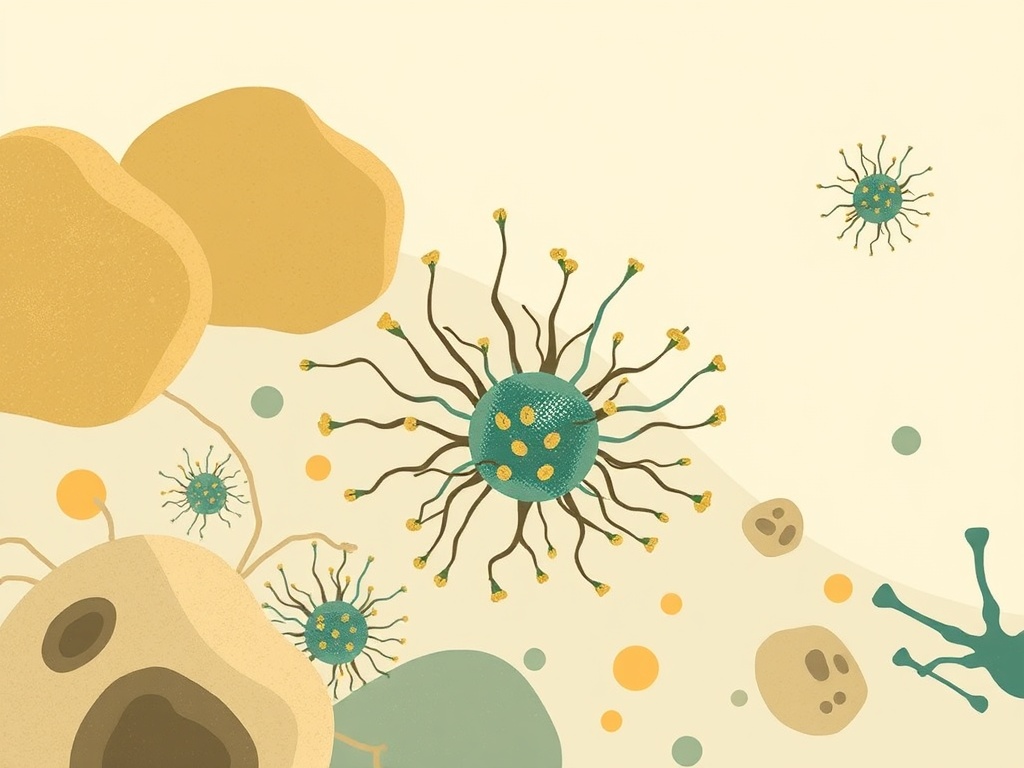
Why do some centenarians maintain sharp minds despite brains riddled with Alzheimer's pathology while others succumb to dementia decades earlier? This fundamental puzzle in aging research may finally have molecular answers that could reshape therapeutic approaches to cognitive decline. Advanced spatial transcriptomics analysis of brain tissue from cognitively resilient centenarians and typical octogenarians has identified critical gene expression patterns in microglia—the brain's resident immune cells—that appear to determine whether accumulated amyloid plaques and tau tangles translate into cognitive symptoms. The research pinpointed specific transcriptional signatures in tissue domains immediately surrounding pathological deposits that differentiate early, asymptomatic disease stages from later phases marked by cognitive deterioration. These molecular fingerprints suggest microglia undergo distinct activation states that either contain neurological damage or amplify it into clinical dementia. The findings illuminate a previously hidden biological checkpoint where Alzheimer's pathology either remains dormant or progresses to symptomatic disease. This represents a significant advance beyond traditional approaches that focus solely on clearing amyloid or tau proteins. Understanding microglial gene expression patterns could enable identification of individuals at highest risk for cognitive decline before symptoms appear, potentially years or decades in advance. The research also suggests therapeutic targets for maintaining the protective microglial state observed in resilient centenarians. However, translating these insights into clinical interventions remains challenging, as microglial responses likely involve complex networks of genes rather than single targets amenable to drug development. The work underscores how individual variation in neuroinflammatory responses, rather than simple pathology burden, may ultimately determine cognitive fate in aging.
Brain's Immune Cells Hold Key to Cognitive Resilience in Alzheimer's
Primary reference: Nature Medicine · View source ↗
Informational, non-clinical synthesis informed by published research. Not a clinical guideline or medical advice. May contain errors or editorial interpretation. Consult the original source and your physician.