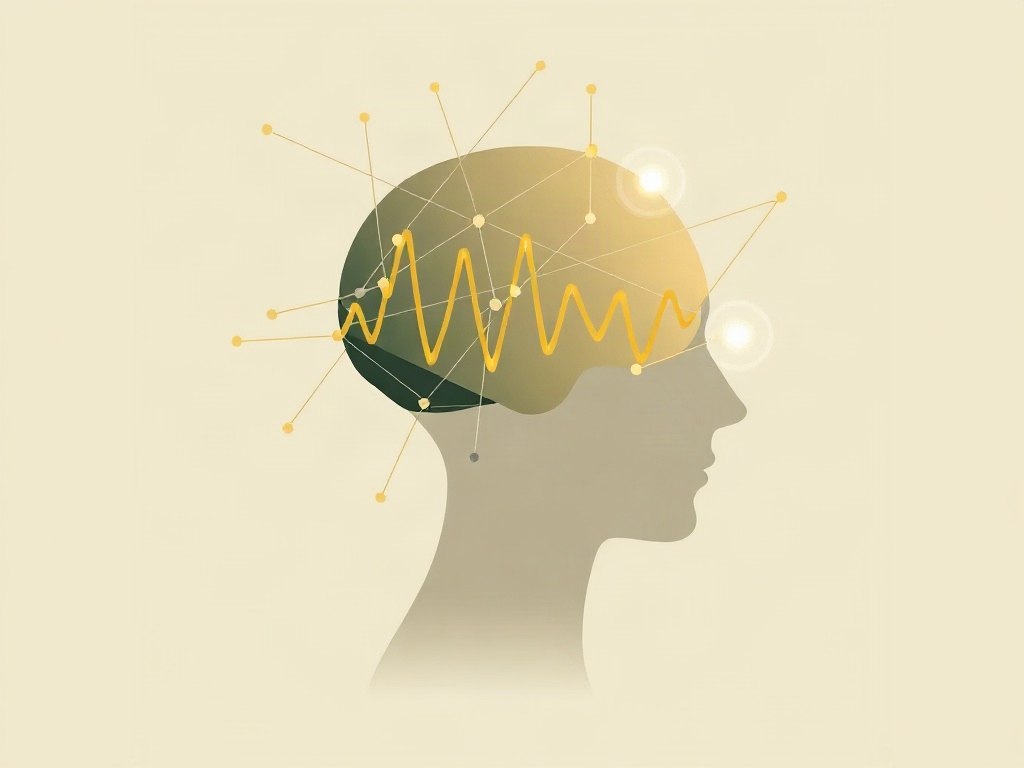
The mysterious healing power of artistic expression may operate through the same neural pathways as psychiatric medications, suggesting untapped therapeutic potential in creative interventions. This convergence challenges the traditional separation between pharmaceutical and artistic healing modalities. Clinical analysis of the poem "Mechanism of Action" reveals striking parallels between how antidepressants and poetry both cross the blood-brain barrier to influence neural circuitry, despite neither mechanism being fully understood. The work highlights how clinicians routinely prescribe psychiatric medications with profound effects on neurotransmitter systems and synaptic plasticity, yet the precise molecular targets remain elusive even for widely-used treatments. Poetry appears to engage similar neural remodeling processes, potentially strengthening synaptic connections and altering thought patterns through what the analysis describes as subconscious learning—"the way we learn without language, without knowing we're learning." This parallel suggests both pharmaceutical and poetic interventions may trigger neuroplasticity changes that reshape emotional responses and behavioral patterns over time. The implications extend beyond literary analysis into practical mental health applications. If poetry and other art forms activate therapeutic neural pathways comparable to psychiatric drugs, this could inform integrated treatment approaches combining pharmacological and creative therapies. However, the research remains in early stages, lacking the rigorous clinical trials that validate pharmaceutical interventions. The comparison also raises questions about placebo effects versus genuine neurobiological changes in both domains. This intersection of neuroscience and humanities represents an emerging field where artistic expression might complement or potentially enhance traditional psychiatric treatment protocols.
Poetry and Psychiatric Drugs Share Unknown Neural Healing Mechanisms
Primary reference: JAMA Network · View source ↗
Informational, non-clinical synthesis informed by published research. Not a clinical guideline or medical advice. May contain errors or editorial interpretation. Consult the original source and your physician.