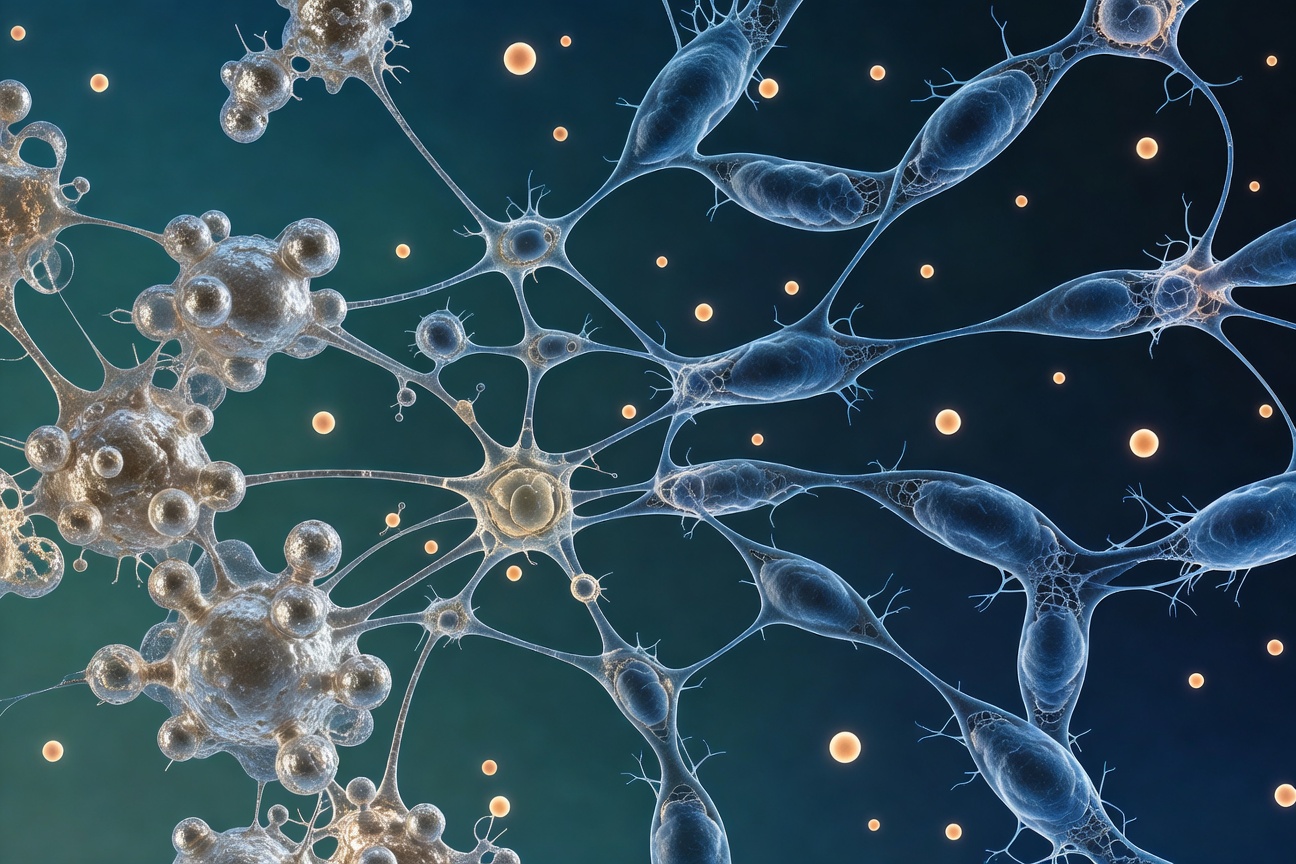
Specific microbial metabolites—short-chain fatty acids, bile acids, and trimethylamine-N-oxide—directly influence blood-brain barrier integrity and amyloid-β accumulation in Alzheimer's disease. The analysis identifies genetic variants like APOE ε4, TREM2, and CD33 as modulators of both microbial composition and susceptibility to metabolite-driven neurodegeneration. This represents a paradigm shift toward viewing Alzheimer's as potentially a systemic metabolic disorder rather than purely a brain disease. The gut-brain axis emerges as a two-way highway where microbial dysbiosis may initiate neurodegeneration through compromised barrier function, while brain pathology reciprocally alters gut ecology. For aging adults, this opens unprecedented therapeutic avenues through dietary intervention, targeted probiotics, and even fecal transplantation—strategies that could modify disease trajectory before irreversible brain damage occurs. However, the field faces critical challenges in determining causality versus correlation, standardizing interventions across diverse microbial populations, and accounting for vast inter-individual genetic and ecological variability. The proposed 'metabolite tipping-point' framework suggests precision medicine approaches could identify optimal intervention windows based on individual genetic and microbial profiles.
Gut Microbiome Metabolites TMAO, SCFAs Drive Alzheimer's Pathology Through BBB
📄 Based on research published in Current neuropharmacology
Read the original paper →For informational, non-clinical use. Synthesized analysis of published research — may contain errors. Not medical advice. Consult original sources and your physician.