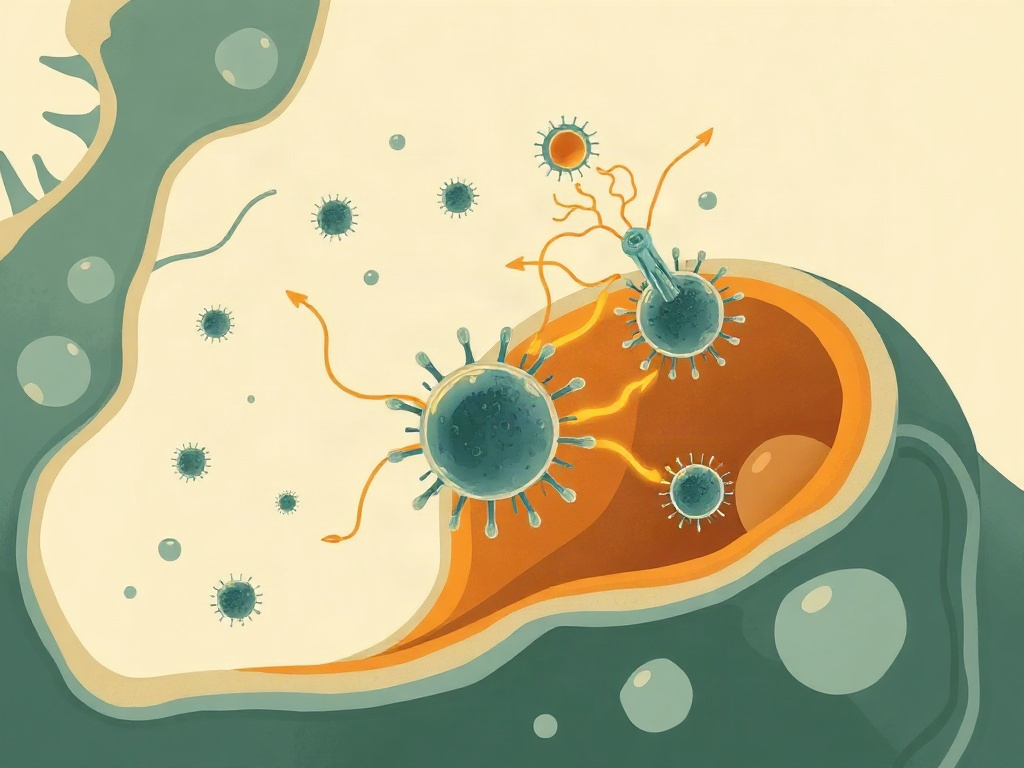
Fecal microbiota transplants from elderly women with both Alzheimer's disease and type 2 diabetes produced the most severe gut-brain axis disruption when transferred to healthy male mice. The comorbid microbiota showed greatest dysbiosis with pro-inflammatory bacterial enrichment, depletion of butyrate-producing genera, and loss of neuroprotective metabolic pathways. Recipients diverged most dramatically from controls (R² = 0.209) and exhibited suppressed hippocampal neurotrophic gene expression alongside reduced olfactory discrimination. This mechanistic evidence strengthens the emerging paradigm that gut microbiota serve as active mediators linking metabolic disease to neurodegeneration, rather than passive bystanders. The study's innovative approach of transplanting aged human microbiota reveals how microbial aging signatures themselves may accelerate brain pathology. However, the cross-species translation from elderly female donors to young male mice introduces significant biological variables that complicate direct human application. The findings suggest therapeutic potential for microbiome interventions targeting the intersection of diabetes and dementia, particularly given the depletion of protective flavonoid and lignan biosynthesis pathways. This represents a paradigm-shifting demonstration that diseased microbiomes can actively transmit neurobiological dysfunction across species barriers.
Alzheimer's-Diabetes Microbiota Transplants Suppress Hippocampal Neurotrophic Gene Expression
Primary reference: Aging cell · View source ↗
Informational, non-clinical synthesis informed by published research. Not a clinical guideline or medical advice. May contain errors or editorial interpretation. Consult the original source and your physician.