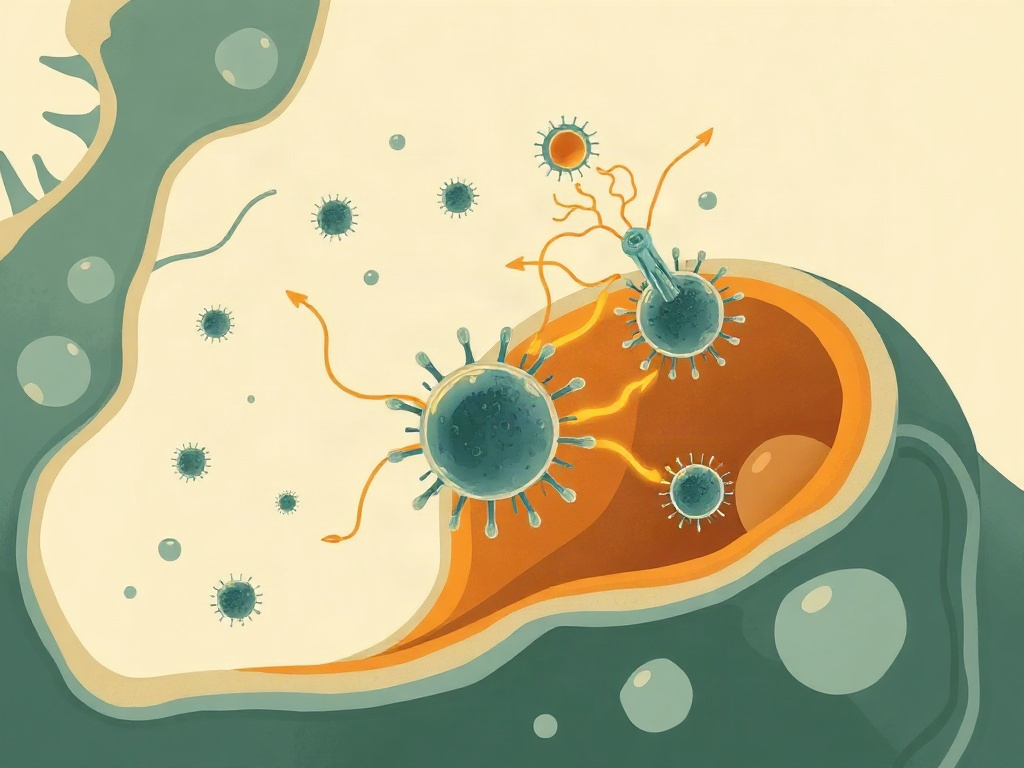
Chronic exposure to enrofloxacin, a veterinary antibiotic commonly found in environmental contamination, accelerates gut aging by damaging mitochondrial function in intestinal cells. The research documented increased intestinal permeability, reduced mucus production, and chronic inflammation following low-dose exposure in both zebrafish models and human epithelial cells. Multi-omics analysis revealed the antibiotic disrupts gut microbiome diversity while triggering intestinal hypoxia and impairing cellular energy production through damaged oxidative phosphorylation pathways. The mitochondrial-targeted antioxidant pyrroloquinoline quinone successfully reversed these aging effects, restoring intestinal barrier integrity and reducing inflammation. Population data from middle-aged and older adults corroborated these findings, showing recent antibiotic use correlated with accelerated biological aging and higher diarrhea risk. This represents a significant paradigm shift in understanding environmental contributors to gut aging beyond traditional dietary and lifestyle factors. The identification of mitochondrial dysfunction as the central mechanism opens new therapeutic avenues, while the protective effects of antioxidant interventions and microbiota-supportive diets offer immediately actionable strategies. Given widespread environmental antibiotic contamination from agricultural runoff, these findings have profound implications for population-level gut health and longevity interventions.
Antibiotic Enrofloxacin Accelerates Gut Aging Through Mitochondrial Damage
Primary reference: Aging cell · View source ↗
Informational, non-clinical synthesis informed by published research. Not a clinical guideline or medical advice. May contain errors or editorial interpretation. Consult the original source and your physician.