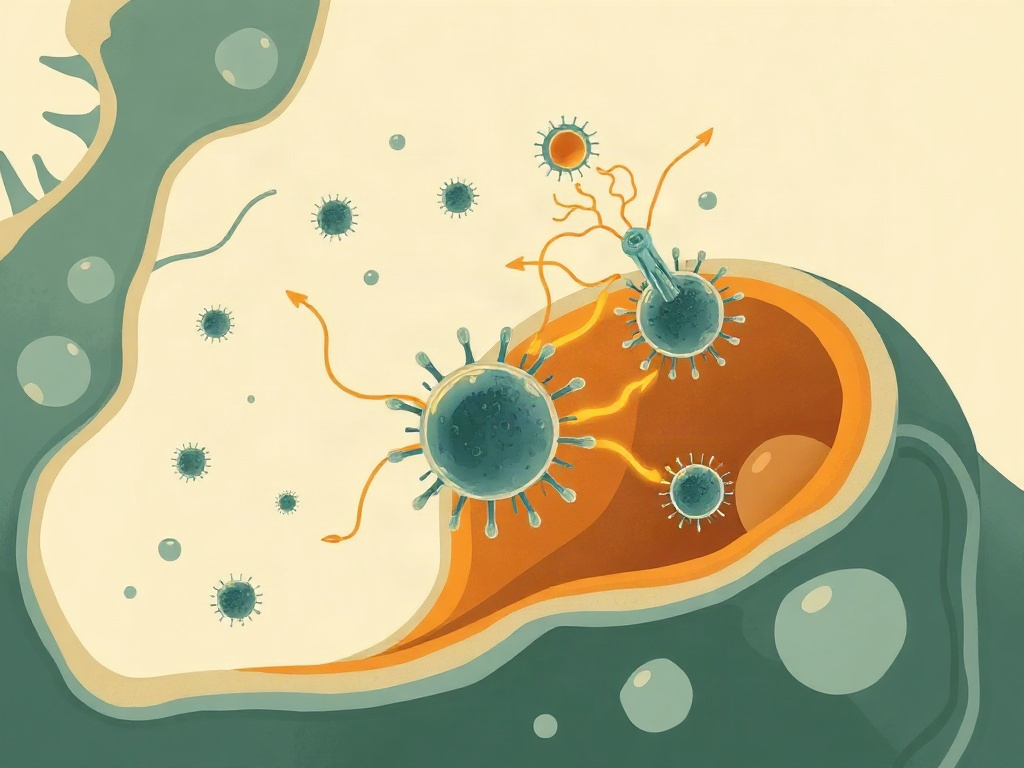
Gene therapy targeting telomeres achieved remarkable cardiac recovery in mouse models of cardio-renal syndrome, where chronic kidney disease drives heart failure. The treatment used AAV9 virus to deliver modified human telomerase reverse transcriptase (modhTERT) specifically to heart cells, successfully recapping shortened telomeres and reversing cardiac dysfunction, hypertrophy, and fibrosis. Crucially, this intervention provided lasting functional restoration rather than mere symptom management, contrasting sharply with conventional beta-blockers that only delayed disease progression. This represents a paradigm-shifting approach to treating cardiovascular complications in kidney disease patients, who face limited therapeutic options and high mortality rates. The therapy's dual benefit of improving both cardiac and kidney function suggests telomere biology plays a central mechanistic role in organ crosstalk during disease. However, significant hurdles remain before clinical translation, including long-term safety concerns about telomerase activation potentially promoting cancer, delivery efficiency to human hearts, and whether benefits observed in mouse models will translate to the complex pathophysiology of human cardio-renal syndrome. The work nonetheless opens an entirely new therapeutic avenue for conditions where cellular aging accelerates organ failure.
Telomerase Gene Therapy Reverses Heart Failure in Kidney Disease Models
Primary reference: Kidney international · View source ↗
Informational, non-clinical synthesis informed by published research. Not a clinical guideline or medical advice. May contain errors or editorial interpretation. Consult the original source and your physician.