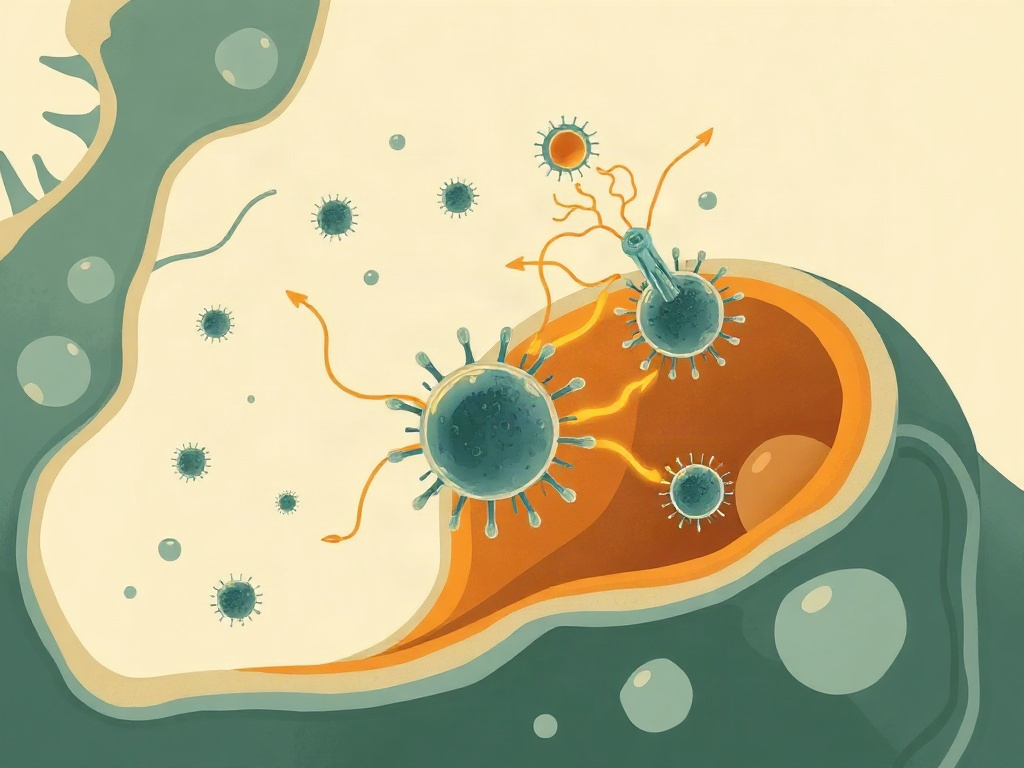
Fisetin supplementation at 100 mg/kg daily reversed age-related blood vessel dysfunction in 27-month-old mice by targeting senescent endothelial cells and reducing CXCL12, a key inflammatory protein in the senescence-associated secretory phenotype (SASP). Single-cell analysis revealed that senescent vessel lining cells produce elevated CXCL12, which impairs nitric oxide production and increases oxidative stress. Fisetin treatment eliminated these harmful cells and normalized circulating CXCL12 levels. This finding represents a significant advance in translating senolytic therapy from laboratory concept to practical cardiovascular intervention. Unlike previous senolytic research focused on broad anti-aging effects, this study pinpoints specific molecular mechanisms linking cellular senescence to the leading cause of death worldwide. The CXCL12 pathway offers a precise therapeutic target, potentially explaining why some individuals maintain healthy arteries despite advanced age. However, the mouse-to-human dose translation remains challenging—the equivalent human dose could exceed 8 grams daily. The intermittent dosing protocol and focus on endothelial-to-mesenchymal transition also suggest fisetin may prevent arterial stiffening through novel mechanisms beyond simple senescent cell clearance.
Fisetin Senolytic Treatment Reverses Age-Related Endothelial Dysfunction Partially Via CXCL12 in Old Mice
Primary reference: Aging cell · View source ↗
Informational, non-clinical synthesis informed by published research. Not a clinical guideline or medical advice. May contain errors or editorial interpretation. Consult the original source and your physician.