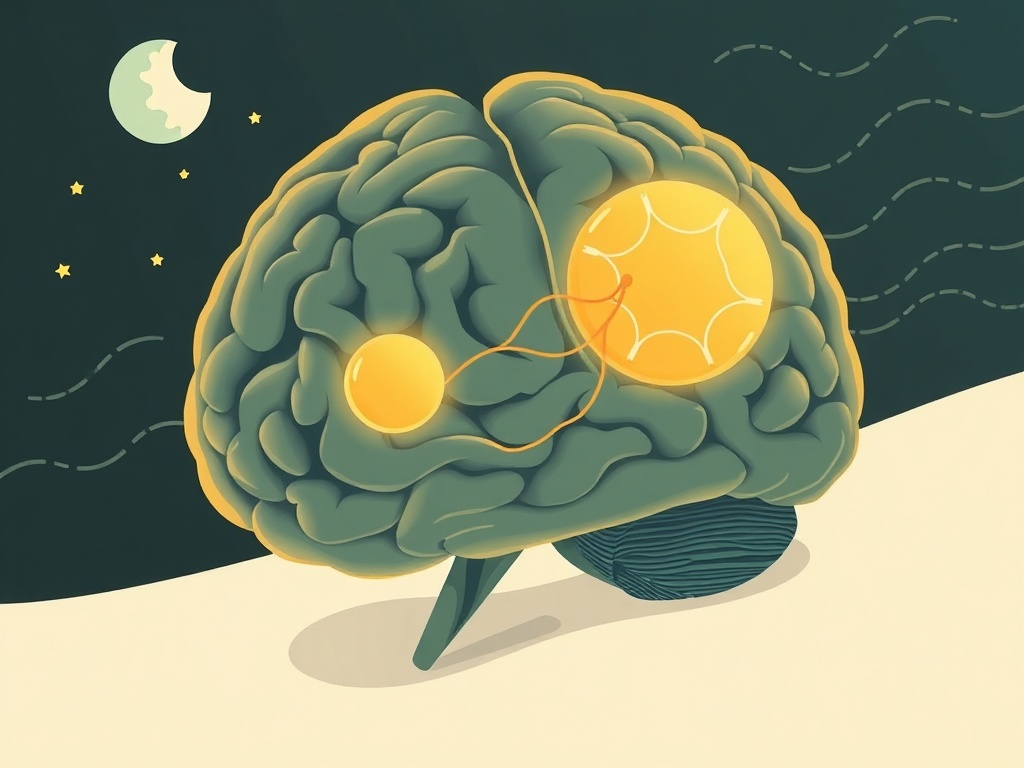
Traditional depression treatments often fail because they don't address a core neurological deficit: impaired reward processing that leaves patients unable to experience pleasure or motivation. This mechanistic gap helps explain why roughly 30% of depression cases resist conventional therapies and why relapse rates remain stubbornly high even after successful treatment.
A head-to-head clinical trial comparing two distinct therapeutic approaches found that positive affect treatment (PAT) significantly outperformed negative affect treatment (NAT) in restoring reward system function. The study enrolled 240 adults across Los Angeles and Dallas with severe anhedonia and treatment-resistant depression or anxiety. After 15 weekly sessions, PAT participants showed measurably greater improvements in self-reported positive affect and interviewer-assessed anhedonia compared to the NAT control group.
This represents a meaningful advance in precision psychiatry, where treatments target specific neural circuits rather than broad symptom clusters. The reward system dysfunction underlying anhedonia involves dopaminergic pathways in the ventral tegmental area and nucleus accumbens—regions that traditional cognitive therapies don't directly engage. By specifically training patients to recognize, anticipate, and savor positive experiences, PAT appears to rehabilitate these compromised neural networks.
The clinical implications extend beyond symptom reduction. Anhedonia strongly predicts suicidality and treatment dropout, making it a critical therapeutic target. However, this single-site study requires replication across diverse populations before PAT can be considered a standard intervention. The durability of these reward system changes also remains unclear, as follow-up data wasn't reported.